
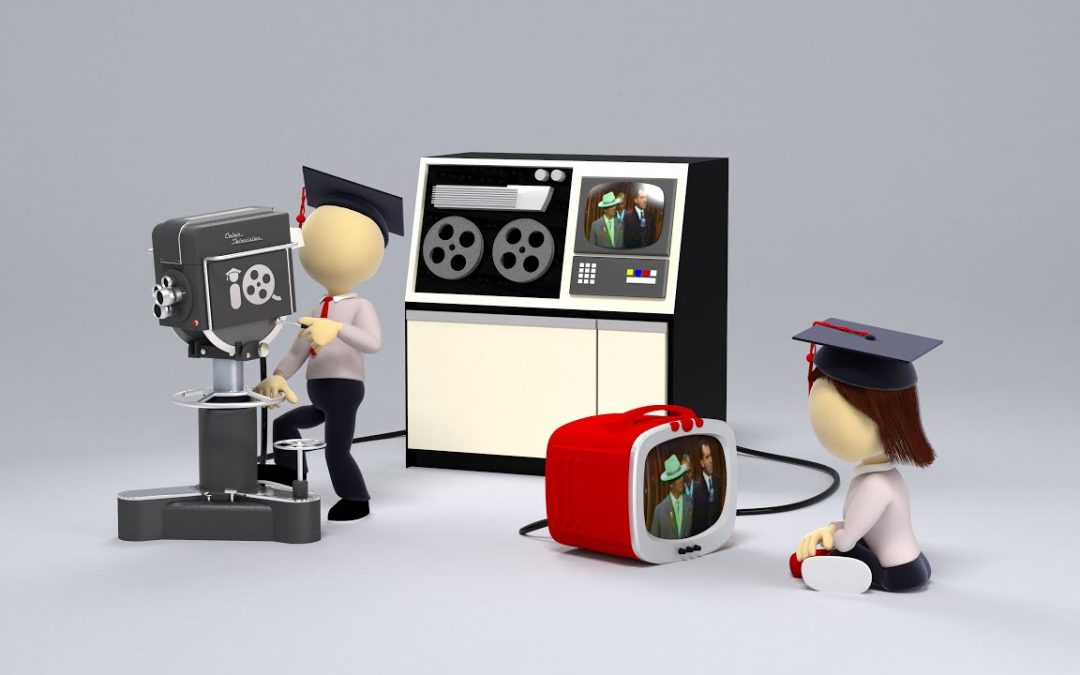
In the ever-evolving world of digital media, nonlinear editing has transformed the way we create and manipulate video content. Behind Nonlinear Editing Explained dives into the innovative techniques and technologies that empower filmmakers and content creators to edit footage in a dynamic, flexible environment. This article uncovers the principles and advantages of nonlinear editing, illustrating how it streamlines the creative process and enhances storytelling. Join us as we explore the pivotal role this editing method plays in shaping modern visual narratives.
What is Nonlinear Editing and how does it work?
Nonlinear Editing (NLE) is a digital video editing method allowing access to any frame in a sequence without the need to follow a linear order, enhancing flexibility and creativity.
What is nonlinear editing, and how does it differ from linear editing?
Nonlinear editing (NLE) is a digital video editing method that allows editors to access any frame in a digital video clip regardless of the sequence in which it was recorded. This contrasts sharply with linear editing, where footage is edited in a sequential manner, requiring the editor to follow the original order of the clips. NLE provides greater flexibility and efficiency, enabling creators to experiment with different arrangements, apply effects, and make real-time adjustments without the limitations imposed by tape-based systems. As a result, nonlinear editing has revolutionized the film and video production landscape, allowing for more creative storytelling and streamlined workflows.
What are the key benefits of using nonlinear editing software for video production?
Nonlinear editing software revolutionizes the video production process by offering unparalleled flexibility and efficiency. Editors can easily manipulate video clips, rearranging scenes without the constraints of linear editing. This allows for a more creative approach, enabling the seamless integration of various elements like audio, graphics, and effects, all in real-time. The ability to work on multiple projects simultaneously and make changes on the fly significantly accelerates the editing workflow, resulting in faster turnaround times for final products.
Additionally, nonlinear editing software provides powerful tools for collaboration and version control, essential for team projects. With features like cloud integration, multiple users can work on the same project from different locations, sharing feedback and making updates effortlessly. The intuitive interface and advanced capabilities, such as color grading and audio mixing, empower editors to achieve professional-quality results that enhance storytelling. Overall, nonlinear editing software elevates the entire video production experience, making it more efficient, collaborative, and creatively fulfilling.
How can beginners get started with nonlinear editing techniques?
Beginners looking to dive into nonlinear editing techniques can start by familiarizing themselves with popular software options like Adobe Premiere Pro, Final Cut Pro, or DaVinci Resolve. These platforms offer user-friendly interfaces and a wealth of online tutorials, making it easier to grasp essential concepts such as timeline navigation, clip organization, and basic effects. Investing time in understanding the workspace and functionalities will lay a strong foundation for more advanced editing skills down the line.
Once comfortable with the software, aspiring editors should practice by working on small projects. This could involve editing short videos, vlogs, or even personal storytelling snippets. Experimenting with different editing styles and techniques, such as transitions, color grading, and audio mixing, will not only enhance technical proficiency but also foster a unique creative voice. Engaging with online communities for feedback and inspiration can further boost confidence and skill development in nonlinear editing.
Unlocking Creativity: A Guide to Nonlinear Editing
In the world of video production, nonlinear editing (NLE) has revolutionized the way creators approach storytelling. By allowing users to access any frame of footage at any time, NLE empowers filmmakers to experiment with their narratives freely, fostering an environment where creativity can flourish without the constraints of traditional linear editing. This dynamic process encourages the exploration of various sequences, enabling editors to refine their vision and craft compelling stories that resonate with audiences. With a plethora of intuitive tools and features at their fingertips, aspiring editors can unlock their full creative potential, transforming raw footage into captivating visual masterpieces.
Streamline Your Workflow: Mastering Nonlinear Techniques
In today’s fast-paced work environment, mastering nonlinear techniques can significantly enhance productivity and creativity. By embracing a non-linear approach, professionals can break free from rigid hierarchies and traditional workflows, allowing for greater flexibility in problem-solving and idea generation. This method encourages collaboration and empowers teams to explore multiple pathways simultaneously, leading to innovative solutions that might otherwise remain undiscovered.
Adopting nonlinear strategies not only makes it easier to adapt to changing circumstances but also fosters a culture of experimentation and continuous improvement. By prioritizing iterative processes over linear timelines, individuals can refine their projects in real time, ensuring that feedback is integrated seamlessly. Ultimately, streamlining your workflow with these techniques not only boosts efficiency but also cultivates a more engaging and dynamic work atmosphere, driving both personal and organizational success.
Editing Unleashed: Transform Your Narrative with Nonlinear Methods
In the world of storytelling, nonlinear editing offers a refreshing departure from traditional narrative structures. By allowing scenes to unfold out of chronological order, creators can weave intricate connections between events, revealing deeper emotional truths and character motivations. This method not only engages the audience in a more dynamic way but also encourages them to piece together the story like a puzzle, fostering a sense of active participation in the narrative journey.
Embracing nonlinear techniques enables storytellers to amplify tension, create unexpected twists, and explore multiple perspectives within a single narrative. By experimenting with time and structure, writers can elevate their stories, adding layers of complexity that resonate with audiences on various levels. This innovative approach transforms the editing process into a powerful tool for crafting compelling narratives that linger in the minds of viewers long after the final scene.
From Chaos to Clarity: Navigating Nonlinear Editing Essentials
In the fast-paced world of digital storytelling, mastering nonlinear editing is essential for transforming raw footage into compelling narratives. By embracing an intuitive interface and leveraging powerful tools, editors can seamlessly organize clips, enhance audio, and weave in effects, all while maintaining creative flow. This dynamic approach not only streamlines the editing process but also empowers creators to experiment and refine their vision. As you navigate through the essential techniques of nonlinear editing, you’ll discover that clarity emerges from chaos, allowing your stories to resonate more deeply with audiences.
Understanding the intricacies behind nonlinear editing transforms the way we approach video production, offering unparalleled flexibility and creative control. As technology continues to evolve, the possibilities for storytelling become limitless, empowering editors to craft compelling narratives with ease. Embracing these tools not only enhances the quality of the final product but also inspires new artistic expressions, making nonlinear editing an essential skill for modern creators.
