
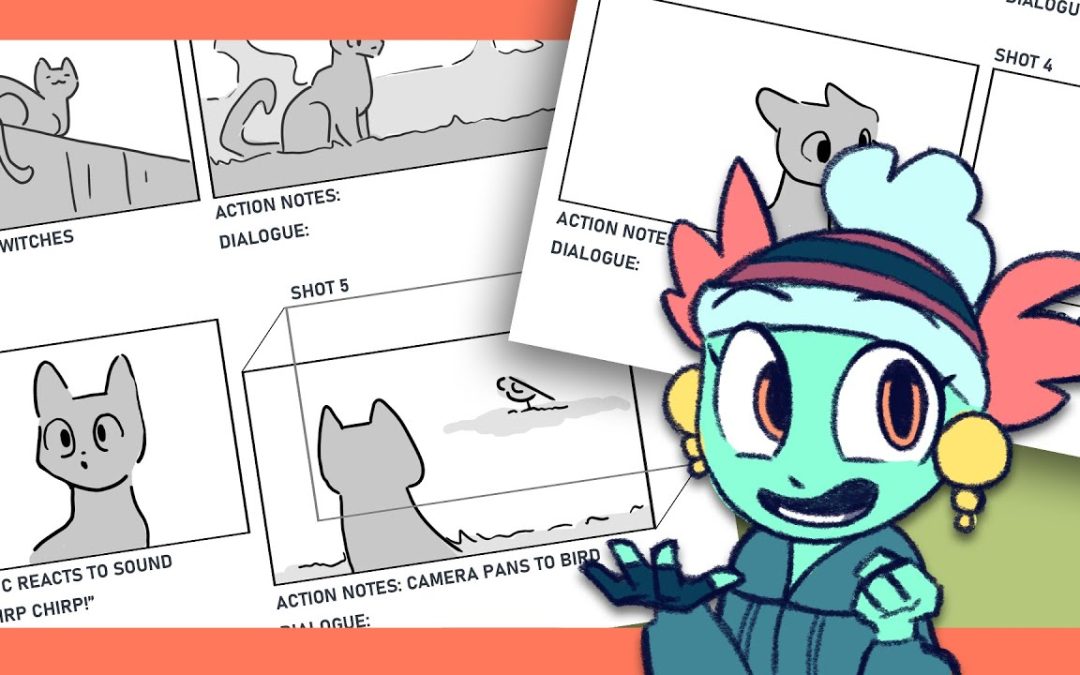
Storyboarding is an essential step in the creative process, whether you’re crafting a film, an animation, or a presentation. Mastering this skill can elevate your storytelling and ensure your vision is clearly communicated. In this article, we’ll explore expert tips for storyboarding like a pro, helping you organize your ideas, visualize your narrative, and enhance collaboration with your team. Dive in to unlock the secrets of effective storyboarding and bring your projects to life with clarity and impact.
What are essential tips for effective storyboarding?
Start with a clear narrative, use simple sketches, focus on key scenes, maintain consistent pacing, and collaborate for feedback to enhance your storyboard’s effectiveness.
- Define Your Vision: Start by outlining your story’s main ideas, themes, and characters to create a clear vision that guides your storyboard.
- Use Thumbnails: Create small, rough sketches (thumbnails) for each scene to visualize the flow of the narrative and make adjustments easily.
- Focus on Composition: Pay attention to framing, angles, and shot types to enhance storytelling; consider how each visual element contributes to the overall mood and message.
- Incorporate Annotations: Add notes for dialogue, sound effects, and camera movements to provide context and clarity, ensuring everyone involved understands the vision.
What are some essential tips for creating effective storyboards?
Creating effective storyboards involves a blend of clarity, organization, and creativity. Start by defining your narrative arc; outline key scenes and transitions to maintain a cohesive flow. Use simple sketches to visualize each frame, emphasizing essential elements like characters and backgrounds without getting bogged down in details. Incorporate annotations for dialogue, sound effects, and camera angles to provide context. Ensure your storyboard is easily readable by maintaining a consistent layout and numbering system. Finally, be open to revisions; feedback can enhance your storyboard’s effectiveness and ultimately strengthen the final product.
How can I improve my visual storytelling skills through storyboarding?
Improving your visual storytelling skills through storyboarding begins with understanding the core elements of your narrative. Start by breaking down your story into key scenes, focusing on the emotions and actions that drive the plot forward. Use simple sketches to visualize each scene, paying attention to composition, framing, and character positioning to enhance the visual flow. This practice not only helps you clarify your ideas but also allows you to experiment with pacing and transitions. Additionally, seek feedback on your storyboards to gain fresh perspectives, and study the work of accomplished storytellers to learn effective techniques that resonate with audiences. By continuously iterating and refining your storyboards, you’ll develop a stronger ability to convey your narrative visually.
Unlock Your Creative Vision with Effective Storyboarding
Storyboarding is a powerful tool that transforms your ideas into a visual narrative, allowing you to unlock your creative vision with clarity and purpose. By mapping out key scenes and sequences, you can visualize your story’s flow, ensuring that every element aligns with your overarching theme. This structured approach not only enhances collaboration among team members but also streamlines the production process, making it easier to identify potential challenges and solutions. Embrace the art of storyboarding to bring your imaginative concepts to life and captivate your audience with a compelling, cohesive story.
Elevate Your Projects: Essential Techniques for Every Storyboarder
To elevate your projects as a storyboarder, mastering a few essential techniques can make all the difference. Start by developing a strong visual narrative; each frame should convey emotion and movement, guiding the viewer’s eye seamlessly through the story. Utilize dynamic compositions and varied perspectives to keep your audience engaged, while paying attention to pacing and rhythm to enhance the overall flow. Experiment with color palettes and character expressions to evoke specific moods, ensuring that every detail aligns with the story’s themes. By honing these skills, you’ll not only create compelling storyboards but also transform your ideas into captivating visual experiences.
From Concept to Screen: Streamline Your Storyboarding Process
Transforming your ideas into captivating visuals begins with a well-structured storyboarding process. By mapping out each scene, you not only clarify your narrative but also enhance communication among your team. This preliminary step allows you to visualize the flow of your story, ensuring that each element contributes meaningfully to the overall message. With a clear storyboard, everyone involved can grasp the vision, leading to a more cohesive production.
To streamline your storyboarding, leverage digital tools that simplify the creation and editing process. These platforms offer intuitive interfaces, allowing you to easily manipulate scenes, characters, and dialogue. Additionally, integrating feedback from collaborators becomes seamless, enabling you to refine your storyboard in real-time. This collaborative approach fosters creativity, as team members can contribute ideas and adjustments, enhancing the final product.
Finally, don’t underestimate the power of iteration in your storyboarding process. Embrace the opportunity to revisit and revise your initial concepts, as this can lead to unexpected breakthroughs. By allowing flexibility and encouraging exploration, you can elevate your story beyond its original concept, ultimately crafting a narrative that resonates deeply with your audience. With a streamlined process in place, you’ll be well on your way to bringing your vision to life on screen.
Visualize Your Narrative: Key Strategies for Impactful Storyboards
Creating an impactful storyboard begins with a clear vision of your narrative, allowing you to visualize the core message you want to convey. Start by breaking down your story into key moments, ensuring each scene serves a purpose and advances the plot. Utilize visual elements like color, composition, and character design to evoke the desired emotions and maintain viewer engagement. Additionally, incorporate dynamic transitions and pacing to enhance the flow, guiding the audience seamlessly from one scene to the next. By strategically combining these elements, you can craft a compelling storyboard that resonates with your audience and effectively communicates your narrative’s essence.
Mastering the art of storyboarding transforms ideas into captivating visual narratives. By implementing these tips, you can streamline your creative process, enhance collaboration, and ensure your story resonates with its audience. Embrace the power of storyboarding, and watch your concepts come to life with clarity and impact.
