
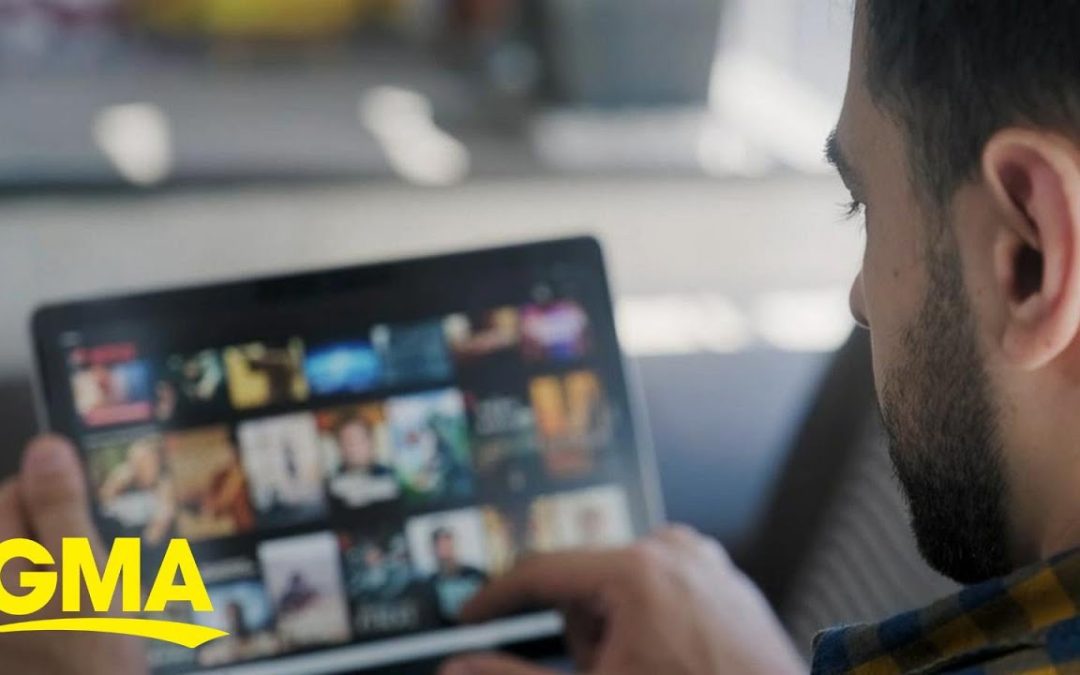
As the film industry evolves, the debate between the power of streaming and traditional theaters intensifies. Streaming platforms have revolutionized how audiences consume content, offering unparalleled convenience and a vast array of choices right at their fingertips. Meanwhile, theaters continue to provide a unique communal experience that captivates moviegoers with the thrill of the big screen. This article will explore the strengths and weaknesses of both mediums, examining their impact on storytelling, audience engagement, and the future of cinematic entertainment.
Which offers a better experience: streaming or theaters?
Streaming offers convenience and comfort, while theaters provide a communal experience and immersive atmosphere. Preference varies based on individual priorities.
Advantages
- Convenience: Streaming allows viewers to watch movies and shows from the comfort of their own home at any time, eliminating the need for travel and adhering to theater schedules.
- Cost-effectiveness: Subscribing to streaming services is often more affordable than purchasing multiple theater tickets, making entertainment more accessible for a wider audience.
Disadvantages
- Limited Social Experience: Streaming lacks the communal atmosphere of theaters, where audiences share reactions and emotions, enhancing the overall experience of watching a film together.
- Distraction Potential: Watching movies at home can lead to more distractions, such as phone notifications, household chores, or the temptation to multitask, which can detract from fully engaging with the film.
- Reduced Visual and Audio Quality: While many streaming services offer high-definition options, they may not match the superior sound and picture quality of a theater’s high-end projection and sound systems, diminishing the cinematic experience.
How does the viewing experience of streaming movies differ from watching them in theaters?
The viewing experience of streaming movies offers unparalleled convenience and flexibility, allowing audiences to watch films from the comfort of their own homes. Viewers can choose their preferred time, pause the movie for breaks, and even create a personalized atmosphere with snacks and seating arrangements that suit their tastes. This accessibility has transformed how people consume films, making it easier to fit movie-watching into busy schedules.
In contrast, watching movies in theaters creates a unique communal atmosphere that enhances the emotional impact of the film. The shared experience of laughter, gasps, and collective reactions can heighten the enjoyment and create lasting memories. The big screen and surround sound immerse viewers in a way that home setups often struggle to replicate, making the theatrical experience feel more like an event than just another night in.
While streaming allows for greater control and comfort, theater viewing emphasizes the magic of cinema through its immersive environment. Each format has its own merits, appealing to different preferences and lifestyles. Ultimately, the choice between the two depends on what the viewer values most: the intimacy of home or the grandeur of the big screen.
What are the advantages and disadvantages of streaming compared to traditional theater releases?
Streaming has revolutionized the way audiences consume media, offering unparalleled convenience and accessibility. Viewers can watch their favorite films and shows from the comfort of their homes, often at any time that suits them. This flexibility allows for a more personalized viewing experience, catering to diverse schedules and preferences. Additionally, streaming platforms usually provide a vast library of content, enabling users to discover new genres and titles that might not have been available in their local theaters.
However, the shift to streaming can come with its drawbacks. The communal experience of watching a film in a theater, complete with shared emotions and reactions, is often lost in the solitary environment of home viewing. Furthermore, the quality of the cinematic experience can differ significantly; theaters offer superior sound systems and larger screens that enhance visual storytelling, while home setups may not replicate the same level of immersion. This disparity can impact how audiences engage with the film, potentially diminishing the emotional impact of certain scenes.
On the production side, streaming services have both empowered and challenged filmmakers. With lower barriers to entry, emerging creators can find platforms to showcase their work, leading to a more diverse array of stories being told. However, the focus on quantity over quality can lead to a saturation of content, making it harder for standout projects to gain recognition. This changing landscape prompts a reevaluation of how films are marketed, consumed, and critiqued, ultimately shaping the future of entertainment in exciting yet complex ways.
Where Will You Watch: Home or Cinema?
In today’s world of entertainment, the choice between watching a movie at home or in a cinema has become increasingly significant. Home viewing offers unparalleled convenience, allowing you to enjoy films in your pajamas, with the freedom to pause for snacks or discussions at any moment. On the other hand, the cinematic experience immerses you in stunning visuals and powerful sound, creating an atmosphere that can transform a simple story into a breathtaking event. Ultimately, the decision hinges on personal preference: whether you seek the cozy comfort of your living room or the vibrant energy of a theater full of fellow movie enthusiasts, both options provide unique ways to savor the magic of film.
The Battle for Your Screen Time
In an age where screens dominate our daily lives, the battle for attention has never been fiercer. With an endless array of apps, streaming services, and social media platforms vying for our time, it’s easy to become overwhelmed. Each notification and update beckons, drawing us deeper into a digital labyrinth that competes for our focus. This constant influx of content not only consumes our leisure time but also impacts our productivity, often leaving us feeling drained and distracted.
Yet, amidst this digital chaos, the importance of mindful screen time has emerged as a crítico counterbalance. By intentionally curating our digital experiences and setting boundaries, we can reclaim control over our attention. Simple strategies, such as prioritizing quality content and designating tech-free hours, can enhance our well-being and foster deeper connections with the world around us. As we navigate this ongoing battle, the key lies in harnessing technology to enrich our lives rather than allowing it to dictate them.
Experience vs Convenience: A New Choice
In today’s fast-paced world, the clash between experience and convenience has never been more pronounced, prompting consumers to reevaluate their priorities. While the allure of instant gratification drives many to favor convenient solutions, there remains a growing appreciation for the richness of genuine experiences. This shift is evident in the rising popularity of immersive travel adventures and artisanal products that offer a deeper connection to culture and craftsmanship. As individuals seek meaningful engagement in their lives, the choice between convenience and experience becomes a defining factor in shaping their preferences, leading to a more intentional approach to consumption. Ultimately, the modern consumer is discovering that true fulfillment often lies in the journey itself, rather than just the destination.
Navigating the Future of Film Viewing
As the landscape of film viewing evolves, audiences find themselves at a crossroads of technology and tradition. Streaming platforms have revolutionized accessibility, allowing viewers to enjoy a vast array of films from the comfort of their homes, while immersive cinematic experiences continue to draw crowds into theaters. This dynamic shift encourages filmmakers to innovate, blending storytelling with cutting-edge visuals and interactive elements that engage audiences in new ways. As we navigate this exciting future, the challenge lies in balancing the convenience of digital access with the communal magic of the big screen, ensuring that the art of film endures and thrives in all its forms.
The power of streaming versus theaters embodies a dynamic shift in how audiences consume entertainment, highlighting the convenience of home viewing against the communal experience of the big screen. As technology continues to evolve, so too will the ways in which stories are told and shared. Ultimately, the future of film lies in the balance between these two mediums, each offering unique advantages that cater to varied preferences, ensuring that the magic of storytelling remains accessible to all.
