
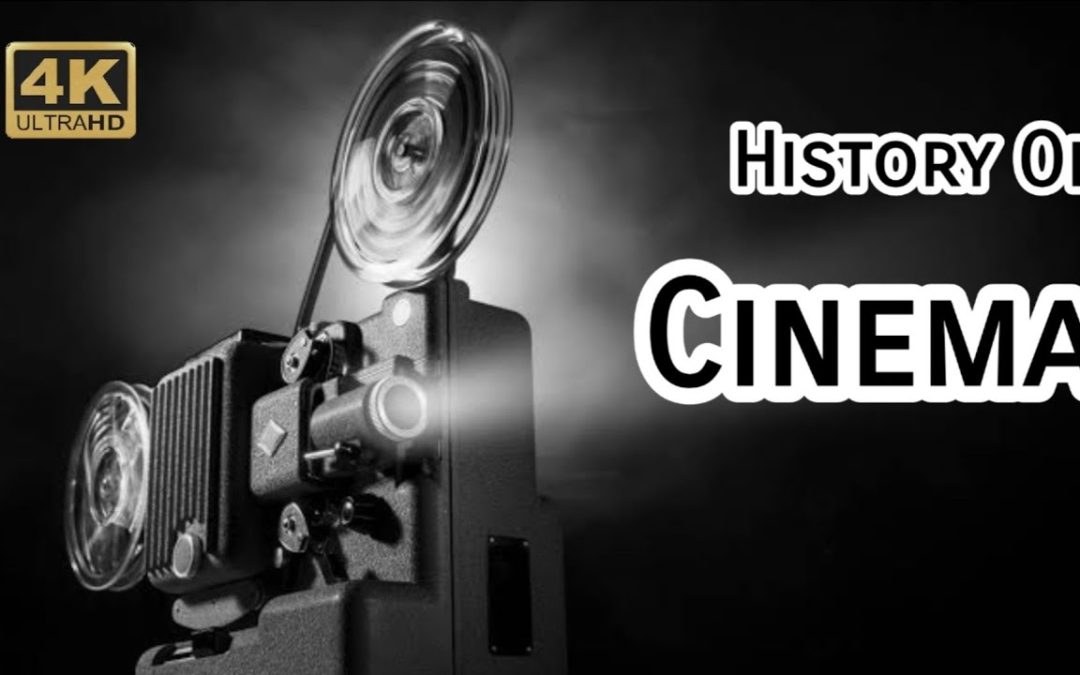
Cinema has undergone a remarkable transformation since its inception, evolving from the silent black-and-white films of the early 20th century to the visually stunning blockbusters of today. Exploring The Evolution of Cinema delves into this captivating journey, highlighting key technological advancements, shifts in storytelling techniques, and the cultural impact of film across generations. As we navigate through the rich tapestry of cinematic history, we uncover how each era has shaped the art of storytelling and reflected societal changes, inviting audiences to experience the magic of film like never before.
How has cinema transformed over the decades?
Cinema has evolved from silent films to talkies, embraced color and digital technology, and expanded storytelling through diverse genres and global perspectives.
- Historical Milestones: Examines significant technological and artistic advancements in cinema, from the invention of the motion picture camera to the rise of digital filmmaking.
- Genre Development: Analyzes how various film genres have evolved over time, reflecting cultural changes and audience preferences, including the emergence of new genres and the transformation of existing ones.
- Global Influence: Highlights the impact of international cinema on Hollywood and vice versa, showcasing the exchange of ideas, styles, and narratives across different cultures.
- Future Trends: Discusses the current and emerging trends in filmmaking, including virtual reality, streaming platforms, and the increasing focus on diversity and representation in storytelling.
What are the key milestones in the evolution of cinema?
The evolution of cinema is marked by several key milestones that have shaped its trajectory. The invention of the motion picture camera in the late 19th century laid the foundation for film as an art form, while the release of “The Birth of a Nation” in 1915 demonstrated the powerful narrative potential of feature-length films. The introduction of synchronized sound in “The Jazz Singer” in 1927 revolutionized the industry, making dialogue an integral part of storytelling. The post-war era saw the emergence of genres, with classics like “Casablanca” and “Gone with the Wind” captivating audiences. The advent of color films in the 1930s and the rise of digital technology in the late 20th century further transformed the cinematic landscape, allowing for greater creativity and accessibility. Today, the global streaming boom signals a new chapter, redefining how films are distributed and consumed, ensuring that cinema continues to evolve with the times.
How has technology influenced the development of film over the years?
Technology has profoundly transformed the film industry, reshaping not only how movies are made but also how audiences experience them. From the advent of sound in the late 1920s to the introduction of color in the 1930s, each technological advancement has opened new avenues for storytelling. The transition from analog to digital filmmaking has further revolutionized production processes, allowing for greater flexibility and creativity. Filmmakers can now capture stunning visuals with high-definition cameras, and sophisticated editing software enables seamless post-production work that was once time-consuming and costly.
In addition to production techniques, technology has significantly influenced distribution and consumption. The rise of streaming platforms has democratized access to films, allowing viewers to enjoy a vast array of content from the comfort of their homes. This shift has not only altered traditional box office dynamics but has also encouraged filmmakers to explore diverse narratives that resonate with global audiences. As a result, independent films and niche genres have found new life, fostering a more inclusive cinematic landscape.
Moreover, the emergence of virtual reality and immersive experiences represents the next frontier in film technology. These innovations invite audiences to engage with stories in unprecedented ways, breaking the fourth wall and enhancing emotional connections. As filmmakers continue to experiment with these cutting-edge tools, the potential for storytelling expands, promising a future where the boundaries of cinema are continually pushed. Technology, therefore, not only influences the mechanics of film production but also enriches the very essence of storytelling, ensuring that cinema remains a dynamic and evolving art form.
In what ways have societal changes impacted the themes and styles of cinema?
Societal changes have profoundly influenced the themes and styles of cinema, reflecting the evolving values, struggles, and aspirations of audiences. As movements for social justice, gender equality, and cultural diversity gained momentum, filmmakers responded by exploring narratives that challenge traditional norms and spotlight marginalized voices. The rise of technology and the digital age has also transformed storytelling techniques, with a shift towards more immersive experiences through virtual reality and interactive formats. Moreover, the global exchange of cultures has led to a richer tapestry of genres and styles, allowing films to address universal themes while incorporating local flavor. This dynamic interplay ensures that cinema remains a powerful medium for both entertainment and social commentary, continually reshaping its identity in response to the world around it.
What role did silent films play in shaping modern filmmaking techniques?
Silent films laid the groundwork for modern filmmaking by pioneering visual storytelling techniques that emphasized imagery over dialogue. Directors and cinematographers were compelled to convey emotions and narratives through expressive performances, innovative camera angles, and dynamic editing. This reliance on visuals fostered a deeper understanding of pacing and timing, allowing filmmakers to craft scenes that resonate with audiences without the need for spoken words. Iconic figures like Charlie Chaplin and Buster Keaton showcased how physical comedy and visual gags could evoke powerful responses, demonstrating the potential of film as a unique art form.
As the transition to sound films began, the foundational techniques established during the silent era remained influential. The emphasis on composition, lighting, and non-verbal communication continued to shape storytelling approaches, ensuring that even with dialogue, the visual aspects of filmmaking retained their significance. Techniques such as close-ups, cross-cutting, and montage originated in silent cinema, and they remain essential tools for modern filmmakers. Ultimately, the silent film era not only set the stage for the evolution of cinema but also ingrained in filmmakers the importance of visual narrative, a principle that continues to guide the craft today.
From Silent Films to Streaming: A Cinematic Odyssey
The evolution of cinema is a remarkable journey that mirrors advancements in technology and shifts in audience preferences. Starting with the silent films of the early 20th century, filmmakers relied on visual storytelling and innovative techniques to convey emotions and narratives, captivating audiences without a single spoken word. As sound was introduced, the medium underwent a transformation, giving rise to iconic musicals and dialogue-rich dramas that enhanced the viewer experience. Each era brought its own creative breakthroughs, from the colorful splendor of Technicolor to the gritty realism of independent films, reflecting societal changes and artistic aspirations.
Today, the cinematic landscape has expanded even further with the advent of streaming platforms, revolutionizing how we consume films. No longer confined to theaters, audiences can now access a vast library of content at their fingertips, allowing for greater diversity and inclusion in storytelling. This democratization of cinema has not only empowered emerging filmmakers but has also fostered a global appreciation for various cultures and narratives. As we continue to embrace this digital age, the essence of cinema remains unchanged—a powerful medium that connects us, inspires us, and challenges our perspectives.
Unraveling the Threads of Film History
Film history is a rich tapestry woven with the creativity and innovation of countless filmmakers, actors, and artisans who have shaped the medium over the decades. From the silent film era, where storytelling relied heavily on visual ingenuity, to the advent of sound that transformed the cinematic experience, each era has contributed unique threads to the narrative of cinema. Iconic movements, such as German Expressionism and Italian Neorealism, introduced audiences to new perspectives, challenging societal norms and pushing the boundaries of artistic expression.
As technology evolved, so too did the language of film. The introduction of color, special effects, and advanced editing techniques revolutionized how stories were told on screen. Directors like Alfred Hitchcock and Orson Welles pioneered innovative storytelling methods, using suspense and non-linear narratives to captivate audiences. Meanwhile, the rise of independent cinema in the late 20th century brought fresh voices and diverse stories to the forefront, highlighting the importance of representation in the film industry.
Today, the threads of film history continue to intertwine, with streaming platforms and global collaborations expanding the reach and influence of cinema. As filmmakers draw inspiration from the past while embracing cutting-edge technology, the future of film promises to be as dynamic and transformative as its storied history. By understanding the evolution of film, we gain a deeper appreciation for the artistry that continues to shape our cultural landscape and connect us through shared stories.
Milestones and Movements: The Changing Face of Cinema
The evolution of cinema has been marked by groundbreaking milestones that reflect societal changes and technological advancements. From the silent films of the early 20th century that conveyed profound emotions through visual storytelling, to the advent of sound and color that transformed audience experiences, each era has introduced innovations that redefined the art form. The rise of independent filmmakers and streaming platforms has further diversified narratives and accessibility, allowing underrepresented voices to emerge and flourish. As cinema continues to adapt, it remains a powerful medium for exploring and challenging cultural norms, making it an ever-evolving canvas that captures the essence of humanity’s journey through time.
The evolution of cinema reflects not only technological advancements but also the shifting cultural landscapes that shape storytelling. As filmmakers continue to push boundaries and experiment with new formats, the future promises even more innovative narratives that resonate with audiences worldwide. Embracing this dynamic journey allows us to appreciate the rich tapestry of cinematic history while eagerly anticipating the next chapter in this ever-evolving art form.
