
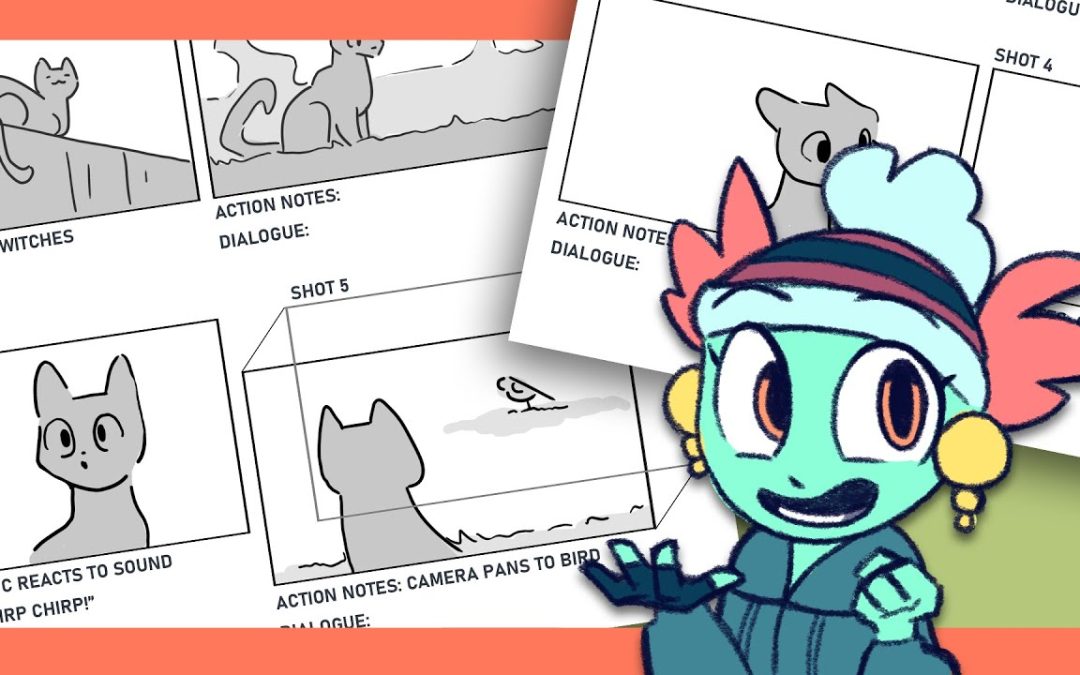
Storyboarding is an essential tool in the creative process, serving as a visual blueprint that transforms ideas into compelling narratives. By breaking down storyboarding like a pro, you can elevate your storytelling skills, streamline production workflows, and enhance collaboration among team members. This article will explore effective techniques and tips to master the art of storyboarding, empowering you to visualize your projects with clarity and creativity. Whether you’re a filmmaker, animator, or marketer, understanding the nuances of storyboarding can be the key to bringing your vision to life.
What are the key steps in effective storyboarding?
Identify the concept, outline the narrative, sketch scenes, define characters, arrange sequence, and refine details for clarity and flow.
What is storyboarding and why is it important in the creative process?
Storyboarding is a visual planning tool used in the creative process to outline a narrative or sequence of events through a series of images or sketches, often accompanied by notes. This technique is imprescindible because it allows creators to visualize the flow of their story, identify key moments, and make necessary adjustments before production begins. By laying out scenes in a structured manner, storyboarding enhances communication among team members, ensures a cohesive vision, and ultimately saves time and resources, leading to a more polished final product.
How do I effectively break down a script for storyboarding?
Breaking down a script for storyboarding begins with a thorough read-through to grasp the overarching narrative and character arcs. As you immerse yourself in the script, take note of key scenes, emotional beats, and transitions. Highlight essential actions, dialogues, and locations that will serve as the backbone of your visual storytelling, ensuring you capture the essence of each moment.
Once you have a clear understanding of the script, segment it into manageable scenes or sequences. This can be done by identifying natural breaks in the narrative, such as changes in setting or shifts in character dynamics. For each segment, outline the primary visual elements, including shot types, camera angles, and any necessary props or costumes. This structured approach will help you visualize the flow of the story and maintain coherence throughout the storyboard.
Finally, create rough sketches or digital representations for each scene, focusing on composition and pacing. Don’t worry about perfection at this stage; the goal is to convey the intended action and mood. As you build out your storyboard, refer back to the script regularly to ensure alignment with the dialogue and character intentions. This iterative process will help you refine your vision and set a solid foundation for the final production.
What tools or software are recommended for creating professional storyboards?
Creating professional storyboards requires tools that facilitate both creativity and organization. Software such as Storyboard Pro offers a comprehensive suite of features tailored for visual storytelling, allowing users to sketch, animate, and integrate audio seamlessly. Additionally, platforms like Canva and Boords provide user-friendly interfaces with customizable templates, making it easy for beginners and seasoned professionals alike to craft visually appealing storyboards quickly.
For those who prefer a more hands-on approach, traditional tools like pencil and paper remain effective, especially for initial brainstorming. However, digital options like Photoshop and Procreate can elevate the detail and quality of your storyboard visuals. Ultimately, the choice of tools depends on personal preference, project needs, and the desired level of detail, ensuring that every storyteller can find their perfect fit for bringing their narratives to life.
What are some tips for enhancing visual storytelling through storyboarding?
To enhance visual storytelling through storyboarding, it’s essential to start with a clear narrative structure. Begin by outlining the main plot points and character arcs to create a cohesive flow. This foundational step allows you to visualize how each scene connects, ensuring that every frame serves a purpose in advancing the story. By sketching out key moments, you can identify pacing, tension, and emotional beats, which are imprescindible for engaging your audience.
Next, focus on composition and framing within your storyboard. Utilize techniques such as the rule of thirds, leading lines, and varying shot sizes to create dynamic visuals. Experiment with angles and perspectives to evoke specific emotions or reactions from your viewers. A well-composed frame can communicate a wealth of information, guiding the audience’s attention and enhancing the overall impact of the narrative.
Finally, incorporate visual elements such as color, texture, and movement into your storyboards. These elements can convey mood and tone, adding depth to your storytelling. Consider how color palettes can reflect character emotions or signal shifts in the narrative. By combining these visual strategies with your narrative structure, you can craft a compelling storyboard that not only tells a story but also captivates and resonates with your audience.
Visualize Your Vision: The Art of Storyboarding
Storyboarding transforms abstract ideas into vivid narratives, serving as a blueprint that guides creators through the intricate process of visual storytelling. By sketching out key scenes and moments, artists can explore the flow of their story, allowing for a clearer understanding of pacing, composition, and emotional impact. This artistic technique not only enhances communication among team members but also fosters creativity, encouraging innovation and collaboration. Ultimately, storyboarding is an essential tool that empowers visionaries to visualize their concepts, ensuring that each frame resonates with purpose and meaning.
From Concept to Creation: Crafting Compelling Narratives
In the realm of storytelling, the journey from concept to creation is a transformative process that breathes life into ideas. Every compelling narrative begins with a spark—an intriguing premise or a vivid character that demands exploration. Writers start by sketching the foundational elements, weaving together themes and emotions that resonate with audiences. This initial phase is critical, as it sets the stage for a narrative that not only captivates but also engages the imagination.
Once the groundwork is laid, the next step involves developing the narrative structure. This is where the art of storytelling truly shines, as writers craft scenes, dialogues, and conflicts that propel the plot forward. Each element is carefully chosen to enhance character development and maintain reader interest. The interplay between conflict and resolution creates a rhythm that keeps audiences invested, transforming mere words on a page into an immersive experience that feels both genuine and relatable.
Finally, the polishing phase is where the narrative truly comes alive. Writers refine their prose, ensuring that every sentence serves a purpose and contributes to the overall impact of the story. This meticulous attention to detail not only heightens emotional resonance but also enhances clarity and flow. The end result is a compelling narrative that resonates with readers long after the last page is turned, showcasing the power of storytelling in its most refined form.
Step-by-Step Techniques for Effective Story Mapping
Story mapping is a powerful technique that helps teams visualize and organize their project requirements in a clear and structured way. By breaking down user stories into manageable components, teams can prioritize features based on user needs and business goals. This step-by-step approach not only enhances collaboration but also ensures that everyone shares a common understanding of the project’s objectives, making it easier to identify gaps and opportunities for improvement.
To begin the story mapping process, gather your team and define the overarching goals of your project. Start by identifying the main user personas and their key tasks. As you map out these tasks, arrange them in a sequence that reflects the user journey, allowing you to see how different features contribute to the overall experience. This visual representation acts as a roadmap, guiding your development efforts and ensuring that critical user needs are met throughout the project lifecycle.
Once your story map is established, prioritize the user stories based on their importance and complexity. This will help you create a structured backlog that can be easily managed and iterated upon. Regularly revisit and refine your story map as you gather feedback and learn more about your users. By continually engaging with this living document, you can adapt to changing requirements and ensure your project remains aligned with user expectations, ultimately leading to a more successful outcome.
Elevate Your Projects: Tips from Industry Experts
In today’s fast-paced world, elevating your projects requires a blend of creativity, organization, and strategic thinking. Industry experts emphasize the importance of setting clear objectives and milestones to guide your team through each phase of development. By breaking down projects into manageable tasks, you not only enhance productivity but also ensure that everyone remains aligned with the overall vision. This structured approach fosters accountability and allows for timely adjustments, keeping your project on track.
Collaboration stands at the heart of successful project execution. Engaging diverse perspectives can spark innovative solutions that may not emerge in isolation. Encourage open communication among team members, as this builds trust and promotes a culture of shared ownership. Regular check-ins and brainstorming sessions can help identify potential roadblocks early on, enabling you to pivot effectively and maintain momentum throughout the project lifecycle.
Finally, leverage technology to streamline processes and enhance efficiency. Tools for project management, collaboration, and data analysis can significantly reduce manual workloads and provide valuable insights. By adopting the latest digital solutions, you empower your team to focus on creative problem-solving rather than administrative tasks. Embracing these expert tips can transform your projects into successful endeavors that not only meet but exceed expectations.
Mastering the art of storyboarding can transform your creative process, providing clarity and direction to your projects. By breaking down this essential tool into manageable steps, you empower yourself to visualize your narrative and enhance collaboration with your team. Embrace these techniques and elevate your storytelling skills, ensuring that every frame resonates with purpose and creativity.
