
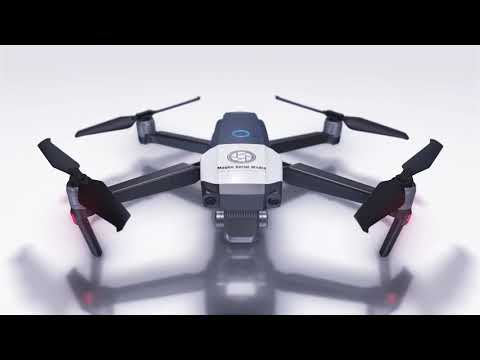
In recent years, the cinematic landscape has been transformed by the advent of drone technology, ushering in a new era of creativity and storytelling in filmmaking. The art of using drones in filmmaking not only enhances visual aesthetics but also offers filmmakers unprecedented access to breathtaking aerial perspectives that were once reserved for high-budget productions. As filmmakers harness the power of these versatile machines, they are redefining the boundaries of traditional cinematography, allowing for innovative shots and immersive experiences that captivate audiences. This exploration delves into the techniques, benefits, and artistic considerations of integrating drones into the filmmaking process, showcasing how this cutting-edge tool is revolutionizing the way stories are told on screen.
How can drones enhance cinematic storytelling?
Drones enhance cinematic storytelling by providing unique aerial perspectives, dynamic movement, and cost-effective solutions for capturing breathtaking visuals that engage audiences.
What are the benefits of using drones in filmmaking compared to traditional camera techniques?
Drones have revolutionized the filmmaking landscape by offering unique aerial perspectives that were once only achievable through expensive helicopter shots. With the ability to soar high above landscapes or glide low over scenes, drones provide filmmakers with the flexibility to capture breathtaking visuals that enhance storytelling. Their compact size allows for easy maneuverability in tight spaces, making it possible to shoot in diverse environments without the logistical challenges associated with larger equipment.
In addition to their versatility, drones are cost-effective alternatives to traditional aerial filming methods. Hiring helicopters and professional crews can be prohibitively expensive, especially for independent filmmakers. Drones significantly reduce these costs while still delivering high-quality footage. The advancements in drone technology ensure that filmmakers can access 4K resolution and stabilization features, resulting in professional-grade images that elevate the overall production value.
Moreover, drones enable greater creativity and innovation in cinematography. They can execute complex shots with precision, such as sweeping movements or dynamic tracking shots, which would be challenging to achieve with conventional cameras. Filmmakers can experiment with various angles and heights, allowing for a more immersive experience for the audience. By integrating drones into their toolkit, filmmakers not only enhance their visual storytelling but also push the boundaries of creative expression in film.
What regulations and permits do I need to consider when using drones for film production?
When using drones for film production, it’s essential to navigate a web of regulations and permits to ensure compliance and safety. First, familiarize yourself with the Federal Aviation Administration (FAA) guidelines, which require drone operators to obtain a Remote Pilot Certificate and register their drones if they weigh over 0.55 pounds. Additionally, you may need to secure a Section 333 exemption for commercial use, allowing for specific operational flexibility. Local regulations can also come into play, as many cities and states have their own restrictions regarding drone flights, particularly in congested areas or near sensitive locations like schools and hospitals. Always check for required permits, especially if filming in national parks or other protected areas, to avoid hefty fines and ensure a smooth production process.
Elevate Your Vision: Unleashing the Power of Drones
In today’s fast-paced world, drones are transforming the way we capture and interact with our surroundings. These innovative flying machines offer a unique perspective, allowing us to explore landscapes and document events from angles previously unimaginable. With advanced technology, drones provide stunning aerial photography and videography, making them invaluable tools for industries ranging from real estate to filmmaking. Their versatility and ease of use empower individuals and businesses alike to elevate their vision and creativity.
As the drone industry continues to evolve, the potential applications are expanding rapidly. Beyond entertainment and marketing, drones are playing critical roles in agriculture, disaster response, and environmental monitoring. By harnessing the power of aerial data, professionals can make informed decisions, optimize resources, and enhance safety measures. Embracing this aerial revolution not only enhances our visual storytelling but also opens new avenues for innovation, ultimately reshaping how we perceive and interact with the world around us.
Aerial Artistry: Transforming Film with Drone Footage
In the ever-evolving landscape of filmmaking, drone technology has emerged as a groundbreaking tool that elevates visual storytelling to new heights. With the ability to capture stunning aerial perspectives, filmmakers can now showcase landscapes and scenes that were once difficult, if not impossible, to film. This transformative approach not only enhances the aesthetic appeal of a project but also deepens the emotional connection between the audience and the narrative, allowing viewers to experience the story from a fresh vantage point.
The precision and versatility of drones enable filmmakers to experiment with dynamic movements and angles, creating captivating sequences that draw viewers in. From sweeping panoramas of natural vistas to intimate close-ups in bustling urban environments, aerial shots provide a dramatic flair that enriches any cinematic work. This innovative technique allows filmmakers to push the boundaries of creativity, ultimately resulting in a more immersive experience for the audience.
As the demand for breathtaking visuals continues to rise, drone footage is becoming an essential component of modern filmmaking. It not only adds a layer of sophistication but also helps convey the scale and scope of the story being told. By harnessing the power of aerial artistry, filmmakers are redefining the traditional storytelling framework, transforming their work into a visual feast that captivates and inspires audiences around the world.
Soaring Perspectives: The Future of Cinematic Storytelling
As technology continues to evolve, the future of cinematic storytelling promises to be a transformative experience, merging traditional narrative techniques with cutting-edge innovations. Filmmakers are harnessing virtual reality, augmented reality, and artificial intelligence to create immersive worlds that engage audiences like never before. This new landscape not only enhances visual storytelling but also invites viewers to participate in the narrative, blurring the lines between creator and consumer. As storytelling becomes more interactive and personalized, the art of cinema will redefine itself, offering fresh perspectives that captivate and inspire a diverse global audience.
The Art of Using Drones in Filmmaking has transformed the way stories are told, offering filmmakers an innovative tool to capture breathtaking aerial perspectives and dynamic shots that were once unimaginable. As technology continues to evolve, the possibilities for creativity and storytelling expand, allowing filmmakers to push boundaries and engage audiences like never before. Embracing this aerial artistry not only enhances visual narratives but also invites a new wave of inspiration in the cinematic landscape, making it an essential element for future projects.
