
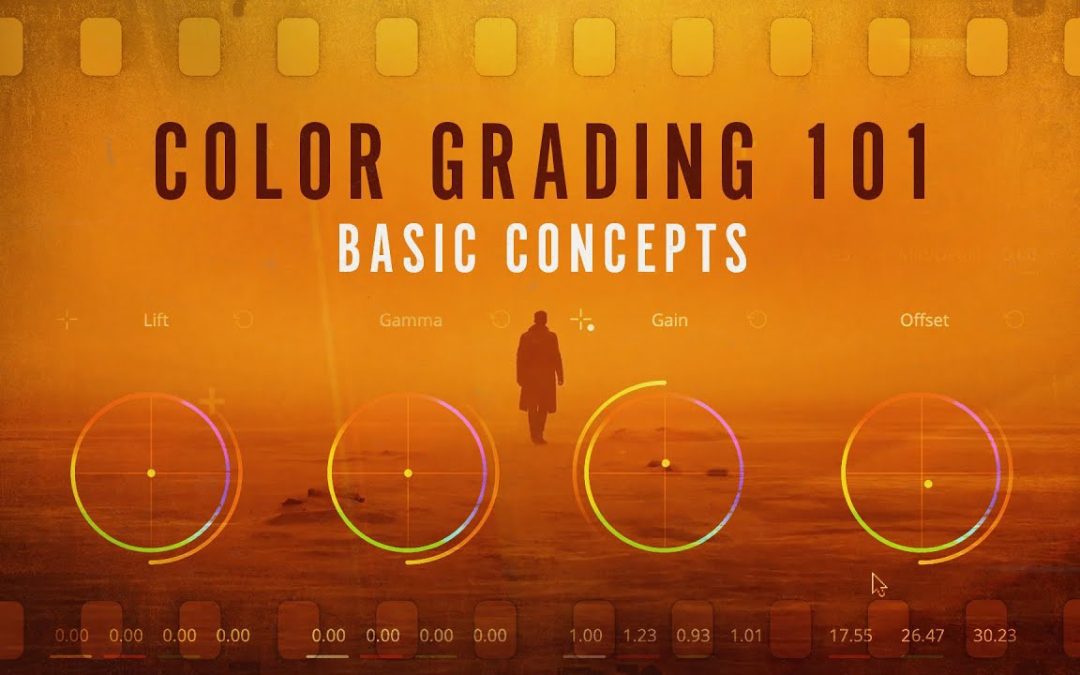
Color grading is an essential aspect of visual storytelling that can transform ordinary footage into captivating cinematic experiences. For beginners, delving into the world of color grading may seem daunting, but it offers an exciting opportunity to enhance creativity and elevate projects. This article, Exploring Color Grading for Beginners, will guide you through the fundamental concepts, tools, and techniques necessary to master this art. Whether you’re a budding filmmaker or a hobbyist looking to add flair to your videos, understanding color grading will empower you to craft stunning visuals that resonate with your audience.
What are the basics of color grading?
Color grading basics involve adjusting brightness, contrast, saturation, and color balance to enhance the visual mood and storytelling of video or images.
What is color grading, and why is it important for video production?
Color grading is the process of adjusting and enhancing the colors and tones in a video to create a specific mood or visual style. This meticulous practice involves manipulating brightness, contrast, saturation, and color balance to ensure that the final product resonates with the audience emotionally and aesthetically. Whether it’s a dramatic film, an upbeat commercial, or a documentary, effective color grading can significantly elevate the storytelling by guiding viewers’ perceptions and enhancing the overall visual narrative.
In video production, color grading is primordial because it sets the tone and atmosphere of the piece. It can transform ordinary footage into something extraordinary, making it visually appealing and memorable. A well-executed color grade can also ensure consistency across different scenes, maintaining a cohesive look that keeps the audience engaged. Ultimately, it serves as a powerful tool for filmmakers and video producers, enabling them to convey their creative vision and connect with viewers on a deeper level.
What tools and software are best for beginners to start exploring color grading?
For beginners venturing into the world of color grading, user-friendly software options can make all the difference in developing skills and confidence. Programs like DaVinci Resolve stand out due to their powerful features and free version, which provides access to professional-grade tools. Its intuitive interface allows newcomers to experiment with color wheels, curves, and LUTs without feeling overwhelmed. Similarly, Adobe Premiere Pro offers a straightforward color grading panel that integrates seamlessly with its video editing capabilities, making it a popular choice for those already familiar with the Adobe ecosystem.
In addition to these software solutions, there are various online resources and tutorials that can guide beginners through the fundamentals of color grading. Websites like YouTube and dedicated learning platforms offer valuable insights into techniques, tips, and creative approaches. By combining accessible software with educational content, aspiring colorists can effectively hone their skills and develop a unique artistic vision, setting a solid foundation for further exploration in the field of visual storytelling.
How can I learn the basics of color theory to enhance my color grading skills?
Understanding the basics of color theory is essential for anyone looking to enhance their color grading skills. Start by familiarizing yourself with the color wheel, which illustrates the relationships between primary, secondary, and tertiary colors. Learn about complementary colors, which can create striking contrasts, and analogous colors, which tend to produce a harmonious look. Delve into concepts such as hue, saturation, and brightness to gain a solid foundation in how colors interact and influence mood. Online resources, including tutorials and courses, can provide structured learning while allowing you to practice these concepts in real-world projects.
As you develop your grasp of color theory, apply these principles in your color grading practice. Experiment with different color palettes and observe how they affect the overall feel of your work. Use software tools that allow you to manipulate color settings and visualize changes in real time. Additionally, study the work of seasoned colorists and analyze their techniques to understand how they utilize color theory in their projects. By consistently integrating these fundamentals into your workflow, you’ll enhance your ability to create visually compelling and emotionally resonant images.
What are some common mistakes beginners make in color grading, and how can I avoid them?
Color grading can be a transformative process for any visual project, yet beginners often stumble with a few common pitfalls. One prevalent mistake is over-saturation, where vibrant colors overshadow the intended mood or story. Newcomers may be tempted to boost colors for dramatic effect, but this can lead to unnatural images. To avoid this, it’s primordial to prioritize subtlety and maintain a balanced color palette that enhances the visual narrative without overwhelming it.
Another frequent error is neglecting proper exposure and contrast adjustments before diving into color grading. Beginners might jump straight into tweaking colors without ensuring that their footage is well-exposed and has a suitable dynamic range. This oversight can result in a flat or lifeless image. To sidestep this issue, always start by correcting exposure and contrast, laying a solid foundation for your color work to shine.
Lastly, many beginners fail to consider the emotional context of their color choices. Each color evokes different feelings, and misalignment can confuse the audience or detract from the story. To prevent this, develop a clear understanding of the emotions you want to convey and use color theory as a guiding principle. By approaching color grading with intention and awareness, you can create a visually compelling narrative that resonates with your audience.
Master the Art of Color Adjustment
Color adjustment is a vital skill that can transform your visual content from ordinary to extraordinary. By mastering the nuances of hue, saturation, and brightness, you can create a mood that resonates with your audience and enhances the overall impact of your work. Whether you’re editing photographs, designing graphics, or crafting videos, understanding the principles of color theory allows you to make informed choices that elevate your projects. Experimenting with color correction tools and filters can bring out hidden details and unify your compositions, ensuring that every element works harmoniously together. Embrace the power of color adjustment to not only refine your visuals but also tell compelling stories that captivate and engage.
Transform Your Footage with Color Theory
Color theory is a powerful tool that can elevate your footage from ordinary to extraordinary. By understanding the relationships between colors, you can create mood, emphasize key elements, and guide your audience’s emotions. Whether it’s the calming blues of a serene landscape or the vibrant reds of an action scene, the right color palette can dramatically enhance the storytelling aspect of your visuals. Exploring complementary, analogous, and triadic color schemes allows you to craft a cohesive look that resonates with viewers and strengthens your narrative.
Incorporating color grading techniques in post-production further amplifies the impact of your footage. By adjusting hues, saturation, and contrast, you can achieve a polished, professional appearance that draws attention to the most important aspects of your story. With careful attention to color theory, you can transform mundane shots into captivating visuals that leave a lasting impression. Embrace the art of color and watch your creative vision come to life, engaging audiences in ways that words alone cannot.
Essential Tips for Stunning Visuals
Creating stunning visuals is more than just an art; it’s about understanding the fundamentals of design and effectively engaging your audience. Start by focusing on composition; balance elements within your frame to guide the viewer’s eye. Utilize the rule of thirds, ensuring that your subject is placed in a way that draws attention without overwhelming the scene. Color plays a vital role as well—choose a palette that resonates with your message and evokes the desired emotions. Consistency in style across your visuals can enhance brand recognition and create a cohesive narrative.
In addition to these foundational techniques, harness the power of lighting to elevate your visuals. Natural light can add warmth and depth, while artificial light allows for more control over the mood and atmosphere. Don’t underestimate the importance of high-resolution images; crisp, clear visuals are essential in capturing and retaining interest. Finally, consider incorporating innovative elements like textures or patterns to add dimension and intrigue. By combining these strategies, you can create visuals that are not only striking but also memorable, ensuring your message stands out in a crowded digital landscape.
Elevate Your Filmmaking with Simple Techniques
Filmmaking is an art that thrives on creativity and innovation, but it doesn’t have to be complicated. By incorporating simple techniques, you can elevate your storytelling and enhance the visual impact of your projects. Consider the power of lighting—using natural light or inexpensive reflectors can dramatically transform a scene, adding depth and mood without breaking the bank. Additionally, mastering the fundamentals of composition can improve your shots significantly; techniques like the rule of thirds or leading lines guide viewers’ eyes and create a more engaging narrative.
Sound design is another primordial yet often overlooked element that can elevate your film. Investing time in capturing high-quality audio can make a world of difference, whether through clear dialogue or immersive ambient sounds. Furthermore, utilizing basic editing techniques, such as cutting on action or creating smooth transitions, can greatly enhance the flow of your film. By focusing on these straightforward yet effective methods, you can bring a professional touch to your work and captivate your audience, transforming your vision into a polished final product.
Mastering color grading opens up a world of creative possibilities for beginners eager to enhance their visual storytelling. By understanding the fundamentals and experimenting with various techniques, you can transform ordinary footage into captivating visuals that resonate with your audience. Embrace the journey of exploration and let your unique artistic voice shine through the vibrant palette of color grading.
