
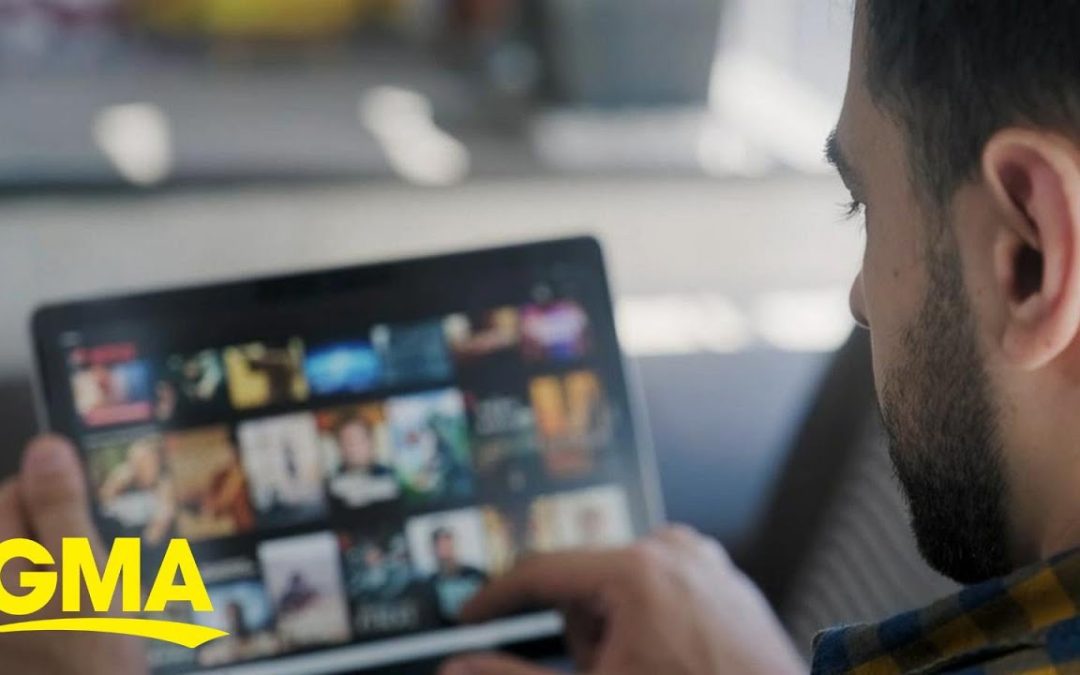
As the landscape of entertainment continues to evolve, the debate between streaming services and traditional theaters intensifies. Unpacking Streaming vs Theaters delves into the shifting preferences of audiences, exploring how convenience and accessibility challenge the nostalgic allure of the big screen. This discussion not only highlights the technological advancements reshaping viewing habits but also examines the impact on filmmakers and the future of cinematic experiences. Join us as we navigate this dynamic realm where digital innovation meets classic storytelling.
What are the key differences between streaming and theaters?
Streaming offers convenience and at-home viewing, while theaters provide a communal experience and larger screens. The choice depends on personal preference for comfort or atmosphere.
- Audience Experience: Streaming offers convenience and comfort at home, while theaters provide a communal atmosphere and immersive viewing with larger screens and superior sound systems.
- Accessibility: Streaming platforms allow viewers to access a vast library of content anytime and anywhere, whereas theaters may have limited showtimes and require travel to specific locations.
- Revenue Models: Theatrical releases typically rely on box office sales for initial revenue, while streaming services generate income through subscription fees or ad revenue, impacting how films are produced and marketed.
- Release Strategies: Theatrical films often have exclusive initial releases to build hype, while streaming services may release films directly to their platform, sometimes bypassing theaters altogether.
- Content Variety: Streaming platforms often feature a diverse range of films, including indie and international titles, while theaters may focus on major studio releases and blockbusters, affecting the types of films audiences can see.
What are the main differences between streaming movies and watching them in theaters?
Streaming movies and watching them in theaters each offer distinct experiences that cater to different preferences. At home, viewers enjoy the convenience of choosing from a vast library of films at their fingertips, allowing for flexible viewing times and the comfort of their own space. Additionally, streaming services often provide the option to pause, rewind, or fast-forward, making it easier to tailor the viewing experience to individual needs.
On the other hand, theaters deliver an immersive cinematic experience that is hard to replicate at home. The large screens and high-quality sound systems create a captivating atmosphere, enhancing the emotional impact of films. The communal aspect of watching with an audience can also heighten enjoyment, as laughter, gasps, and applause contribute to a shared experience that connects viewers.
Moreover, the social dynamics of both options differ significantly. While streaming allows for solo or small-group viewing, theaters often become social outings, encouraging friends and families to gather and enjoy a film together. Each format has its unique appeal, making the choice between streaming and theaters dependent on the viewer’s mood, preferences, and the specific film being watched.
How does the viewing experience compare between streaming platforms and traditional movie theaters?
The viewing experience on streaming platforms has revolutionized how audiences consume films, offering unparalleled convenience and flexibility. Viewers can watch movies from the comfort of their homes, choosing when and where to enjoy their favorite titles. With features like pause and rewind, streaming platforms allow for a personalized experience that caters to individual preferences. Additionally, the wide selection of genres and the ability to binge-watch series make it easy for audiences to explore diverse content without the constraints of a theater schedule.
In contrast, traditional movie theaters provide a unique communal atmosphere that cannot be replicated at home. The immersive experience of a large screen, surround sound, and the cinematic ambiance enhances the emotional impact of films. The shared reactions of an audience—laughter, gasps, and applause—create a collective enjoyment that transforms a simple viewing into an event. Furthermore, theaters often premiere new releases, making them the go-to destination for film enthusiasts eager to experience the latest blockbusters.
Ultimately, while streaming platforms prioritize accessibility and comfort, traditional movie theaters emphasize the thrill of a shared cinematic experience. Each option caters to different preferences, allowing audiences to choose based on their mood or occasion. Whether it’s the cozy solitude of home or the electrifying energy of a packed theater, both mediums play a significant role in the landscape of film consumption today.
Are there any advantages to watching films in theaters that streaming cannot provide?
Watching films in theaters offers an unparalleled immersive experience that streaming at home simply cannot replicate. The sheer size of the screen and the high-quality sound system envelop the audience, drawing them into the story in a way that a small TV or computer screen cannot. This sensory engagement creates a communal atmosphere where viewers share reactions, laughter, and gasps, enhancing the emotional impact of the film.
Additionally, theaters provide a dedicated space for film-watching, free from the distractions that often accompany home viewing. Without the temptation of multitasking or interruptions, audiences can fully engage with the narrative and appreciate the artistic nuances. The ritual of going to the movies—picking a film, buying snacks, and settling into a darkened room—adds a layer of anticipation and excitement that makes the experience more memorable.
Moreover, theaters often showcase films in their intended format, including IMAX and 3D presentations, ensuring that viewers see the film as it was meant to be experienced. Exclusive releases and special screenings allow audiences to engage with cinema in a vibrant cultural setting, often accompanied by events like Q&As with filmmakers. This connection to the filmmaking community and the shared experience of watching a film with others creates lasting memories that streaming at home rarely offers.
What factors should I consider when deciding whether to choose streaming or a theater for watching a new release?
When deciding between streaming and theater for watching a new release, one key factor to consider is the experience. Theaters offer an immersive atmosphere with large screens, surround sound, and a communal environment that can enhance the excitement of a new film. The shared reactions of an audience can amplify the emotional impact of a movie, making it a memorable event. In contrast, streaming allows for a more personal viewing experience, where you can enjoy the film in the comfort of your own home, often at a lower cost.
Another important aspect is convenience. Streaming platforms enable you to watch films at your own pace, pausing or rewinding as needed, which is particularly appealing for those with busy schedules or family commitments. Additionally, many streaming services provide access to a vast library of films, allowing viewers to discover older titles alongside new releases. On the other hand, theaters may have limited showtimes and require planning around travel and ticket purchases, which can be less convenient.
Finally, consider your budget and preferences. While theater tickets can be pricey, especially for premium formats, streaming often comes with subscription models that offer various options for affordability. Think about whether you value the unique experience of a theater or the flexibility and cost-effectiveness of streaming. Ultimately, your choice should align with what you prioritize most in your film-watching experience.
The Battle for Your Attention: Streaming vs. Theaters
In today’s entertainment landscape, the competition for audience attention is fiercer than ever, with streaming services and traditional theaters vying for dominance. Streaming platforms offer the convenience of watching films from the comfort of home, providing viewers with an extensive library of content available at their fingertips. This accessibility has revolutionized the way we consume media, allowing for binge-watching marathons and on-demand viewing that fits seamlessly into busy lifestyles.
However, theaters still hold a unique charm that streaming cannot replicate. The immersive experience of watching a film on a big screen, surrounded by an audience, creates a collective atmosphere that heightens emotional engagement. Cinematic releases often come with elaborate productions and special effects designed to be appreciated in a theater setting, enticing audiences to experience films as intended by their creators. This communal experience can foster a sense of shared excitement that simply cannot be matched by solitary viewing at home.
As both mediums continue to evolve, the battle for attention remains ongoing. While streaming services are investing heavily in original content to draw viewers away from theaters, cinemas are adapting by enhancing the viewer experience through upgraded technology and exclusive releases. Ultimately, the choice between streaming and theaters boils down to personal preference, as each offers distinct advantages that cater to different moods and occasions. As audiences navigate this dynamic landscape, the future of entertainment promises to be as diverse and engaging as ever.
Where to Watch: The Pros and Cons of Each Experience
When it comes to choosing where to watch your favorite shows or movies, each viewing experience offers distinct advantages and drawbacks. Streaming services provide the convenience of on-demand access from the comfort of your home, but can sometimes lead to decision fatigue with overwhelming choices. On the other hand, theaters deliver the immersive thrill of large screens and surround sound, yet come with the hassle of tickets and crowded spaces. Meanwhile, watching with friends or family can enhance the enjoyment of a film, but may also introduce distractions. Ultimately, the best choice depends on personal preferences and the kind of experience you’re seeking.
Screen Time Showdown: Choosing Between Formats
In today’s digital landscape, the battle between traditional screen formats and newer, more innovative displays is heating up. With the rise of streaming services and mobile devices, consumers are constantly faced with choices that impact their viewing experiences. Whether it’s the immersive quality of a large television screen or the convenience of a tablet, each format offers distinct advantages that cater to different lifestyles and preferences.
While large screens provide a cinematic experience ideal for family movie nights, smaller devices offer portability that aligns with our on-the-go routines. The emergence of high-resolution displays and advanced audio technology has elevated the viewing experience across the board. However, the choice often comes down to context; for instance, a smartphone might be perfect for a quick episode during a commute, while a home theater setup is unbeatable for a weekend binge-watch.
Ultimately, the decision between formats reflects personal priorities and viewing habits. As technology continues to advance, consumers can expect even more dynamic options that blend the best of both worlds. The key is to find the right balance that enhances enjoyment, whether you’re curled up on the couch or catching up on the latest series during lunch breaks.
The Future of Film: Streaming Services vs. Traditional Theaters
As the film industry evolves, the battle between streaming services and traditional theaters intensifies, reshaping how audiences consume content. Streaming platforms have revolutionized accessibility, offering viewers the convenience of watching films anytime, anywhere, often at a fraction of the cost of a cinema ticket. This shift has empowered filmmakers to reach wider audiences without the constraints of traditional distribution, allowing for diverse storytelling that resonates with global viewers.
Yet, traditional theaters continue to hold a unique charm, providing an immersive experience that streaming cannot replicate. The communal atmosphere of a packed cinema, where laughter and gasps resonate in unison, creates a shared experience that enhances the emotional connection to the film. As both mediums vie for dominance, the future of film may not be a matter of one prevailing over the other, but rather a harmonious coexistence that offers audiences the best of both worlds.
The debate between streaming and theaters continues to evolve, reflecting shifting consumer preferences and technological advancements. As audiences seek convenience and immersive experiences, both platforms must adapt to stay relevant. Ultimately, the future of entertainment lies in a harmonious coexistence, where each medium complements the other, offering diverse options for every viewer. Balancing the unique strengths of streaming and theaters will shape the cinematic landscape for years to come.
