
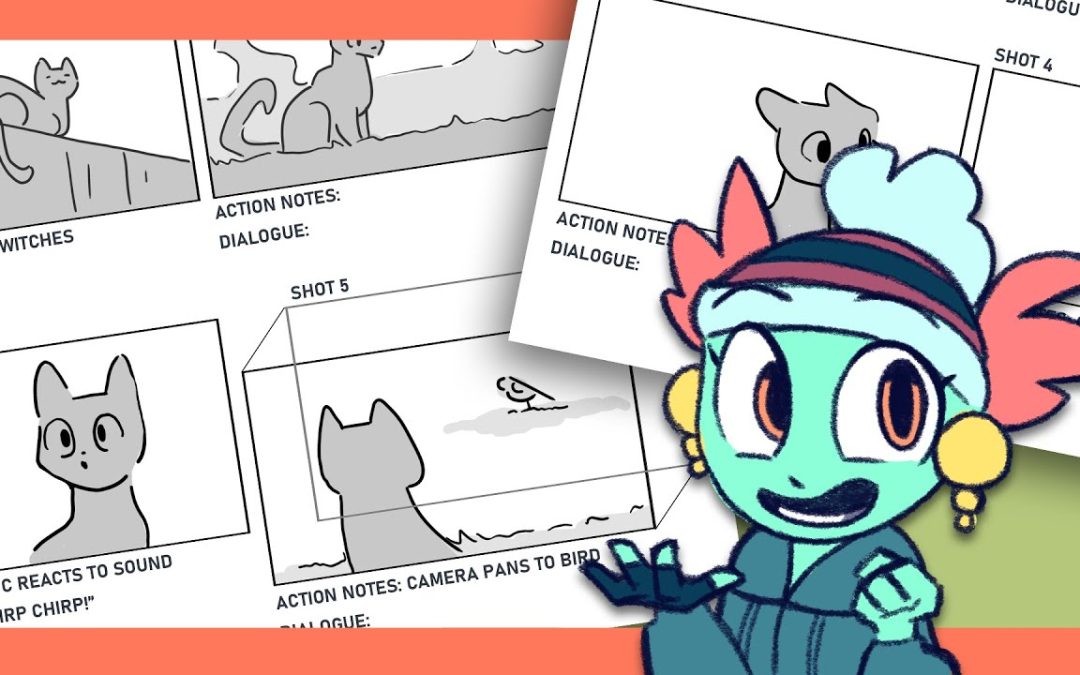
Storyboarding is an essential skill for anyone involved in visual storytelling, from filmmakers to marketers. Understanding Storyboarding Like a Pro not only enhances your ability to convey ideas effectively but also streamlines the creative process. This article will demystify the art of storyboarding, offering insights into its techniques and best practices. Whether you’re a beginner or looking to refine your skills, mastering this powerful tool will elevate your projects and help you communicate your vision with clarity and impact.
What are the key elements of effective storyboarding?
Key elements of effective storyboarding include clear visuals, concise descriptions, character development, scene progression, and a cohesive narrative flow.
What is the purpose of storyboarding in the creative process?
Storyboarding serves as a vital blueprint in the creative process, allowing creators to visualize their concepts and narratives before they come to life. By breaking down scenes and sequences into manageable frames, it provides a clear structure that enhances storytelling, ensuring that each element flows seamlessly into the next. This visual representation not only aids in organizing thoughts and ideas but also enables collaboration among team members, fostering a shared understanding of the project’s vision. Ultimately, storyboarding acts as a strategic tool that streamlines production, minimizes costly revisions, and enriches the overall creative outcome.
How do I create an effective storyboard for my project?
Creating an effective storyboard begins with a clear understanding of your project’s objectives and key messages. Start by outlining your main ideas and breaking them down into individual scenes or segments. Use simple sketches or digital tools to visualize each frame, ensuring that they convey the emotions, actions, and transitions you want to capture. Keep text minimal; focus instead on visuals that communicate your concepts clearly. This will help you maintain a cohesive narrative flow and keep your audience engaged.
Once you’ve laid out your storyboard, review it critically to ensure it aligns with your project’s goals. Seek feedback from collaborators or potential viewers to refine your ideas further. Consider the pacing and rhythm of your storyboard, adjusting the sequence of scenes to enhance storytelling and maintain interest. By iterating on your initial drafts and incorporating constructive input, you’ll create a powerful storyboard that serves as a strong foundation for your project, guiding both your creative process and final execution.
What are some common mistakes to avoid when storyboarding?
One of the most common mistakes to avoid when storyboarding is neglecting to establish a clear narrative flow. Storyboards are meant to visually map out the progression of a story, and failing to maintain a coherent sequence can confuse both the creators and the audience. It’s essential to ensure that each panel logically leads to the next, creating a seamless transition that enhances the overall storytelling. Additionally, overlooking the importance of visual composition can detract from the impact of the scenes. Storyboards should not only convey the plot but also capture the intended emotions and atmosphere through effective framing and angles.
Another frequent pitfall is underestimating the value of detail in each frame. While storyboards are often seen as rough drafts, omitting primordial elements such as character expressions, background settings, and action cues can lead to misinterpretation during production. A well-thought-out storyboard should include enough detail to convey the essence of each scene without being overly cluttered. Finally, failing to revise and iterate on the storyboard can lead to missed opportunities for improvement. Constructive feedback and multiple drafts are vital to refining the story and ensuring that it resonates with the intended audience.
Unlock Your Creative Vision
Embrace the limitless potential of your imagination and discover the tools that can transform your ideas into reality. By harnessing innovative techniques and exploring diverse mediums, you’ll unlock new dimensions of creativity that ignite your passion. Whether it’s through painting, writing, or digital design, each expression becomes a journey of self-discovery, allowing you to connect deeply with your authentic voice. Step beyond conventional boundaries and let your unique vision shine, as you craft meaningful narratives that resonate with others and inspire change.
Crafting Compelling Visual Narratives
In today’s fast-paced digital landscape, the ability to craft compelling visual narratives is essential for capturing and retaining audience attention. Effective storytelling through visuals not only enhances engagement but also fosters a deeper emotional connection with viewers. By combining striking imagery, thoughtful composition, and a clear message, creators can transform ordinary content into immersive experiences that resonate with diverse audiences.
To achieve this, it is primordial to understand the power of color, typography, and imagery in conveying a story. Each element must work harmoniously to evoke the desired emotions and guide viewers through the narrative journey. By prioritizing clarity and intention in visual design, storytellers can create impactful narratives that not only inform but also inspire, leaving a lasting impression that encourages further exploration and interaction.
Elevate Your Storytelling Skills
In a world saturated with content, the ability to tell a compelling story can set you apart. Engaging storytelling transcends mere facts; it invites your audience into a narrative that resonates on an emotional level. By mastering the art of storytelling, you can create vivid imagery and relatable characters that hold your audience’s attention, transforming mundane information into memorable experiences. This skill not only captivates listeners but also fosters deeper connections, making your message more impactful.
To elevate your storytelling skills, start by understanding your audience and their needs. Tailor your narratives to evoke emotions, whether it’s joy, empathy, or curiosity. Incorporating elements like conflict and resolution can add depth, while a strong opening hook will draw your audience in. Practice makes perfect, so share your stories in various formats—be it written, spoken, or visual. With every story you tell, you refine your craft, ultimately becoming a more persuasive communicator who can inspire and engage others.
From Concept to Canvas
Every masterpiece begins with a spark of inspiration, transforming an abstract idea into a tangible vision. As artists, we harness our creativity to explore themes that resonate deeply within us, allowing our emotions and experiences to shape the narrative. This initial concept serves as the foundation upon which we build, guiding our choices in color, form, and composition. Each brushstroke becomes a part of the dialogue between the artist and the canvas, inviting viewers to engage with the story unfolding before their eyes.
Once the conceptual groundwork is laid, the canvas becomes a playground for experimentation and expression. As colors blend and shapes emerge, the artwork evolves, often taking unexpected turns that surprise even the creator. This dynamic process not only breathes life into the original idea but also reflects the journey of self-discovery that accompanies artistic creation. In this way, the transition from concept to canvas is not just about the final piece; it is a transformative experience that captures the essence of creativity itself.
Design Your Story with Precision
In a world where every detail matters, crafting your narrative with precision can transform a mere story into an unforgettable experience. By thoughtfully selecting your words, structuring your plot, and developing your characters, you create a tapestry that resonates with your audience. Embrace the power of imagery and emotion, allowing each element to serve a purpose in advancing your theme. Whether you’re penning a novel, creating a presentation, or sharing a personal anecdote, the clarity and intention behind your design will captivate hearts and minds, ensuring your story not only reaches but also inspires those who encounter it.
Mastering the art of storyboarding opens up a world of creative possibilities, allowing storytellers to visualize their narratives with clarity and precision. By embracing the techniques and principles outlined, anyone can elevate their storytelling skills to a professional level. Whether you’re a filmmaker, animator, or content creator, understanding storyboarding like a pro equips you with the tools necessary to craft compelling stories that captivate and engage audiences. Dive into this practice and watch your ideas transform from concept to captivating visual narratives.
