
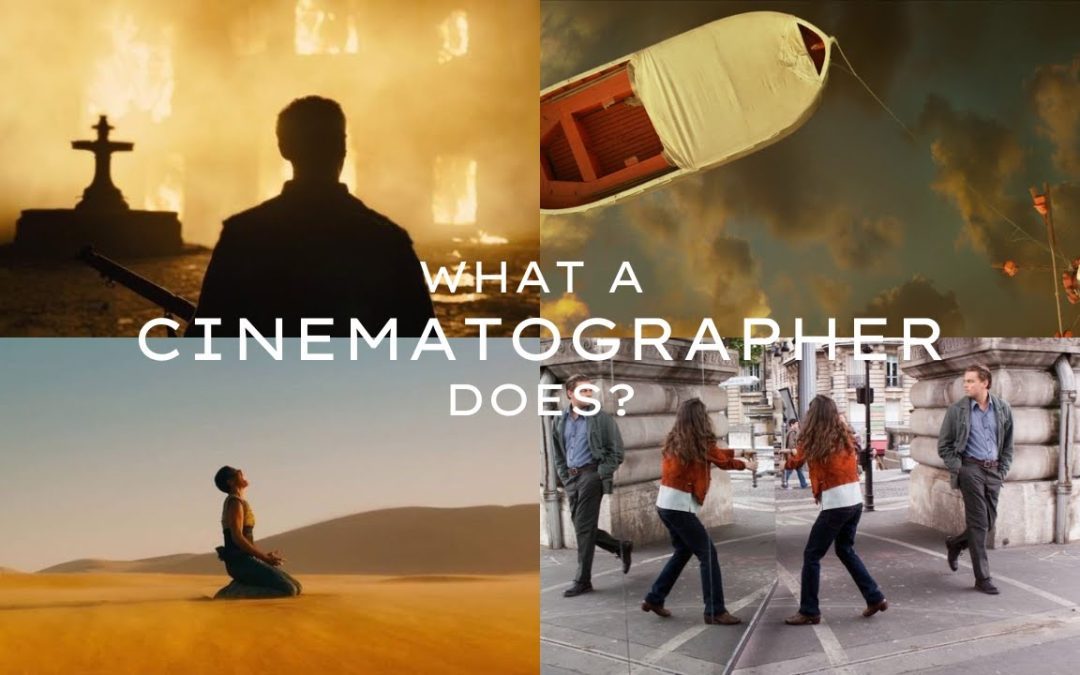
In the captivating world of filmmaking, the Director of Photography (DP) stands as a pivotal figure, wielding the power to transform scripts into visual masterpieces. This role goes beyond mere technical expertise; it demands a profound understanding of light, composition, and storytelling. The DP crafts the film’s mood and aesthetic, influencing how audiences perceive and connect with the narrative. As the unsung hero behind the camera, the Director of Photography not only shapes the visual language of a film but also plays a esencial role in bringing the director’s vision to life, making their artistry essential to the cinematic experience.
What makes a Director of Photography essential?
A Director of Photography is essential for crafting the visual storytelling, ensuring proper lighting, composition, and camera work to enhance the film’s overall aesthetic and emotional impact.
- Visual Storytelling: The Director of Photography (DP) is responsible for translating the script into visual imagery, using lighting, composition, and camera angles to enhance the narrative and evoke emotions.
- Technical Expertise: A DP must possess a deep understanding of camera equipment, lenses, and lighting techniques, allowing them to make informed decisions that align with the director’s vision and the project’s requirements.
- Collaboration: The role involves close collaboration with the director, production designers, and other key crew members to ensure a cohesive visual style, fostering a productive environment that enhances creativity and problem-solving.
- Artistic Vision: The DP plays a esencial role in establishing the film’s aesthetic, employing color theory, texture, and visual motifs to create a distinctive look that supports the story and engages the audience.
What are the key responsibilities of a Director of Photography on a film set?
The Director of Photography (DP) plays a esencial role in shaping the visual narrative of a film. They are responsible for selecting the camera equipment and lenses, designing the lighting scheme, and determining the overall visual style in collaboration with the director. This includes creating shot compositions that enhance storytelling, ensuring that each frame conveys the intended emotion and atmosphere. The DP also oversees the camera crew, guiding them on technical operations and fostering a cohesive workflow on set.
In addition to technical expertise, the DP must possess strong communication skills to articulate their vision and collaborate effectively with other departments, such as production design and costume. They conduct tests and experiments to refine their approach, constantly adapting to new challenges that arise during filming. Ultimately, the Director of Photography is not just a technician but an artist, whose decisions are integral to the film’s aesthetic and emotional impact, influencing how audiences perceive the story.
How does the Director of Photography collaborate with the director to achieve the visual style of a film?
The collaboration between the Director of Photography (DoP) and the director is essential in crafting a film’s visual narrative. From the initial concept to the final shot, the DoP translates the director’s vision into stunning visuals through careful consideration of lighting, camera angles, and composition. Regular discussions about themes and emotions help align their creative perspectives, ensuring that each scene resonates with the intended tone. By experimenting with different techniques and equipment, the DoP can create a unique atmosphere that enhances storytelling, while the director provides artistic guidance to maintain coherence throughout the film. This dynamic partnership ultimately results in a cohesive visual style that captivates the audience and elevates the entire cinematic experience.
What skills and technical knowledge are essential for a successful Director of Photography?
A successful Director of Photography (DoP) must possess a blend of artistic vision and technical expertise. Mastery of lighting techniques, camera operation, and composition is essential, as these elements directly influence the visual storytelling of a film or project. Understanding color theory and how to manipulate shadows can enhance the mood and tone, while proficiency with various camera systems and lenses allows the DoP to select the best tools for each shot. Additionally, familiarity with industry-standard software for post-production and color grading is esencial for ensuring that the final product aligns with the director’s vision.
Beyond technical skills, a DoP should have strong collaboration and communication abilities. Working closely with directors, production designers, and other crew members is vital to create a cohesive visual narrative. The DoP must articulate their ideas clearly and be open to feedback, adapting their approach to suit the project’s needs. Leadership skills are also important, as they guide the camera team and make quick decisions on set to maximize efficiency. Combining artistic sensibility with technical know-how and interpersonal skills empowers a Director of Photography to elevate a project and bring compelling stories to life.
Crafting Cinematic Brilliance Through Light and Lens
In the world of filmmaking, light and lens serve as the fundamental tools that shape visual storytelling. The strategic use of lighting can evoke emotions, set the mood, and guide the audience’s attention, while the choice of lens influences the depth of field and composition. By mastering these elements, filmmakers can transform simple scenes into breathtaking visuals that resonate with viewers on a profound level. Every flicker of light and angle of the lens works harmoniously to create a vivid tapestry that immerses audiences in the narrative.
The artistry of cinematography lies in its ability to blend technical precision with creative vision. A well-crafted shot not only captures the essence of a story but also elevates it, turning moments into memories. As filmmakers experiment with various lighting techniques and lens choices, they unlock new dimensions of expression, allowing their stories to unfold in visually stunning ways. Ultimately, it is this intricate dance between light and lens that breathes life into the cinematic experience, leaving a lasting impact long after the credits roll.
Elevating Storytelling: The Art Behind the Camera
In the realm of visual storytelling, the camera serves as a powerful tool that transcends mere documentation. It captures emotions, nuances, and the essence of a moment, transforming ordinary scenes into compelling narratives. Mastering the art of cinematography involves a keen understanding of lighting, composition, and movement, allowing filmmakers to evoke specific feelings and connect with audiences on a deeper level. Each frame becomes a brushstroke in a larger canvas, meticulously crafted to enhance the story being told.
Beyond technical proficiency, the true artistry of filmmaking lies in the ability to weave together visuals and sound, creating an immersive experience that resonates with viewers. Directors and cinematographers collaborate closely, harnessing the camera’s capabilities to reflect characters’ journeys and the underlying themes of their narratives. This synergy not only elevates the storytelling but also invites the audience to lose themselves in the world created on screen, making every shot a vital piece of a larger emotional puzzle.
Visual Storytelling: Where Vision Meets Technique
Visual storytelling is an art form that transcends mere images; it weaves a narrative that engages the viewer on multiple levels. By skillfully combining elements like composition, color, and lighting, creators can evoke emotions and convey messages that resonate deeply. Each frame becomes a canvas, where the choice of angle and perspective can transform an ordinary scene into a compelling story, inviting the audience to explore the layers of meaning embedded within. This synergy of vision and technique is what distinguishes powerful visual narratives from the mundane.
In an era where attention spans are fleeting, the effectiveness of visual storytelling lies in its ability to capture and hold interest. Whether through photography, film, or digital media, the integration of artistic vision with technical precision allows storytellers to create immersive experiences that linger in the minds of viewers. As technology evolves, the tools available for crafting these narratives expand, offering endless possibilities for innovation. Ultimately, successful visual storytelling not only tells a story but also inspires connection, reflection, and action, proving that the marriage of vision and technique can lead to transformative experiences.
The Cinematic Eye: Transforming Narratives with Imagery
In the realm of storytelling, imagery serves as the heartbeat that brings narratives to life, transforming mere words into vivid experiences. The cinematic eye captures not only the visual beauty of a scene but also the emotions intertwined within each frame, inviting viewers to immerse themselves in the unfolding story. Through the artful use of lighting, color, and composition, filmmakers craft a visual language that resonates deeply, enhancing the narrative’s impact and drawing audiences into a world where every glance and gesture holds meaning. This powerful synergy between imagery and storytelling not only captivates the senses but also elevates the narrative, making it a memorable journey that lingers long after the credits roll.
The role of a Director of Photography is pivotal in shaping the visual narrative of a film, blending technical expertise with artistic vision. By harnessing light, composition, and color, they create a distinct atmosphere that enhances storytelling and captivates audiences. As the unsung hero behind the camera, their influence extends far beyond the frame, leaving a lasting impact on how stories are perceived and felt. Embracing this powerful role not only elevates the craft of filmmaking but also enriches the viewer’s experience, making every shot a testament to their creative mastery.
