
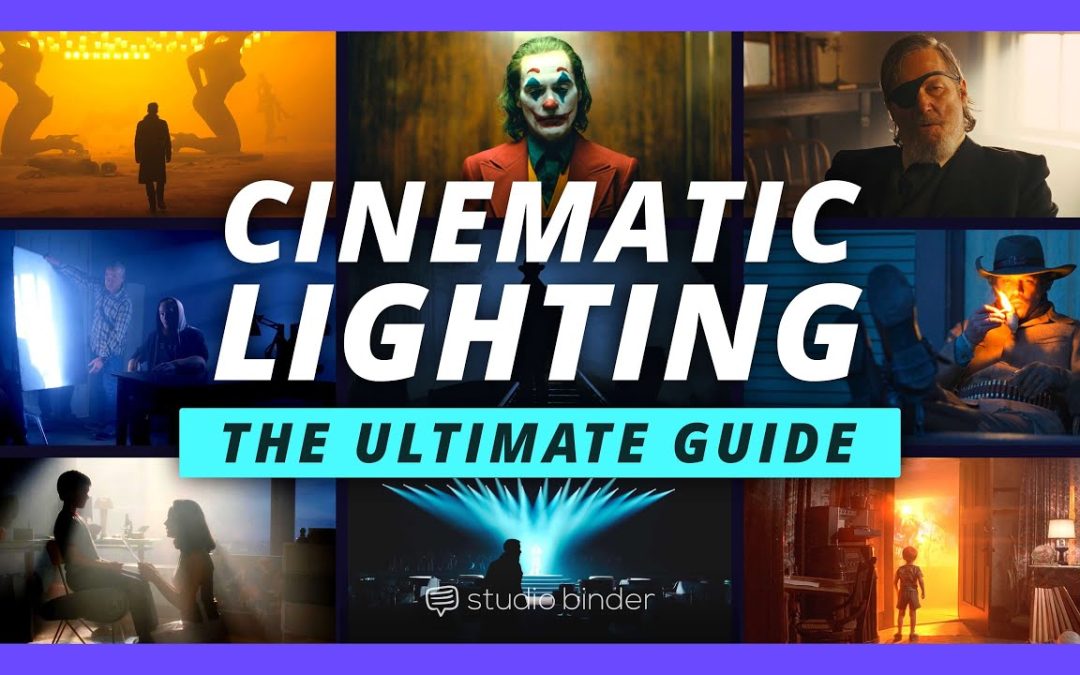
In the world of filmmaking, lighting is more than just a technical necessity; it is an art form that shapes the mood, enhances storytelling, and captivates audiences. Behind Cinematic Lighting Techniques delves into the intricate methods and creative choices that filmmakers employ to craft visually stunning scenes. By exploring the principles of light and shadow, color temperature, and innovative equipment, this article reveals how lighting transforms ordinary moments into extraordinary cinematic experiences, inviting readers to appreciate the magic that illuminates the silver screen.
What are key elements of cinematic lighting techniques?
Key elements of cinematic lighting techniques include key light, fill light, back light, color temperature, and shadows to create mood and depth in scenes.
What are the fundamental principles of cinematic lighting techniques used in film production?
Cinematic lighting techniques are essential for establishing mood, depth, and character in film production. The fundamental principles include three-point lighting, which utilizes a key light, fill light, and backlight to create a balanced and dynamic scene. The key light serves as the primary illumination source, highlighting the subject, while the fill light softens shadows and adds dimension. The backlight creates separation between the subject and the background, enhancing the three-dimensionality of the composition. By manipulating the intensity, color, and angle of these lights, filmmakers can evoke specific emotions and guide the viewer’s focus.
Additionally, the use of natural and artificial light sources can drastically influence the aesthetic of a scene. Techniques such as motivated lighting, which mimics the sources present within the narrative, help to maintain realism while enhancing visual storytelling. High-key lighting produces a bright, cheerful atmosphere, while low-key lighting introduces drama and tension through stark contrasts. Understanding these principles allows filmmakers to craft visually compelling narratives, ensuring that each frame not only tells a story but also resonates emotionally with the audience.
How do different lighting setups affect the mood and atmosphere of a scene?
Lighting is a critical element in filmmaking and photography that profoundly influences the mood and atmosphere of a scene. Soft, diffused lighting often evokes a sense of warmth and intimacy, making it ideal for romantic or tender moments. In contrast, harsh, direct lighting can create tension and drama, casting stark shadows that evoke feelings of unease or conflict. By manipulating the quality and direction of light, creators can subtly guide the audience’s emotional response, enhancing the storytelling experience.
Color temperature also plays a significant role in shaping the atmosphere. Warm tones, such as yellows and oranges, tend to generate feelings of comfort and nostalgia, while cooler hues like blues and greens can instill a sense of calm or melancholy. This color manipulation allows for the establishment of a specific time of day or emotional landscape, further enriching the narrative. A scene bathed in golden sunlight can transport viewers to a serene afternoon, while a moonlit setting might evoke mystery or suspense.
Moreover, the use of shadows and highlights can define the spatial dynamics of a scene, adding depth and complexity. Low-key lighting, characterized by strong contrasts and deep shadows, often creates a dramatic and suspenseful atmosphere, suitable for thrillers or horror genres. On the other hand, high-key lighting, which minimizes shadows and provides even illumination, is typically associated with cheerful and light-hearted scenes. By thoughtfully employing these lighting techniques, filmmakers and photographers can craft immersive environments that resonate powerfully with their audience.
What types of lighting equipment are commonly used in cinematic lighting techniques?
Cinematic lighting techniques rely on a variety of equipment to create mood, depth, and visual storytelling. Key tools include softboxes, which diffuse light to produce a gentle, even glow, perfect for illuminating faces without harsh shadows. Additionally, LED panels have gained popularity for their versatility and adjustable color temperatures, allowing filmmakers to easily shift the ambiance of a scene. Spotlights and Fresnels, with their focused beams, are ideal for highlighting specific subjects and creating dramatic contrasts, while practical lights, like lamps and candles, enhance realism by integrating natural sources into the frame.
Incorporating these lighting tools effectively can dramatically influence the audience’s perception of the story. For instance, using backlighting can create silhouettes that evoke mystery, while high-key lighting can establish a cheerful, upbeat tone. The strategic combination of these elements allows cinematographers to manipulate the viewer’s emotional response, guiding them through the narrative. By understanding and utilizing various lighting equipment, filmmakers can elevate their craft, crafting visually stunning and emotionally resonant films.
How can filmmakers effectively use shadows and highlights to enhance storytelling?
Filmmakers can skillfully manipulate shadows and highlights to evoke emotions and create depth within their narratives. By strategically placing light sources, they can emphasize certain characters or objects, drawing the audience’s attention to pivotal moments or underlying themes. For instance, a well-lit protagonist against a darkened background can symbolize hope amidst despair, visually reinforcing their journey and struggles.
Moreover, shadows can serve as powerful storytelling devices that add layers of meaning to a scene. The interplay of light and dark can create tension, suggesting danger or uncertainty, while also hinting at hidden truths about the characters or plot. When a character is partially obscured by shadows, it can evoke feelings of mystery or foreboding, inviting the audience to engage more deeply with the narrative and its underlying conflicts.
Finally, highlights can be used to signify moments of clarity or revelation within the story. A sudden burst of light can illuminate a character’s epiphany, marking a turning point in their arc. This dynamic use of light not only enhances the visual aesthetics of a film but also reinforces the emotional resonance of the story, ultimately leading to a more immersive and impactful viewing experience.
Illuminate Your Storytelling: Essential Lighting Strategies
Lighting is a powerful tool that can transform your storytelling, evoking emotions and setting the tone for your narrative. By mastering essential lighting strategies, you can enhance the atmosphere of your scenes, drawing your audience into the heart of the story. Whether you’re using natural light to create warmth and intimacy or dramatic shadows to build tension, the right lighting can accentuate key moments and characters, making your story more engaging. Experimenting with different techniques, such as backlighting or soft diffused light, allows you to craft a visual language that complements your narrative, ensuring that every frame not only tells a story but also captivates the viewer’s imagination.
From Shadows to Highlights: Crafting Visual Depth
In the world of visual storytelling, the interplay between light and shadow is vital for creating depth and dimension. Shadows add intrigue, guiding the viewer’s eye through the composition while evoking a sense of mystery. By skillfully manipulating light sources, artists can transform flat images into dynamic scenes that resonate emotionally with their audience. This technique not only enhances the aesthetic appeal but also emphasizes focal points, drawing attention to the narrative elements that matter most.
As light spills into the frame, it breathes life into the composition, revealing textures and colors that would otherwise remain hidden. The contrast between shadows and highlights creates a visual rhythm, inviting viewers to explore every corner of the artwork. This balance of light invites engagement, encouraging a deeper connection with the piece. Ultimately, mastering the relationship between shadows and highlights allows creators to craft compelling visual experiences that leave a lasting impression.
Lighting Secrets: Transform Your Filmmaking Aesthetic
Mastering the art of lighting can elevate your filmmaking aesthetic from ordinary to extraordinary. By understanding the interplay of shadows, highlights, and color temperature, you can create mood and depth that draws viewers into your story. Experiment with different light sources, such as natural sunlight, soft diffused lamps, or dramatic hard lights, to evoke specific emotions and enhance your visual narrative. Remember, the right lighting not only sets the tone but also directs the audience’s focus, transforming a simple scene into a captivating cinematic experience. Embrace these lighting secrets, and watch your films come alive with a vibrant, professional touch.
Enhance Mood and Atmosphere with Expert Lighting Tips
Lighting can transform any space, elevating its mood and creating a captivating atmosphere. By strategically layering ambient, task, and accent lighting, you can achieve a harmonious balance that highlights your room’s features while providing functionality. Consider using dimmers to adjust brightness according to the time of day or occasion, and incorporate warm-toned bulbs for a cozy feel or cooler tones for a more modern vibe. Adding decorative fixtures or creative light sources, such as string lights or lanterns, can also infuse personality and charm, making your environment not just well-lit, but truly inviting.
Exploring the intricacies of cinematic lighting techniques reveals the artistry and skill that elevate visual storytelling. By understanding the interplay of light and shadow, filmmakers can create moods, evoke emotions, and guide audience attention with precision. As these techniques continue to evolve, the possibilities for innovation in cinematography remain boundless, inviting both creators and viewers to appreciate the magic that lies behind the lens.
