
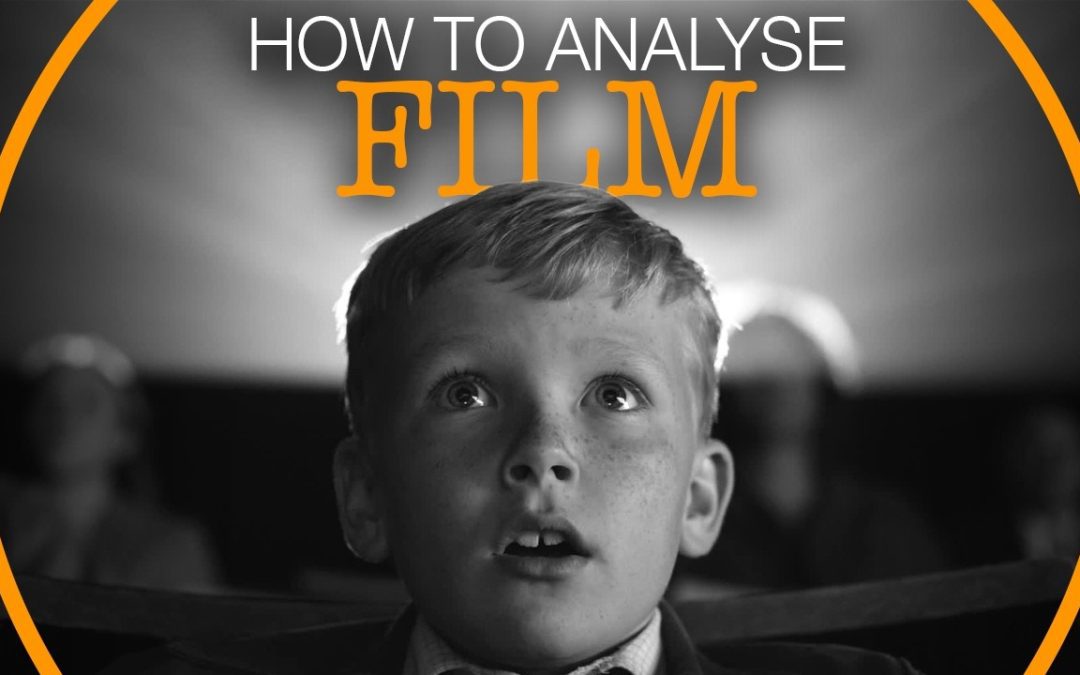
In the world of cinema, iconic film scenes often transcend time, leaving an indelible mark on audiences and influencing generations of filmmakers. Analyzing these moments not only deepens our appreciation for the art of storytelling but also enhances our understanding of cinematic techniques and themes. In this article, we will explore essential tips for dissecting these unforgettable scenes, empowering you to uncover the layers of meaning and craftsmanship that make them truly unforgettable. Whether you’re a budding filmmaker or a passionate film enthusiast, these insights will elevate your viewing experience and inspire your own creative endeavors.
What makes a film scene truly iconic?
An iconic film scene is memorable due to its emotional impact, strong visuals, compelling characters, and significant narrative moments that resonate with audiences.
What are some effective techniques for analyzing iconic film scenes?
Analyzing iconic film scenes requires a blend of attentive observation and critical thinking. One effective technique is to break down the visual composition, paying close attention to elements like framing, lighting, and color palettes. By examining how these aspects contribute to the mood and tone, viewers can gain insights into the filmmakers’ intentions. Additionally, considering the use of camera angles and movement can reveal how these choices guide audience emotions and perceptions, making the scene more impactful.
Another powerful approach is to explore the narrative context surrounding the scene. Understanding character motivations, plot developments, and thematic undercurrents enhances the analysis, allowing for a deeper appreciation of the scene’s significance within the larger story. Examining dialogue, sound design, and music also adds layers to the interpretation, as these elements can heighten tension or evoke nostalgia. By combining visual and narrative analysis, one can uncover the intricate craftsmanship behind iconic film moments, enriching the overall viewing experience.
How can I identify the thematic elements in a film scene?
To identify thematic elements in a film scene, start by observing the visual and auditory components that convey meaning. Pay attention to the setting, colors, and lighting, as these can evoke specific emotions and highlight key themes. Additionally, listen for dialogue and sound design, which often reveal underlying messages or character motivations. By analyzing these elements, you can better understand the filmmaker’s intentions and the scene’s contribution to the overall narrative.
Next, consider the characters’ actions and interactions, as they often embody the central themes of the film. Look for symbolism in their behaviors and relationships, as well as any recurring motifs that might suggest deeper meanings. Reflecting on the emotional responses elicited by the scene can also provide insight into its thematic significance. By combining your observations of both the technical aspects and character dynamics, you’ll gain a clearer perspective on the thematic elements that shape the film’s story.
What role does cinematography play in the impact of an iconic film scene?
Cinematography serves as the visual backbone of an iconic film scene, shaping not only the mood and tone but also the audience’s emotional response. Through the strategic use of lighting, camera angles, and composition, cinematographers can create a sense of intimacy or distance, guiding viewers to feel exactly what the filmmakers intend. For instance, a close-up shot can evoke deep empathy for a character, while sweeping wide shots can instill a sense of awe or isolation, making the visuals a powerful storytelling tool.
Moreover, the choice of color palette and movement can enhance the thematic elements of a scene, reinforcing the narrative’s core message. Iconic moments often leverage these techniques to create lasting impressions, whether through striking contrasts or fluid camera movements that heighten tension. By meticulously crafting each visual element, cinematography not only elevates the aesthetic quality of a film but also etches memorable scenes into the audience’s collective consciousness, transforming them into cultural milestones.
Unveiling the Art Behind Cinematic Moments
Cinematic moments are a delicate blend of storytelling, emotion, and visual artistry, each frame meticulously crafted to evoke a profound response from the audience. Directors and cinematographers work in harmony, utilizing light, color, and composition to create an atmosphere that immerses viewers in the narrative. Sound design, too, plays a esencial role, enhancing the emotional weight of pivotal scenes and drawing viewers deeper into the experience. This intricate dance of elements transforms mere footage into a powerful art form, where every detail serves a purpose, capturing the essence of human experience and leaving an indelible mark on the hearts and minds of those who watch.
Decoding the Language of Film Through Key Scenes
In the realm of cinema, key scenes serve as the heartbeat of storytelling, encapsulating the essence of characters and themes in a single moment. These pivotal sequences often reveal the underlying emotions and motivations that drive the narrative forward, using visual and auditory elements to create a profound impact. By analyzing the choices made in cinematography, dialogue, and sound design, viewers can decode the intricate language of film, uncovering layers of meaning that enrich their understanding. Each frame, carefully crafted, invites audiences to engage deeply, transforming passive viewing into an immersive experience that resonates long after the credits roll. Through these moments, filmmakers not only tell a story but also evoke feelings, challenge perceptions, and inspire conversations, making cinema a powerful medium for connection and reflection.
Your Guide to Understanding Iconic Movie Moments
Iconic movie moments transcend the screen, etching themselves into the fabric of popular culture and collective memory. These scenes often encapsulate universal themes of love, courage, and triumph, resonating with audiences long after the credits roll. From the heart-stopping chase sequences to the poignant exchanges between characters, these defining moments are crafted with precision, combining striking visuals, evocative soundtracks, and powerful performances that elevate storytelling to an art form.
Understanding these moments involves delving into the cinematic techniques that make them unforgettable. Directors, writers, and actors collaborate to create a visceral experience, using elements like lighting, pacing, and dialogue to evoke emotion. By analyzing the choices made in these scenes, viewers can appreciate the artistry behind the magic, gaining insight into what makes a film truly memorable. Whether it’s a climactic showdown or a tender embrace, each iconic moment serves as a reminder of the transformative power of cinema.
Transforming Observation into Insightful Analysis
In a world overflowing with data, the ability to transform raw observation into actionable insights has become paramount. Organizations today are inundated with information from various sources, making it essential to sift through the noise to extract meaningful patterns. By adopting a systematic approach to observation, businesses can identify trends that not only inform decision-making but also drive innovation and growth.
Harnessing advanced analytical tools and techniques allows teams to deepen their understanding of consumer behaviors and market dynamics. This transition from mere observation to insightful analysis empowers organizations to anticipate changes, tailor strategies, and enhance customer experiences. By focusing on key metrics and leveraging data visualization, teams can communicate their findings effectively, turning complex information into clear narratives that resonate with stakeholders.
Ultimately, transforming observation into insightful analysis is about fostering a culture of curiosity and continuous improvement. Encouraging teams to ask the right questions and explore data from multiple perspectives can lead to groundbreaking insights. In a landscape where adaptability is esencial, organizations that prioritize this transformation will not only stay ahead of the competition but also unlock new opportunities for success.
Elevate Your Film Critique with Expert Techniques
Unlock the power of insightful film critique by honing your analytical skills with expert techniques that elevate your understanding. Begin by immersing yourself in the film’s context, examining its themes, cinematography, and character development to uncover deeper meanings. Engage with the narrative structure and pacing, allowing you to articulate how these elements influence audience perception and emotional engagement. Finally, incorporate comparative analysis with other works in the genre to enrich your perspective, fostering a well-rounded critique that resonates with both casual viewers and seasoned cinephiles. Embrace these strategies to transform your film reviews into compelling narratives that captivate and inform.
Mastering the art of analyzing iconic film scenes allows viewers to deepen their appreciation for cinema and uncover the layers of storytelling, emotion, and technique that filmmakers weave into their work. By applying these tips—paying attention to visual composition, sound design, and character dynamics—you can transform your viewing experience into a thoughtful exploration of artistic expression. Embrace the power of these insights, and let each scene inspire new perspectives and discussions among fellow film enthusiasts.
