
In today’s digital landscape, mastering audio design essentials is more vital than ever for creators looking to elevate their projects. Whether you’re crafting a podcast, producing music, or designing sound for video games, understanding the fundamentals of audio design can transform your work from good to extraordinary. This article explores the key principles and techniques that will empower you to create captivating soundscapes, ensuring your audience is not just listening, but fully immersed in your creative vision.
What are key techniques in audio design essentials?
Key techniques in audio design essentials include sound mixing, equalization, dynamic range control, sound layering, and spatial effects to enhance audio quality and listener experience.
What are the key principles of audio design that I should understand when mastering audio?
When mastering audio, understanding the balance between loudness and dynamics is vital. Loudness refers to how perceptibly loud a track is, while dynamics represent the difference between the softest and loudest parts of the audio. Striking the right balance ensures that the track maintains its emotional impact without sacrificing clarity. Utilizing tools like compression and limiting can help achieve an optimum loudness while preserving the dynamic range, giving the listener an engaging experience.
Another key principle is the importance of frequency management. Every audio track operates within a frequency spectrum, and mastering involves ensuring that these frequencies coexist harmoniously. This includes identifying and addressing any frequency clashes, using equalization to enhance or reduce specific ranges, and creating a cohesive sound. A well-balanced frequency spectrum will not only improve the clarity of individual elements but also enhance the overall mix, making the audio more appealing across various playback systems.
Finally, the spatial aspect of audio design cannot be overlooked. This involves the use of stereo imaging and reverb to create a sense of space and depth in the mix. Mastering engineers often manipulate the stereo field to ensure that sounds are well-distributed, providing an immersive listening experience. By carefully considering the spatial arrangement and how elements interact within both mono and stereo contexts, you can elevate the final product, making it sound polished and professional.
How can I effectively use equalization and compression in the mastering process?
Equalization and compression are essential tools in the mastering process, allowing you to enhance the overall sound of your track while ensuring clarity and balance. Equalization helps sculpt the frequency spectrum by boosting or cutting specific ranges. By carefully addressing problematic frequencies, you can create a more polished sound. For instance, reducing muddiness in the low midrange can give your track more clarity, while gently enhancing the high frequencies can add brightness and presence. The key is to make subtle adjustments, as excessive EQ changes can lead to an unnatural sound.
Compression, on the other hand, plays a vital role in controlling dynamics and achieving a cohesive sound. By applying compression, you can reduce the difference between the loudest and softest parts of your mix, resulting in a more uniform level throughout the track. This not only helps maintain listener engagement but also prepares the track for various playback systems. To maximize effectiveness, consider using a slow attack time to allow transients to cut through while still providing overall density.
Combining equalization and compression strategically can elevate your mastering process to new heights. Start with equalization to create a balanced frequency spectrum, followed by careful compression to enhance dynamic control. Remember to constantly reference your track on different speakers and environments to ensure it translates well across various platforms. With practice and attention to detail, you can achieve a mastered track that sounds polished and professional.
What tools and software are recommended for mastering audio design?
To master audio design effectively, a combination of Digital Audio Workstations (DAWs) and specialized software tools is essential. Popular DAWs like Ableton Live, Logic Pro, and Pro Tools provide robust environments for recording, editing, and mixing audio. These platforms offer a wide range of built-in plugins and support for third-party VSTs, allowing sound designers to manipulate audio creatively and efficiently. Additionally, tools like iZotope Ozone and Waves plugins are invaluable for mastering, providing professional-grade effects and mastering suites that enhance the final output.
Incorporating sound design software such as Native Instruments Komplete or Spectrasonics Omnisphere can further elevate your audio projects. These tools offer extensive libraries of sounds and samples, along with powerful synthesis capabilities. Furthermore, using audio analysis tools like SPAN or TDR Nova enables designers to visualize and refine their soundscapes, ensuring a polished and professional finish. By leveraging these diverse tools and software, audio designers can hone their skills and achieve exceptional results in their projects.
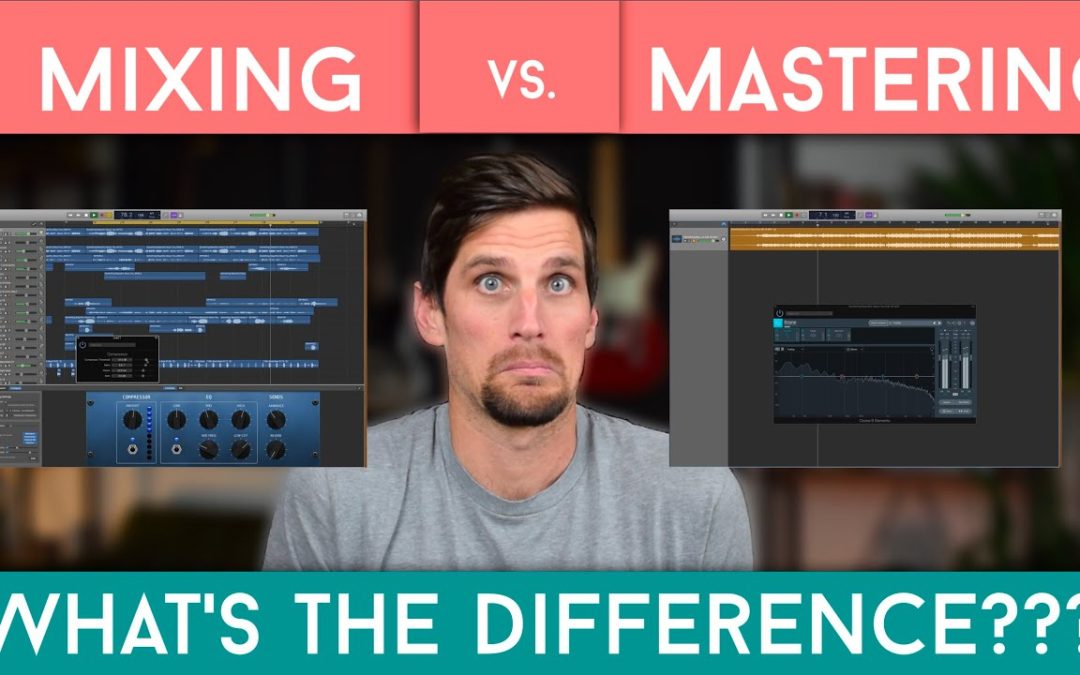
How does mastering differ from mixing in the audio production process?
Mastering and mixing are two distinct stages in the audio production process, each playing a critical role in creating a polished final product. Mixing involves combining and adjusting individual audio tracks, focusing on elements like balance, EQ, and effects to create a harmonious sound. This stage is where the creative vision takes shape, allowing the producer to emphasize specific instruments or vocals and establish the overall atmosphere of the piece.
In contrast, mastering is the final step that ensures the track sounds its best across all playback systems. This process involves fine-tuning the mixed audio by adjusting levels, enhancing clarity, and applying compression and limiting to achieve a cohesive sound. Mastering also includes preparing the audio for distribution, ensuring that it meets industry standards for loudness and quality. While mixing is about creativity and expression, mastering focuses on technical precision and polish, making both essential for a successful audio production.
Unlock Your Sound Potential
Discover the transformative power of sound and elevate your auditory experience to new heights. Whether you’re a budding musician, a seasoned producer, or simply an enthusiast, unlocking your sound potential opens the door to creativity and expression. With the right tools and techniques, you can harness the nuances of tone, rhythm, and harmony to create captivating audio that resonates with your audience.
Embrace innovative technologies and immersive practices that will enhance your sonic landscape. From exploring advanced recording techniques to mastering the art of mixing, each step you take brings you closer to realizing your unique sound identity. Join a community of like-minded individuals and share your journey, as together, you unlock the limitless possibilities that lie within your sound potential.
Crafting Immersive Audio Experiences
In a world increasingly dominated by visual stimuli, the power of sound can often be overlooked. Crafting immersive audio experiences involves more than just high-quality recordings; it requires a deep understanding of the psychological and emotional impact that sound can have on individuals. By carefully layering different audio elements, creators can transport listeners to entirely new environments, evoking feelings of nostalgia, excitement, or serenity. This meticulous attention to detail transforms ordinary moments into extraordinary auditory journeys.
The technological advancements in audio production have opened up a myriad of possibilities for creators. From spatial audio techniques that create a three-dimensional soundscape to the use of binaural recordings that mimic the way humans naturally perceive sound, the tools available today allow for unprecedented levels of creativity. These innovations enable artists, filmmakers, and marketers to engage their audiences in ways that resonate on a profound level, fostering connections that visuals alone may struggle to achieve.
As the demand for captivating audio content continues to grow, the importance of mastering sound design cannot be overstated. Whether it’s for a film, a podcast, or an interactive experience, the ability to craft an engaging audio experience can set a project apart in a crowded marketplace. By prioritizing sound as a fundamental element of storytelling and engagement, creators can ensure that their work not only captures attention but also leaves a lasting impression, enriching the overall experience for their audience.
The Art and Science of Sound Mastery
Sound mastery is a dynamic blend of artistic expression and scientific precision. At its core, it involves understanding the intricate relationship between frequencies, rhythms, and the emotional responses they evoke. Artists and audio engineers alike strive to create immersive experiences that resonate with listeners, whether through music, film, or live performances. This delicate balance allows creators to manipulate sound waves to craft a unique auditory landscape, transforming mere noise into profound storytelling.
The technical foundations of sound mastery are equally vital, encompassing acoustics, mixing techniques, and sound design principles. By mastering these elements, professionals can enhance clarity and depth, ensuring that every note and nuance is delivered with impact. This synergy between art and science not only elevates the listening experience but also fosters innovation in the industry, paving the way for new genres and technologies. Ultimately, the journey of sound mastery is one of exploration, where creativity meets technical skill to create unforgettable auditory experiences.
Mastering Audio Design Essentials empowers creators to elevate their projects, transforming ordinary soundscapes into captivating auditory experiences. By harnessing the principles of sound design, mixing, and mastering, artists can unlock their full potential and engage audiences like never before. Embracing these techniques not only enhances creativity but also fosters a deeper connection with listeners, making every sound deliberate and impactful. The journey to mastery begins with a commitment to continuous learning and experimentation, ensuring that your audio designs resonate long after the final note fades.
