
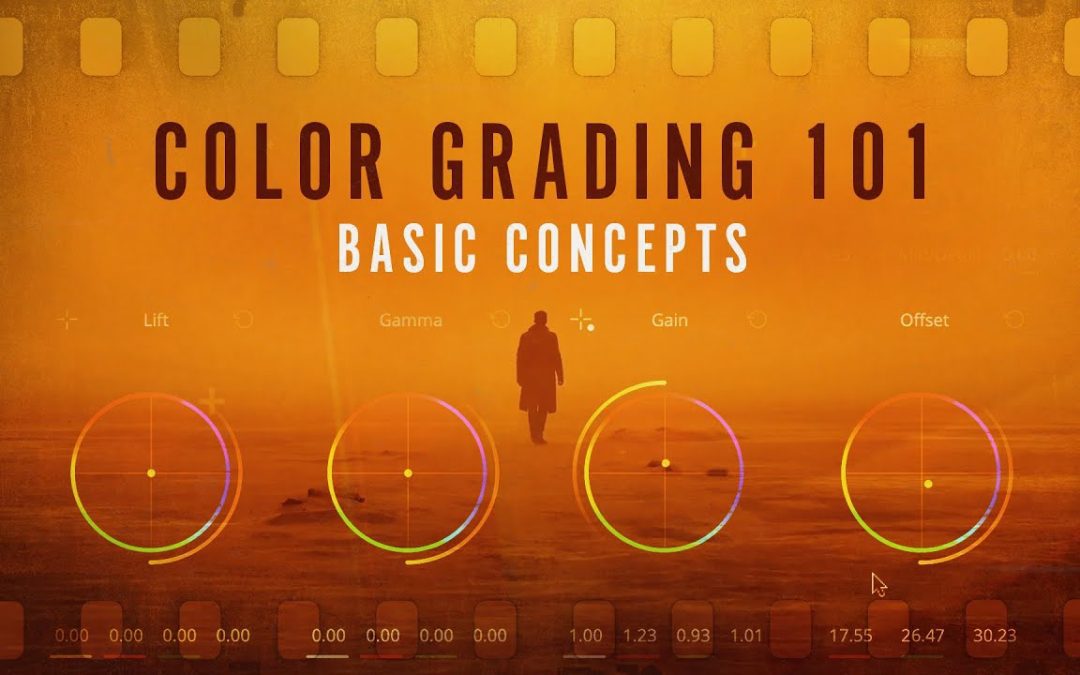
Color grading is an essential skill for anyone looking to enhance their visual storytelling, whether in film, photography, or digital media. For beginners, understanding the fundamentals of color grading can seem daunting, but it opens the door to a world of creativity and expression. In this article, we’ll break down what you need to know about color grading, from basic concepts to practical tips, helping you elevate your projects and bring your unique vision to life.
What are the basics of color grading?
Color grading involves adjusting brightness, contrast, saturation, and color balance to enhance visuals, create mood, and ensure consistency across scenes in video and photography.
- Understanding the Basics: Color grading involves adjusting the color and brightness of your footage to enhance its visual appeal and convey the desired mood or atmosphere. Beginners should familiarize themselves with concepts like color theory, color wheels, and the primary adjustments of contrast, saturation, and hue.
- Choosing the Right Software: Various software options are available for color grading, ranging from professional tools like DaVinci Resolve and Adobe Premiere Pro to simpler applications. Beginners should select a program that fits their skill level and project needs while considering features like user interface and available tutorials.
- Practice and Experimentation: Color grading is both an art and a science, requiring practice to develop an eye for color corrections. Beginners should experiment with different looks and styles, study examples from films or videos they admire, and learn from feedback to improve their skills over time.
What is color grading, and why is it important for video production?
Color grading is the process of adjusting and enhancing the colors in a video to achieve a desired aesthetic or mood, ensuring visual consistency and depth throughout the footage. This technique is vital in video production as it not only helps to convey emotions and storytelling but also elevates the overall quality and professionalism of the final product. By manipulating color tones, contrast, and brightness, filmmakers can create a more immersive experience for viewers, making the visuals more engaging and impactful. Ultimately, effective color grading can transform ordinary footage into a stunning visual narrative that resonates with audiences.
What software and tools do beginners need to start color grading their videos?
For beginners venturing into the world of color grading, having the right software is essential to achieve professional-looking results. One of the most popular choices is DaVinci Resolve, which offers a robust free version packed with powerful features. Its user-friendly interface and comprehensive tutorials make it accessible for newcomers while providing advanced tools for more experienced users. Another excellent option is Adobe Premiere Pro, known for its seamless integration with other Adobe products, allowing for a smooth workflow when editing and color grading.
In addition to software, beginners should consider investing in color grading tools that enhance their workflow. A color calibration tool, such as the SpyderX, ensures that your monitor displays colors accurately, which is fundamental for precise grading. Furthermore, using LUTs (Look-Up Tables) can simplify the grading process by providing instant color adjustments and creative looks. Many websites offer free or affordable LUTs, making it easy to experiment and find a style that suits your project.
Finally, it’s important to familiarize yourself with basic color theory and the principles of color grading. Understanding concepts like color wheels, contrast, and saturation will empower you to make informed decisions while grading. Numerous online resources, including video tutorials and forums, can provide valuable insights and tips. With the right software, tools, and knowledge, beginners can effectively start their journey in color grading, transforming ordinary footage into captivating visual narratives.
Transform Your Footage with Simple Techniques
Unlock the full potential of your footage with a few simple techniques that can elevate your visual storytelling. By mastering basic editing skills such as color correction, cutting, and transitions, you can turn ordinary clips into captivating narratives. Experimenting with lighting adjustments and sound enhancements can add depth and emotion, making your content more engaging for viewers. With just a few tweaks, you can transform mundane scenes into powerful moments that resonate and leave a lasting impact. Embrace these techniques to bring your creative vision to life and captivate your audience like never before.
Master the Art of Color Correction
Color correction is a vital skill that transforms ordinary images into stunning visual narratives. By understanding the fundamentals of color theory and utilizing tools like histograms and color wheels, you can enhance the mood and clarity of your photographs or videos. Mastering this art involves not just adjusting hues and saturation, but also ensuring consistency across your work, allowing your creative vision to shine through. With practice and a keen eye for detail, you can elevate your projects, making them not only visually appealing but also emotionally resonant. Embrace the challenge of color correction, and watch your artistry flourish.
Enhance Your Visual Storytelling Skills
In today’s fast-paced digital landscape, the ability to convey a message visually has never been more fundamental. Whether you are a marketer, educator, or creative professional, mastering visual storytelling can significantly elevate your content’s impact. By combining compelling images with thoughtful narratives, you can engage your audience on a deeper level, making your message not just seen, but felt.
Utilizing a variety of visual elements—such as infographics, videos, and photography—allows you to cater to different learning styles and preferences. Each format carries its own strengths; for example, infographics simplify complex data while videos can evoke emotions more powerfully. By strategically choosing the right visuals for your story, you can enhance comprehension and retention, ensuring your audience walks away with a clear understanding of your message.
Moreover, consistency in your visual style plays a vital role in building brand identity and trust. Establishing a cohesive aesthetic across your platforms not only makes your content recognizable but also reinforces your narrative. By honing your visual storytelling skills, you can create a lasting impression that resonates with your audience, fostering engagement and loyalty that transcends the initial interaction.
Unlock the Secrets to Vibrant Imagery
Discover the art of capturing stunning, vibrant imagery by mastering the interplay of light, color, and composition. By understanding the golden hours of natural light, you can transform ordinary scenes into breathtaking landscapes, while experimenting with color theory brings depth and emotion to your photographs. Composition techniques, such as the rule of thirds and leading lines, guide the viewer’s eye and create a compelling visual narrative. Whether you’re a novice or an experienced photographer, unlocking these secrets will elevate your work, allowing you to tell stories that resonate and inspire.
Mastering color grading is an essential skill for any aspiring filmmaker or content creator. By understanding the fundamentals and experimenting with various techniques, beginners can elevate their visual storytelling and create captivating imagery that resonates with audiences. Embracing this art form not only enhances the aesthetic quality of your work but also allows for greater emotional expression, making your projects stand out in a competitive landscape. Dive in, practice, and watch your creative vision come to life through the power of color.
