
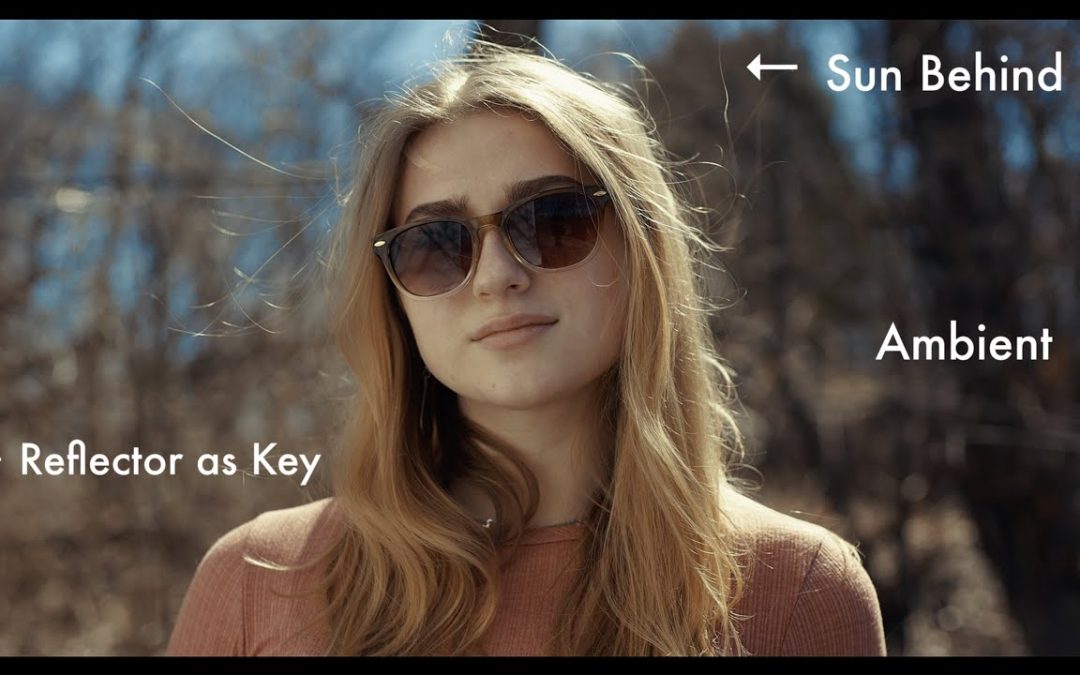
In the world of photography, mastering the art of shooting in natural light can elevate your images from ordinary to extraordinary. This technique harnesses the beauty of sunlight, casting soft shadows and vibrant colors that artificial lighting often struggles to replicate. Whether you’re a seasoned photographer or a beginner, exploring shooting in natural light opens up a realm of creative possibilities, allowing you to capture stunning moments with authenticity and warmth. Join us as we delve into the tips and tricks that will help you make the most of this natural resource, transforming your photography into a captivating visual narrative.
How can I optimize shooting in natural light?
To optimize shooting in natural light, choose the golden hour, use reflectors for balance, and adjust your camera settings for exposure and white balance.
What are the best times of day for shooting in natural light?
The best times of day for shooting in natural light are often referred to as the golden hours, which occur shortly after sunrise and just before sunset. During these times, the sun is low on the horizon, casting a warm, soft glow that enhances the natural beauty of subjects. This diffused light minimizes harsh shadows and creates a more flattering appearance, making it ideal for portrait photography and landscapes alike.
Midday, when the sun is directly overhead, is generally less favorable for shooting due to the harsh, unforgiving light it produces. However, opportunities still exist; shooting in shaded areas or using reflectors can help soften the light and reduce contrast. Additionally, experimenting with the angles and compositions can yield unique results, turning challenges into creative advantages.
As the day transitions into twilight, the blue hour emerges, providing another exceptional opportunity for photographers. The sky takes on vibrant hues, offering a stunning backdrop for various subjects. This period is perfect for capturing cityscapes or outdoor events, as the interplay of fading natural light and artificial illumination creates a magical and dynamic atmosphere. By understanding the nuances of these times, photographers can elevate their work and capture breathtaking images.
How can I effectively use natural light to enhance my photography?
To effectively use natural light in your photography, start by observing how it changes throughout the day, as the golden hours—just after sunrise and before sunset—offer the softest and most flattering illumination. Position your subjects to take advantage of diffused light on overcast days, which reduces harsh shadows and highlights features beautifully. Experiment with backlighting to create striking silhouettes or use reflectors to bounce light onto your subject, adding depth and dimension. Lastly, consider the direction of light; side lighting can enhance textures and shapes, while front lighting can create a more even look. By mastering these techniques, you can transform ordinary scenes into captivating images filled with warmth and vibrancy.
What camera settings should I use when photographing in natural light?
When photographing in natural light, it’s essential to prioritize your camera settings to capture the best possible images. Start by setting your ISO between 100 and 400 to minimize noise and maintain image clarity. Use a wide aperture, like f/2.8 or f/4, to create a beautiful depth of field, allowing your subject to stand out against a softly blurred background. Adjusting your shutter speed to at least 1/125 seconds will help freeze motion, especially in dynamic outdoor settings.
Additionally, consider the time of day when planning your shoot. The golden hours—shortly after sunrise and before sunset—offer soft, warm light that enhances your images. Utilize spot metering to ensure your subject is correctly exposed, especially in high-contrast situations. Don’t forget to experiment with different angles and compositions to make the most of the available light, allowing your creativity to shine through.
How do weather conditions affect natural light photography?
Weather conditions play a primordial role in shaping the quality and mood of natural light photography. Overcast skies, for instance, diffuse sunlight, creating soft, even lighting that reduces harsh shadows, ideal for portrait and landscape photography. In contrast, bright sunny days can produce strong contrasts and vibrant colors, but may also lead to overly harsh highlights. Rain can add a unique atmosphere, enhancing colors and providing reflections that enrich compositions. Additionally, the golden hours—just after sunrise and before sunset—offer warm, soft light that enhances textures and depth, making these times particularly coveted by photographers. Ultimately, understanding and adapting to varying weather conditions can elevate the artistry and impact of natural light photography.
Illuminate Your Images: Unlocking the Secrets of Natural Light
Natural light is a photographer’s most powerful tool, capable of transforming ordinary scenes into extraordinary images. By understanding how sunlight interacts with various environments throughout the day, you can harness its potential to create stunning visuals. The golden hour, just after sunrise and before sunset, offers a warm, diffused glow that enhances colors and adds depth, making it the perfect time for outdoor photography.
To truly master natural light, it’s essential to pay attention to its direction and quality. Side lighting can create dramatic shadows and highlights, adding texture and dimension to your subjects. Meanwhile, overcast days provide a soft, even light that eliminates harsh contrasts, ideal for capturing intricate details without distraction. Experimenting with different times and weather conditions will expand your creative possibilities and enable you to convey mood and atmosphere effectively.
Incorporating natural light into your photography not only elevates your images but also invites viewers to connect with the scene on a deeper level. By embracing the unpredictability of natural light, you can capture authentic moments and tell compelling stories through your lens. As you explore these techniques, remember that practice and patience are key—each shot you take brings you closer to unlocking the full potential of this beautiful, ever-changing element.
Capture the Perfect Moment: Expert Tips for Natural Light Photography
Mastering natural light photography can transform ordinary scenes into stunning works of art. To capture the perfect moment, pay close attention to the quality and direction of light, as golden hour—shortly after sunrise and before sunset—produces soft, warm tones that enhance the beauty of your subject. Experiment with different angles to find the most flattering illumination, and use reflectors or diffusers to soften harsh light when necessary. Additionally, being patient and observant allows you to anticipate fleeting moments, ensuring you’re ready when that perfect shot presents itself. With practice and an understanding of light, you can elevate your photography to new heights.
From Shadows to Highlights: Elevate Your Photography Skills
Photography is an art that thrives on the interplay of light and shadow. Understanding how to manipulate these elements can transform ordinary scenes into striking compositions. By paying close attention to the direction and quality of light, photographers can create depth and texture, bringing images to life. Experimenting with different times of day, particularly the golden hour, allows for stunning contrasts and vibrant colors that elevate your work.
Incorporating techniques such as backlighting and silhouette can further enhance your storytelling through photography. These methods add drama and intrigue, inviting viewers to engage with the emotional undertones of your images. Moreover, learning to harness natural light effectively can lead to remarkable results, as it shapes the mood and atmosphere of each shot. The right lighting can turn a simple subject into a captivating focal point, drawing the viewer’s eye and igniting their imagination.
Finally, post-processing is an essential tool in transitioning from shadows to highlights. Utilizing editing software to adjust exposure, contrast, and saturation can help refine your vision and bring out the best in your photographs. With practice and patience, you can master these techniques to create stunning visual narratives that resonate with your audience. Embrace the journey of exploration and experimentation, and watch your photography skills flourish beyond the ordinary.
Harnessing Sunlight: Transform Your Shots with Natural Light
Natural light can be a photographer’s best friend, offering a unique and dynamic way to enhance your images. By utilizing sunlight effectively, you can create stunning photographs that capture the true essence of your subject. Whether you’re shooting portraits, landscapes, or still life, the golden hour—shortly after sunrise or before sunset—provides soft, warm tones that add depth and vibrancy to your work.
Understanding the direction and quality of natural light is key to achieving beautiful results. Side lighting can create dramatic shadows and highlight textures, while backlighting can produce a magical halo effect around your subjects. Experimenting with different times of day and weather conditions will help you discover the diverse moods that natural light can convey, allowing your creativity to shine through every frame.
Incorporating natural light into your photography not only elevates your images but also allows you to connect with the environment around you. Embrace the spontaneity of outdoor shooting; the ever-changing qualities of light can lead to unexpected and captivating results. By harnessing the power of sunlight, you’ll transform your shots and develop a distinctive style that celebrates the beauty of the world around us.
The Art of Lighting: Mastering Techniques for Stunning Photos
Lighting is the cornerstone of stunning photography, transforming ordinary scenes into extraordinary images. Understanding how to manipulate natural and artificial light can dramatically enhance the mood and depth of your photos. Whether it’s the golden hour glow or the dramatic shadows cast by an overcast sky, mastering these elements allows you to create captivating compositions that resonate with viewers.
One of the most effective techniques is to work with the available light rather than against it. Positioning your subject to take advantage of soft, diffused light can highlight textures and details that might otherwise go unnoticed. Experimenting with backlighting can add a magical quality to your images, creating silhouettes that evoke emotion and intrigue. Knowing when and how to use reflectors and diffusers can also elevate your photography, allowing you to control the light and enhance your subject.
Incorporating artificial lighting opens up a world of creative possibilities. From softboxes to speedlights, the right tools can help you achieve the desired effect in any setting. Learning to balance ambient light with your artificial sources creates a seamless integration that feels natural and engaging. By combining these techniques, photographers can develop a unique style that not only captures a moment but also tells a compelling story through the art of light.
Mastering the art of shooting in natural light transforms everyday scenes into captivating visual narratives. By understanding the nuances of light and harnessing its ever-changing qualities, photographers can elevate their work, capturing moments that resonate with authenticity and emotion. Embrace the outdoors, experiment with different times of day, and let the beauty of natural light inspire your creativity. With practice and patience, your lens can become a powerful tool for storytelling in the most organic way possible.
