
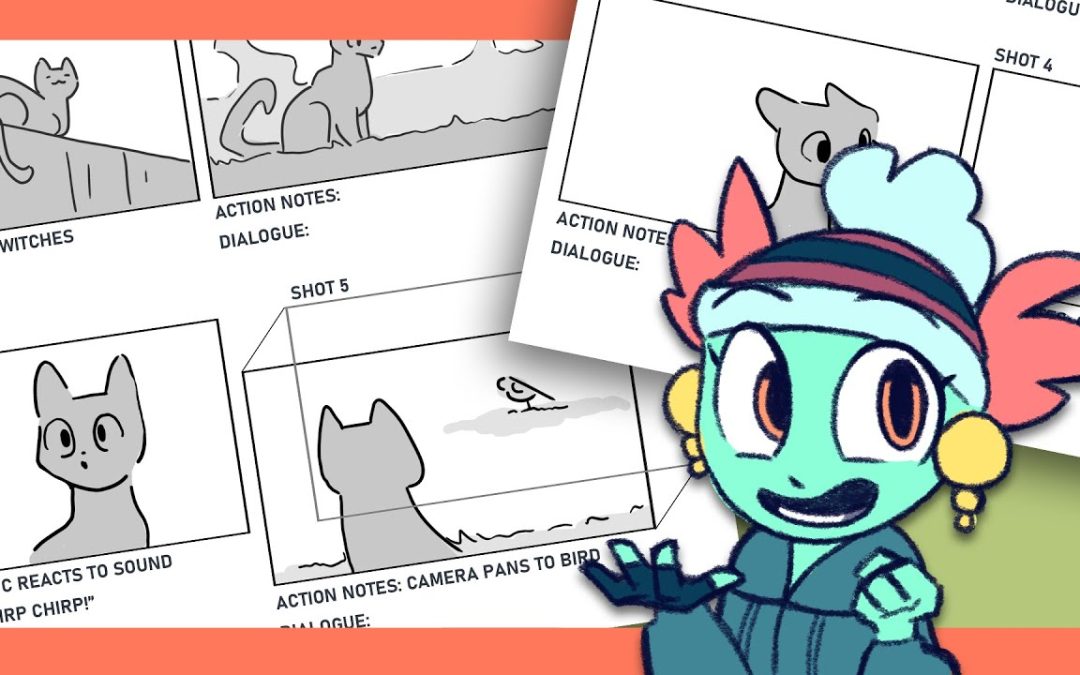
Unlock the secrets of storytelling with Revealing Storyboarding Like a Pro. This article delves into the art and science of storyboarding, a fundamental step in the creative process that transforms ideas into captivating visual narratives. Whether you’re a seasoned filmmaker, an aspiring animator, or simply looking to enhance your storytelling skills, mastering this technique will elevate your projects to new heights. Join us as we explore essential tips, industry insights, and practical tools that will empower you to storyboard with confidence and creativity.
What are key tips for effective storyboarding?
Focus on clear visuals, maintain consistent character design, outline key scenes, use simple sketches, and consider pacing to enhance storytelling.
What are the key elements of effective storyboarding in the context of revealing a narrative?
Effective storyboarding is a fundamental step in the narrative development process, serving as a visual blueprint for storytelling. At its core, a well-structured storyboard captures the essence of the narrative by breaking it down into key scenes and sequences. This allows creators to visualize character arcs, plot points, and emotional beats, ensuring that each element aligns cohesively. The organization of visuals, dialogue, and actions fosters a clear understanding of the story’s flow, making it easier to identify pacing and transitions.
Another vital element of effective storyboarding is the emphasis on visual storytelling techniques. By utilizing composition, color schemes, and camera angles, storyboards can evoke specific emotions and highlight important themes. These visual cues guide the audience’s attention and enhance the narrative’s impact. Furthermore, incorporating annotations for sound design and music can also enrich the storytelling experience, adding layers that resonate with viewers on multiple levels.
Collaboration is equally important in the storyboarding process, as it invites input from various creative voices, fostering a more dynamic narrative. Engaging writers, artists, and directors in discussions about each scene helps refine ideas and ensures that the storyboard reflects a shared vision. This collective effort not only strengthens the narrative but also encourages innovative solutions to potential challenges, ultimately resulting in a more compelling and effective story that captivates the audience.
How can I improve my storyboarding skills to enhance my storytelling capabilities?
To improve your storyboarding skills, start by studying the fundamentals of visual storytelling. Familiarize yourself with key elements such as framing, perspective, and pacing. Analyze storyboards from films, comics, or animations that resonate with you, paying attention to how they convey emotions and actions. Practice sketching your ideas regularly, focusing on clarity and composition. This will help you translate your narrative into a visual format, making it easier to communicate your vision to others.
Additionally, seek feedback from peers or mentors who can provide constructive criticism on your storyboards. Collaborating with writers, directors, or fellow artists can offer fresh perspectives and inspire new techniques. Experiment with different styles and formats, allowing your creativity to flourish. By actively refining your storyboarding process and incorporating diverse influences, you will enhance your storytelling capabilities and create more engaging narratives.
What tools and software are recommended for professional storyboarding?
For professional storyboarding, a variety of tools and software can enhance the creative process and streamline workflow. Popular options like Storyboard Pro and Toon Boom offer comprehensive features tailored for animators and filmmakers, allowing users to create detailed panels, add notes, and even incorporate timing elements. Additionally, Adobe Photoshop remains a favorite for its versatile drawing capabilities, while applications like Celtx provide collaborative environments for scriptwriting and visual planning, making it easier to bring stories to life.
In recent years, cloud-based tools like Boords and Storyboard Fountain have gained traction, enabling teams to work together seamlessly from different locations. These platforms often include templates and drag-and-drop interfaces, simplifying the storyboard creation process. Ultimately, the choice of software will depend on individual preferences and project requirements, but leveraging these innovative tools can significantly enhance the efficiency and quality of professional storyboarding.
Can you provide tips for creating a storyboard that effectively conveys complex ideas?
Creating an effective storyboard begins with a clear understanding of the complex ideas you wish to convey. Start by breaking down the concepts into manageable components. Identify the key messages and themes that need to be communicated, and outline each segment of your storyboard to reflect these elements. This foundational step ensures that your audience can easily grasp the intricate ideas you aim to present.
Next, utilize visuals strategically to enhance comprehension. Incorporate diagrams, illustrations, or symbols that represent the core concepts, making them more accessible. A well-structured sequence of images, paired with concise text, can guide viewers through the narrative without overwhelming them. Maintain a consistent style throughout the storyboard to foster a cohesive flow, allowing the audience to focus on the content rather than being distracted by varying formats.
Lastly, consider the pacing and transitions between scenes. Use visual cues and narrative arcs to smoothly lead the viewer from one idea to the next, ensuring a logical progression. Including moments for reflection or recap can help reinforce the information and clarify any potentially confusing aspects. By prioritizing clarity, visual appeal, and logical structure, your storyboard will effectively communicate even the most complex ideas to your audience.
Unlock Your Creative Vision with Expert Techniques
Unleashing your creative vision begins with mastering a few expert techniques that can transform your ideas into reality. By exploring diverse methods such as mind mapping, visual storytelling, and iterative brainstorming, you can enhance your ability to think outside the box and develop innovative solutions. Embrace the power of collaboration, seek feedback, and allow yourself the freedom to experiment without fear of failure. With these tools at your disposal, you’ll not only clarify your artistic direction but also ignite a passion for creativity that propels your projects to new heights.
Elevate Your Projects Through Effective Storytelling
In a world saturated with information, effective storytelling becomes a powerful tool to elevate your projects and captivate your audience. By weaving a compelling narrative that resonates emotionally, you can transform complex ideas into relatable experiences, making your message not only memorable but also impactful. Engaging storytelling invites your audience to become part of the journey, fostering a deeper connection and encouraging active participation. As you craft your project, remember that every detail—from the characters to the challenges—should serve the overarching narrative, ensuring clarity and purpose. Ultimately, harnessing the art of storytelling can turn your vision into a shared experience, leading to greater engagement and success.
Transform Ideas into Compelling Visual Narratives
In a world brimming with information, the ability to transform ideas into compelling visual narratives has never been more fundamental. By harnessing the power of imagery, color, and design, we can distill complex concepts into engaging stories that resonate with diverse audiences. This visual storytelling not only captures attention but also fosters a deeper understanding, allowing viewers to connect emotionally with the message. Through innovative techniques, we can elevate simple ideas into memorable experiences, making them not just seen, but felt. Embrace this transformative approach to communication and watch as your ideas come to life in vibrant, impactful ways.
A Step-by-Step Guide to Professional Storyboarding
Storyboarding is an essential tool in visual storytelling, allowing creators to map out their narratives in a clear and concise manner. To begin, gather your ideas and define the core message of your story. This initial brainstorming phase sets the foundation for your storyboard, ensuring that each frame serves a purpose and contributes to the overall narrative arc. Consider the emotions you wish to evoke and the key moments that will drive your plot forward.
Once you have a solid concept, start sketching the scenes. You don’t need to be an artist; simple stick figures and basic shapes can effectively represent your vision. Focus on framing, composition, and the sequence of events. Each drawing should capture the essence of the scene and convey the intended action or dialogue. Remember to include notes about camera angles, transitions, and sound cues, as these details will help you visualize how the story unfolds on screen.
After completing your sketches, it’s time to refine and organize your storyboard. Review your frames in sequence, ensuring that the flow of the narrative feels natural and engaging. Solicit feedback from peers or mentors, as fresh perspectives can enhance your story’s clarity and impact. With a polished storyboard in hand, you’re now equipped to bring your vision to life, whether through animation, film, or other media, making your storytelling process more efficient and effective.
Mastering the art of storyboarding transforms the creative process, allowing ideas to take shape with clarity and purpose. By embracing techniques that enhance visualization and organization, you can elevate your storytelling to new heights. Whether you’re a seasoned professional or an aspiring creator, revealing storyboarding like a pro empowers you to capture your audience’s imagination and communicate your vision effectively. Dive into this dynamic tool and unlock the full potential of your narratives.
