
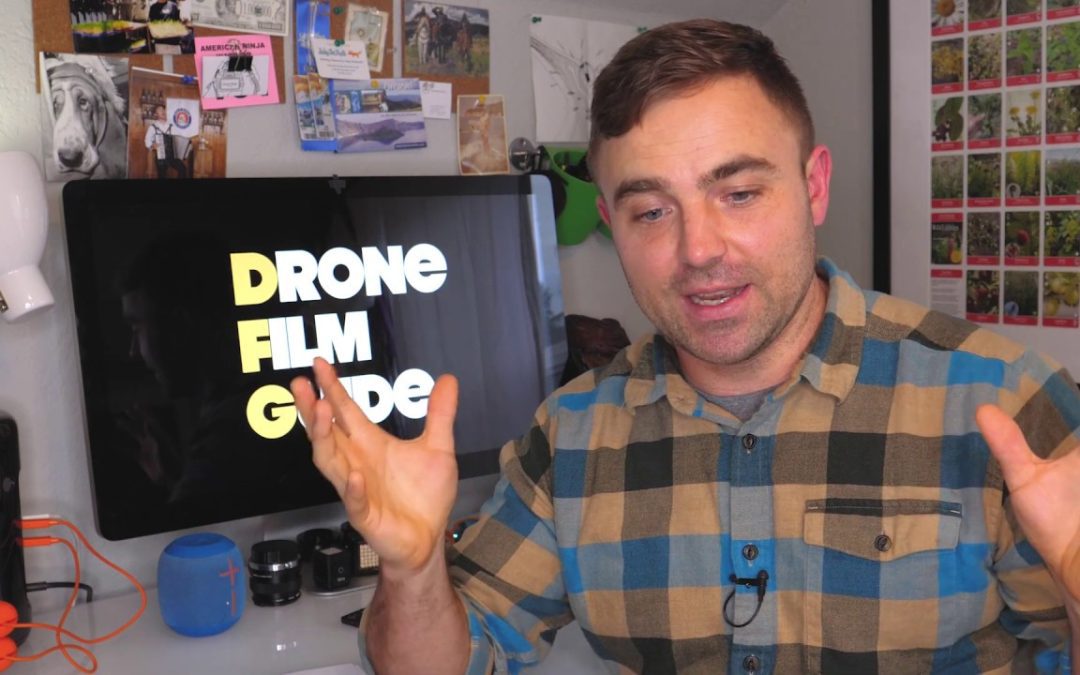
Drones have revolutionized the world of filmmaking, offering breathtaking aerial perspectives and innovative storytelling techniques that were once reserved for high-budget productions. As filmmakers increasingly turn to this technology, understanding how to approach using drones effectively becomes essential. From selecting the right equipment to mastering aerial cinematography techniques, filmmakers can elevate their projects and captivate audiences with stunning visuals. This article explores key strategies and best practices for incorporating drones into your filmmaking toolkit, ensuring you harness their full potential while navigating the creative and technical challenges they present.
What are key tips for drone filmmaking success?
Plan your shots, understand drone regulations, practice flying skills, use ND filters for better exposure, and incorporate dynamic movements for engaging footage.
What are the basic regulations I should know when using drones for filmmaking?
When using drones for filmmaking, it is essential to familiarize yourself with local regulations to ensure a safe and legal operation. Most countries require drone operators to register their drones with aviation authorities and obtain a license if the drone exceeds a certain weight. Additionally, understanding airspace classifications is clave, as flying in restricted areas can lead to legal repercussions. Always check for any temporary flight restrictions, especially near airports or during special events.
Safety is a top priority in drone filmmaking. Operators should maintain a safe distance from people, vehicles, and structures to minimize risks. It is recommended to fly at a maximum altitude of 400 feet to avoid conflicts with manned aircraft. Moreover, pre-flight checks are vital to ensure that the drone is in proper working condition, including battery levels, camera equipment, and GPS functionality. Following these safety measures not only protects your crew and the public but also enhances the quality of your shoot.
Respecting privacy laws is another critical aspect of using drones for filmmaking. Be aware of regulations regarding filming in public versus private spaces. Obtaining permission from property owners and ensuring that you are not infringing on individuals’ privacy rights is essential to avoid potential legal issues. Additionally, consider notifying the local community about your filming activities, as this can help foster goodwill and reduce concerns about drone usage in the area. By adhering to these regulations, you can create compelling films while maintaining compliance and respect for your surroundings.
How can I effectively plan my shots when incorporating drones into my film projects?
Incorporating drones into your film projects can elevate your storytelling by providing breathtaking aerial perspectives, but effective shot planning is clave to maximize their potential. Begin by outlining your narrative and identifying key scenes that would benefit from aerial views. Use storyboards or shot lists to visualize each scene, noting possible drone angles and movements that enhance the emotional impact. Consider factors like lighting, time of day, and environmental elements to ensure that each shot aligns with your vision and conveys the desired mood.
Once you have a clear plan, conduct a thorough scouting of locations to assess the feasibility of drone operations. Familiarize yourself with local regulations and airspace restrictions to avoid any legal complications. Additionally, practice your drone maneuvers in a safe environment to build confidence and ensure smooth execution on the day of the shoot. By combining meticulous planning with creative exploration, you can create stunning visuals that seamlessly integrate with your film’s narrative.
What are the best practices for ensuring safety while flying drones on film sets?
Ensuring safety while flying drones on film sets is paramount to protect both crew members and equipment. First and foremost, conducting a thorough risk assessment before every shoot is essential. This includes evaluating the flying environment, identifying potential hazards, and establishing clear operational protocols. Designating a qualified drone pilot who is well-versed in local regulations and safety guidelines further mitigates risks. It’s also beneficial to create a safety zone around the drone’s flight path, keeping non-essential personnel at a safe distance while maintaining effective communication among the team.
In addition to pre-flight planning, regular equipment checks are clave to ensure that drones are in optimal working condition. Utilizing safety features such as geofencing and fail-safe systems can provide an extra layer of protection. Implementing a comprehensive training program for all crew members involved with the drone operation fosters a culture of safety on set. By prioritizing safety through meticulous planning, training, and communication, film sets can harness the exciting potential of drone technology while minimizing risks.
Elevate Your Filmmaking Skills with Drones
Drones have revolutionized the world of filmmaking, offering unprecedented aerial perspectives that can elevate any production. With their ability to capture sweeping landscapes and dynamic movements, filmmakers can create stunning visuals that engage audiences like never before. As technology advances, drone cameras are becoming more user-friendly, allowing both seasoned professionals and aspiring creators to experiment with innovative shots and storytelling techniques. By integrating drones into your filmmaking toolkit, you can push the boundaries of creativity, transforming ordinary scenes into breathtaking cinematic experiences.
Capture Stunning Aerial Shots Like a Pro
Elevating your photography skills begins with mastering aerial shots, which offer a unique perspective that captivates viewers. To achieve stunning results, invest in a high-quality drone equipped with a reliable camera. Familiarize yourself with its controls and features, and practice flying in open spaces to gain confidence. Pay attention to lighting and weather conditions; golden hours during sunrise and sunset can dramatically enhance the vibrancy and depth of your images.
Once you’re ready to shoot, think creatively about composition and angles. Incorporate leading lines and interesting textures to draw the viewer’s eye into the frame. Experiment with different altitudes and distances to find the most striking viewpoints. Remember, post-processing plays a vital role as well—editing tools can help refine colors and details, ensuring your aerial shots stand out. With practice and patience, you’ll be capturing breathtaking aerial photography that rivals the work of seasoned professionals.
Unleash Creativity Through Drone Technology
In a world where innovation drives progress, drone technology stands at the forefront of creative exploration. These versatile flying machines empower artists, filmmakers, and designers to capture breathtaking perspectives and push the boundaries of their craft. With the ability to soar high above landscapes and glide through tight spaces, drones offer unique vantage points that were once limited to imagination. This newfound freedom allows creators to weave narratives that blend art and technology seamlessly, inspiring fresh ideas and awe-inspiring visuals.
Moreover, the accessibility of drone technology has democratized creativity, enabling enthusiasts from all backgrounds to participate in capturing their visions. As affordable drones become increasingly sophisticated, hobbyists can experiment with aerial photography, videography, and even interactive installations. This shift not only fosters a vibrant community of creators but also encourages collaboration across various disciplines. By harnessing the power of drones, individuals can transform ordinary moments into extraordinary experiences, ultimately redefining the landscape of artistic expression.
Essential Tips for Breathtaking Aerial Cinematography
Capturing breathtaking aerial cinematography requires a blend of technical skill and artistic vision. Start by investing in a high-quality drone equipped with a reliable camera. Familiarize yourself with its controls and features to maximize your creative potential. Understanding how different settings affect exposure, focus, and framing will help elevate the quality of your footage, allowing for stunning shots that resonate with viewers.
Next, consider the importance of planning and scouting locations. Research the areas you intend to film, noting the best times of day for optimal lighting and unique perspectives. Utilizing tools like map applications can help you identify interesting landscapes and landmarks that enhance your cinematic storytelling. Creating a shot list will streamline your shooting process, ensuring you capture all essential angles and moments during your aerial adventure.
Lastly, don’t overlook the impact of post-production. Editing your aerial footage can transform ordinary shots into extraordinary visuals. Utilize color grading to enhance the mood and vibrancy of your scenes, while smooth transitions and thoughtful pacing can create a captivating narrative flow. With careful attention to detail in both shooting and editing, you’ll produce aerial cinematography that not only impresses but also leaves a lasting impression on your audience.
Embracing drones in filmmaking opens up a world of creative possibilities, enhancing storytelling through breathtaking aerial shots and unique perspectives. By understanding the technical aspects, adhering to regulations, and honing your skills, filmmakers can seamlessly integrate this innovative technology into their projects. As the industry evolves, staying informed and adaptable will ensure that your work not only captures stunning visuals but also resonates deeply with audiences. Embrace the sky; your next cinematic masterpiece awaits.
