
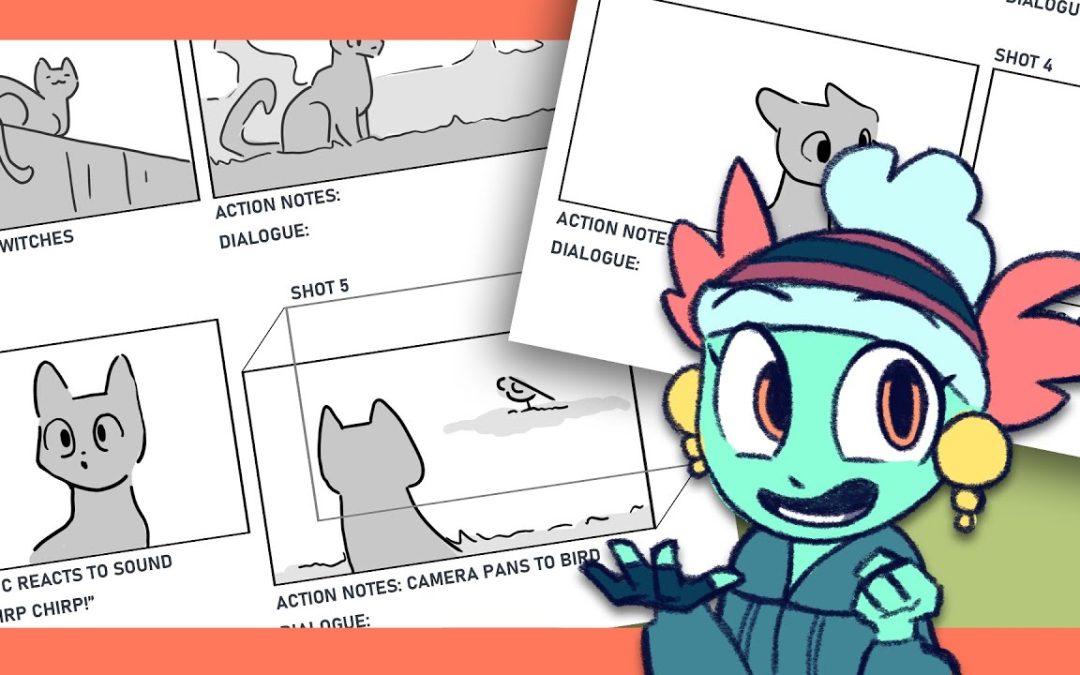
Unlock the secrets of effective storytelling with Inside Storyboarding Like a Pro. This article delves into the art and science of storyboarding, revealing techniques that can elevate your creative projects to new heights. Whether you’re a seasoned filmmaker, an aspiring animator, or just someone with a story to tell, mastering the storyboard process is essential. Discover how to visualize your ideas, enhance narrative flow, and engage your audience like never before. Join us as we explore the fundamental principles and insider tips that will transform your approach to storytelling.
What are key techniques for effective storyboarding?
Key techniques for effective storyboarding include clear visuals, concise descriptions, logical sequencing, character consistency, and incorporating feedback for revisions.
What are the key elements to consider when creating a storyboard for a project?
When creating a storyboard for a project, it’s essential to focus on several key elements to ensure clarity and effectiveness. Start by defining the narrative flow, outlining the main scenes or key moments that will guide the audience through the story. Visual consistency is decisivo; establish a cohesive style in terms of colors, fonts, and imagery to create a unified look. Include notes on timing and transitions to give a sense of pacing and rhythm, helping to visualize how each scene connects to the next. Additionally, consider the target audience to tailor the storyboard’s tone and complexity, ensuring it resonates with viewers. By integrating these elements, you can create a powerful visual roadmap that enhances the overall project.
How can I effectively communicate my vision through storyboarding?
Storyboarding is a powerful tool for effectively conveying your vision, as it allows you to visualize your ideas in a structured format. Start by breaking your concept into key scenes or moments that capture the essence of your message. Use simple sketches or images to represent each scene, accompanied by brief descriptions that outline the narrative flow and emotional tone. This approach not only clarifies your vision for yourself but also provides a tangible reference for others to understand and engage with your ideas.
As you develop your storyboard, consider the audience’s perspective and the emotional journey you want them to experience. Strive for consistency in style and pacing, ensuring that each panel seamlessly transitions into the next. Incorporate notes about sound, dialogue, or visual effects to enhance the storytelling experience. By presenting your vision through a well-crafted storyboard, you create a compelling narrative that resonates and inspires collaboration, making it easier for others to bring your ideas to life.
What tools or software are recommended for professional storyboarding?
For professional storyboarding, several tools stand out for their functionality and user-friendly interfaces. Software like Storyboard Pro offers a comprehensive suite for artists, allowing them to sketch, annotate, and animate directly within the platform. Its intuitive drag-and-drop features streamline the process, making it easy to create detailed storyboards with a polished look. Another excellent option is Toon Boom Harmony, which provides powerful drawing and animation capabilities while also integrating storyboarding tools to facilitate a seamless workflow.
In addition to these specialized programs, more accessible tools like Adobe Photoshop and Adobe Illustrator can be effectively utilized for storyboarding. These widely-used graphic design applications offer versatile drawing tools and layers that make it easy to create dynamic storyboard panels. Furthermore, platforms like Celtx and StudioBinder provide collaborative features, enabling teams to work together efficiently on storylines and visuals. By selecting the right combination of these tools, creators can enhance their storytelling processes and bring their visions to life with clarity and precision.
How do I determine the right pacing and flow in my storyboard?
Determining the right pacing and flow in your storyboard requires a keen understanding of your narrative’s emotional beats and the rhythm of your visuals. Start by mapping out key moments in your story, paying attention to transitions between scenes. Consider the emotional highs and lows; faster pacing can heighten tension, while slower moments allow for reflection and character development. Use visual cues like shot lengths and transitions to guide the viewer’s experience, ensuring that each scene contributes meaningfully to the overall narrative.
As you refine your storyboard, think about the audience’s engagement. Varying the pacing can maintain interest and emphasize critical plot points. Experiment with the timing of dialogue, action sequences, and silent moments to create a dynamic flow. Test your storyboard with others to gauge their reactions and adjust accordingly. By balancing excitement with contemplation, you’ll craft a storyboard that captivates and resonates, effectively guiding viewers through the journey you’ve envisioned.
Visualize Your Vision: Crafting Compelling Narratives
In a world saturated with information, the power of storytelling shines as a beacon of clarity and connection. Crafting compelling narratives allows individuals and brands to transform abstract ideas into vivid experiences that resonate with audiences. By harnessing the art of visualization, one can elevate their message, making it not only memorable but also impactful. Whether through striking imagery, relatable characters, or engaging plots, these narratives invite listeners to step into a shared vision, fostering understanding and inspiring action. Ultimately, when we visualize our vision, we create a tapestry of stories that captivates hearts and minds, bridging the gap between intention and reality.
Frame by Frame: Unlocking the Secrets of Effective Storyboarding
Storyboarding is an essential tool for visual storytelling, allowing creators to map out their narratives with clarity and precision. By breaking down each scene into individual frames, storytellers can visualize the flow of action, character dynamics, and emotional beats, ensuring that every moment resonates with the audience. This meticulous planning not only enhances communication among team members but also streamlines the production process, reducing costly revisions. Ultimately, effective storyboarding transforms abstract ideas into tangible visuals, unlocking the potential of any project and guiding it toward a compelling and cohesive final product.
From Concept to Creation: Elevate Your Storytelling Skills
In today’s fast-paced world, the ability to tell a compelling story is more valuable than ever. Whether you’re an aspiring author, a marketer, or a content creator, mastering the art of storytelling can set you apart and captivate your audience. By honing your narrative skills, you can transform simple ideas into engaging experiences that resonate on a deeper level, fostering connections and inspiring action.
To elevate your storytelling abilities, start by understanding the core elements of a great narrative: character, conflict, and resolution. Develop relatable characters that your audience can connect with, while crafting conflicts that challenge them. This dynamic interplay will keep readers invested in the journey and eager to see how it unfolds. Use vivid imagery and sensory details to paint a picture that draws your audience into the world you’ve created, making them feel every emotion along the way.
As you refine your storytelling techniques, remember that revision is key to bringing your concept to life. Don’t shy away from feedback; embrace it as a vital part of the creative process. Experiment with different styles, formats, and perspectives to find the most authentic voice for your story. With dedication and practice, you can elevate your storytelling skills, turning your ideas into powerful narratives that leave a lasting impact.
Mastering the art of storyboarding opens a world of possibilities for creators, allowing them to visually structure their narratives with precision and flair. By embracing techniques that enhance clarity and creativity, anyone can elevate their storytelling game. Whether you’re a seasoned professional or just starting out, the insights gained from Inside Storyboarding Like a Pro will empower you to bring your visions to life, ensuring your projects resonate with impact and intrigue. Embrace the journey of storyboarding, and watch your ideas transform into compelling visual stories.
