
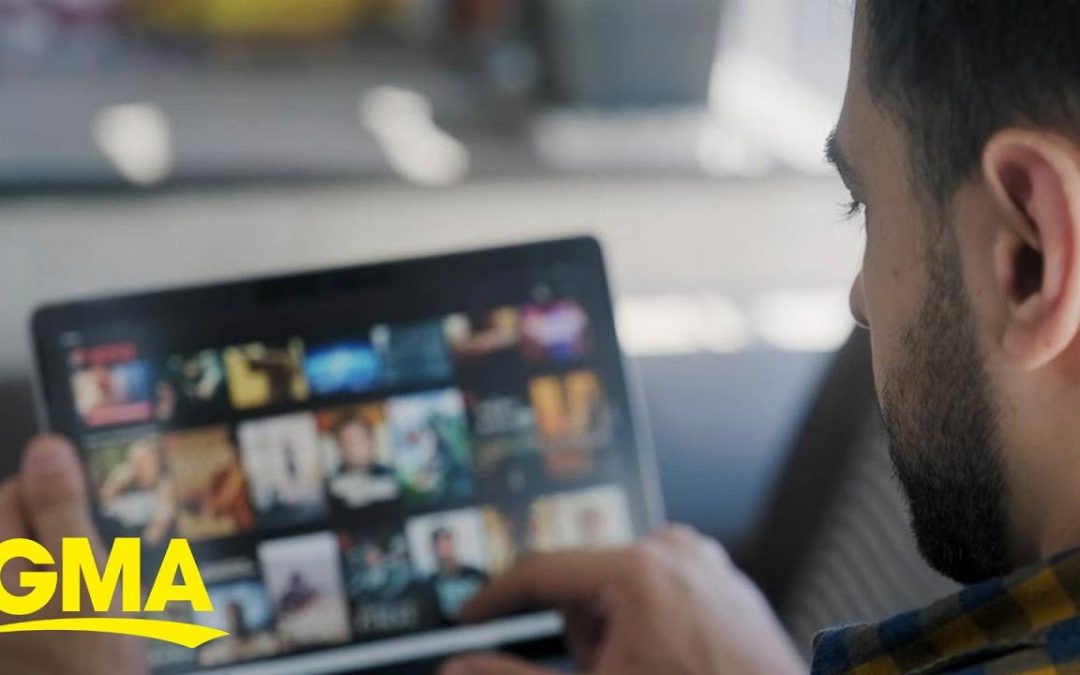
As the landscape of entertainment continues to evolve, the debate between streaming and traditional theaters has taken center stage. With the convenience of watching films from home and the immersive experience of the big screen, audiences are faced with choices that reflect their preferences and lifestyles. Understanding Streaming vs Theaters invites readers to explore the pros and cons of each medium, examining how they shape our viewing habits and influence the future of storytelling in cinema.
Which offers a better experience: streaming or theaters?
Streaming offers convenience and flexibility, while theaters provide an immersive experience. The choice depends on personal preferences and priorities.
- Audience Experience: Streaming offers convenience and flexibility, allowing viewers to watch content at their own pace and on various devices, while theaters provide a communal experience with high-quality visuals and sound that can enhance the emotional impact of a film.
- Revenue Models: Theatrical releases often rely on ticket sales as a primary revenue source, whereas streaming services typically use subscription fees or ad-supported models, which can affect how films are produced and marketed.
What are the main differences between streaming movies and watching them in theaters?
Streaming movies and watching them in theaters offer distinct experiences that cater to different preferences. Streaming allows viewers the convenience of watching films from the comfort of their homes, providing flexibility in viewing times and the ability to pause or rewind scenes. With a vast library of content available at their fingertips, audiences can explore various genres and discover hidden gems without the constraints of a theater schedule. Additionally, streaming services often come with lower costs, eliminating the need for pricey tickets and concessions.
On the other hand, watching movies in theaters delivers a unique communal experience that enhances the enjoyment of films. The immersive atmosphere, characterized by larger-than-life screens and surround sound, captivates audiences in ways that home viewing cannot replicate. The excitement of sharing laughter, gasps, or tears with fellow moviegoers creates a sense of connection that enriches the storytelling experience. While streaming offers convenience, the theatrical experience fosters a shared appreciation for cinema, making it a cherished outing for many.
How do the experiences of streaming films at home compare to going to a movie theater?
Streaming films at home offers a level of convenience that revolutionizes the way we consume entertainment. With the ability to watch movies on-demand, viewers can enjoy their favorite films in the comfort of their own space, often without the interruptions found in a theater setting. Home streaming allows for flexibility in viewing times, enabling audiences to pause, rewind, or discuss scenes with friends and family as they watch, creating a more personalized experience.
On the other hand, the theater experience delivers a unique atmosphere that cannot be replicated at home. The large screen and immersive sound systems enhance the emotional impact of films, drawing viewers into the story like never before. The communal aspect of watching alongside others adds a sense of shared excitement and anticipation, making it a social event. While streaming provides convenience, the grandeur of a movie theater often makes it a cherished outing for those seeking an unforgettable cinematic experience.
What factors should I consider when deciding whether to stream a movie or see it in a theater?
When deciding whether to stream a movie or watch it in a theater, consider the overall experience, convenience, and cost. The theater offers an immersive atmosphere with large screens and surround sound that enhances cinematic effects, making it ideal for blockbuster releases. In contrast, streaming provides the comfort of home, allowing you to watch at your own pace without the hassle of travel or crowds. Additionally, evaluate your budget; theater tickets can be pricey, especially for premium formats, while streaming services often offer a variety of films for a flat monthly fee. Ultimately, your choice may depend on the film’s genre, your social preferences, and whether you prioritize a communal viewing experience over the ease of home entertainment.
Unpacking the Future of Film Distribution
As the film industry evolves, the landscape of film distribution is undergoing a transformative shift driven by technological advancements and changing consumer behaviors. Traditional methods of releasing films in theaters are increasingly complemented—or even replaced—by digital platforms, allowing filmmakers to reach audiences directly. This direct-to-consumer approach not only enhances accessibility but also empowers independent creators to share their work without the constraints of traditional distribution models.
Streaming services have become the frontline players in this new distribution paradigm, offering viewers a vast library of content at their fingertips. This shift has led to an explosion of diverse storytelling, as more filmmakers can find their niche audiences online. Additionally, the global reach of these platforms fosters a more inclusive film culture, where international films gain recognition alongside Hollywood blockbusters, enriching the cinematic experience for viewers worldwide.
Looking ahead, the future of film distribution will likely be characterized by a hybrid model that combines theatrical releases with digital strategies. As audiences continue to embrace the convenience of home viewing, studios will need to innovate to capture their attention. This means exploring new marketing tactics, leveraging data analytics to understand viewer preferences, and creating unique experiences that draw people back to theaters. In this dynamic environment, adaptability and creativity will be essential for filmmakers and distributors alike to thrive in the ever-evolving world of cinema.
The Battle for Your Viewing Experience
In an era where streaming services dominate the entertainment landscape, the competition for your viewing experience is fiercer than ever. With a plethora of platforms vying for your attention, from giants like Netflix and Amazon Prime to emerging players like Disney+ and Apple TV+, each service is constantly innovating to capture your interest. Exclusive content, user-friendly interfaces, and personalized recommendations are just a few of the strategies employed to ensure you stick around. This battle is not just about content; it’s about creating an immersive experience that resonates with diverse audiences.
As consumer preferences evolve, the stakes continue to rise. Viewers are no longer passive recipients; they are active participants in choosing what, when, and how they watch. This shift has prompted platforms to experiment with formats, such as interactive storytelling and binge-ready releases, to cater to evolving tastes. The competition is about more than just shows and movies—it’s about crafting a unique viewing journey that keeps audiences engaged and eager for more. As the battle rages on, one thing is clear: the future of entertainment is in the hands of the viewer, and the options have never been more exciting.
From Big Screens to Small Screens: A Shift in Cinema
The landscape of cinema has undergone a remarkable transformation, evolving from the grandeur of big screens to the intimate experience of small screens. As streaming platforms gain prominence, audiences find themselves captivated by the convenience and accessibility of watching films from the comfort of their homes. This shift has not only democratized access to diverse storytelling but also challenged filmmakers to innovate, creating content that resonates with viewers in a more personal way.
As filmmakers adapt to this new medium, the emphasis on storytelling and character development has intensified. Shorter runtimes and episodic formats have given rise to fresh narratives that engage audiences in ways traditional cinema once did. The intimacy of small screens allows for deeper emotional connections, fostering a new generation of film enthusiasts who appreciate both the artistry of cinema and the flexibility of viewing on their terms. As we embrace this evolution, the future of storytelling appears brighter than ever, blending the best of both worlds.
Understanding Audience Preferences in a Digital Age
In today’s digital landscape, understanding audience preferences has become more crítico than ever for businesses and content creators. With countless platforms and a continuous flow of information, consumers are empowered to choose what resonates with them. This reality demands a strategic approach to engage effectively, requiring brands to analyze data, track trends, and adapt their messaging to align with the evolving interests of their target audience. By leveraging analytics and feedback, companies can tailor their offerings, ensuring they not only capture attention but also foster loyalty.
Moreover, the rise of social media and interactive content has transformed the way audiences interact with brands. Engaging storytelling, personalized experiences, and authentic connections are now paramount in building trust and credibility. Brands that prioritize understanding their audience’s preferences can create compelling narratives that resonate deeply, leading to increased engagement and conversion rates. Ultimately, staying attuned to audience dynamics is essential for fostering meaningful relationships and maintaining a competitive edge in a rapidly changing environment.
The Evolution of Movie Watching: Pros and Cons
The evolution of movie watching has transformed from a communal experience in theaters to a personalized journey at home, thanks to advancements in technology. Today, streaming services offer a vast library of films at our fingertips, allowing viewers to enjoy their favorite titles whenever they please. This convenience has reshaped how we consume content, fostering a culture of binge-watching and on-demand viewing. The accessibility of diverse genres and independent films has also enriched our cinematic landscape, giving rise to new voices and stories.
However, this shift brings with it a set of challenges. The decline of traditional movie theaters has led to concerns about the loss of shared experiences and the communal magic that comes with watching a film in a crowd. Additionally, the overwhelming number of options can lead to decision fatigue, making it harder for viewers to choose what to watch. As we navigate this new era of film consumption, it is essential to balance the benefits of convenience and accessibility with the value of the cinematic experience that brings us together.
The evolving landscape of entertainment has redefined how audiences experience films, highlighting the unique strengths of both streaming platforms and traditional theaters. While the convenience and accessibility of streaming cater to a growing demand for on-demand content, the immersive atmosphere of theaters offers an unparalleled communal experience. As viewers continue to navigate their preferences, both mediums are likely to coexist, each enriching the cinematic journey in its own distinct way.
