
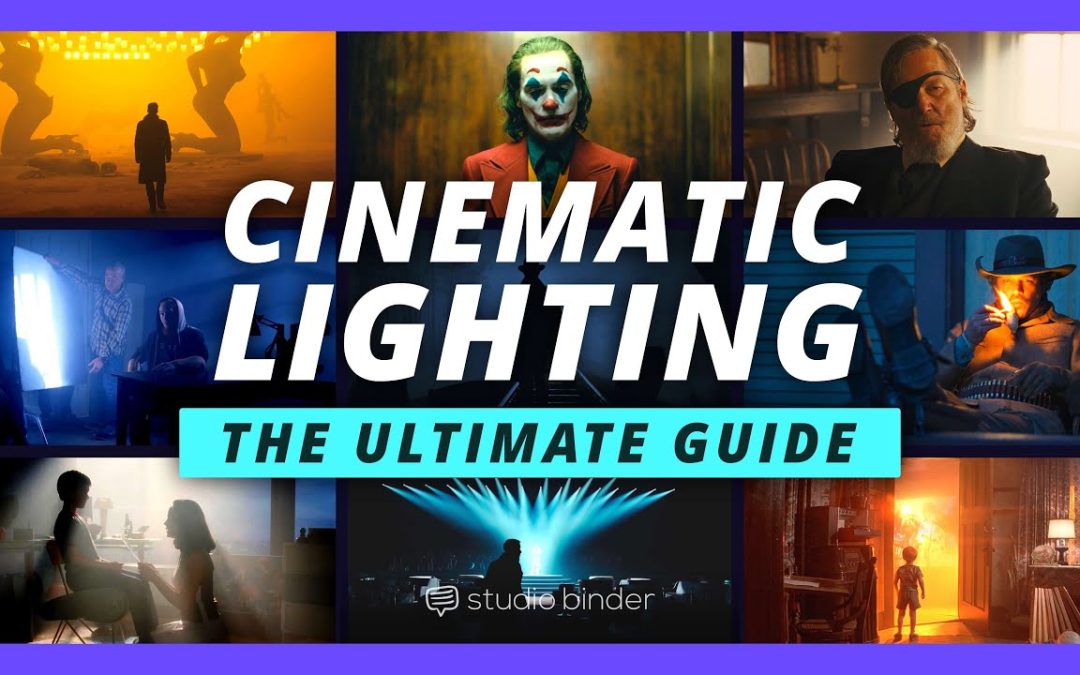
In the world of filmmaking, lighting serves as a powerful storytelling tool, shaping mood, enhancing visuals, and guiding audience emotions. Exploring Cinematic Lighting Techniques delves into the art and science behind effective lighting strategies that elevate cinematic narratives. From the subtle interplay of shadows to the bold use of color, this exploration reveals how different lighting techniques can transform a scene, drawing viewers deeper into the story. Join us as we illuminate the essential principles that can help aspiring filmmakers and enthusiasts master the craft of cinematic lighting.
What are key techniques in cinematic lighting?
Key techniques in cinematic lighting include three-point lighting, natural light simulation, color temperature adjustments, and creative use of shadows to enhance mood and depth.
- Understanding the Role of Light: Explore how different lighting setups can influence mood, atmosphere, and storytelling in film, emphasizing the emotional impact of light on viewers.
- Types of Lighting Techniques: Examine various techniques such as three-point lighting, natural lighting, and practical lighting, and how each contributes to the visual narrative and character development.
- Practical Application and Experimentation: Encourage filmmakers to experiment with lighting in diverse environments and scenarios to discover unique styles, enhance visual storytelling, and improve technical skills.
What are the fundamental principles of cinematic lighting techniques?
Cinematic lighting techniques are grounded in several fundamental principles that enhance storytelling and evoke emotions. One key principle is the use of three-point lighting, which involves a combination of key, fill, and backlighting to create depth and dimension in a scene. This method allows filmmakers to highlight subjects while controlling shadows, ensuring that the audience’s focus remains on essential elements. Additionally, the color temperature of lights plays a critical role, as warm tones can convey comfort or nostalgia, while cooler tones can evoke tension or unease.
Another essential principle is the manipulation of light direction and quality to establish mood and atmosphere. Hard light, which creates sharp shadows, can intensify dramatic moments, while soft light produces a gentler, more flattering appearance. Moreover, practical lighting, such as lamps or candles within a scene, adds realism and can draw viewers into the narrative. By skillfully combining these techniques, filmmakers can craft visually compelling stories that resonate with audiences on both an emotional and intellectual level.
How can different lighting setups affect the mood and tone of a scene?
Lighting plays a imprescindible role in shaping the mood and tone of a scene, as it can evoke a wide range of emotions and reactions from the audience. For instance, soft, warm lighting often creates an intimate and cozy atmosphere, perfect for romantic or heartfelt moments. In contrast, harsh, cold lighting can instill feelings of tension or unease, making it ideal for suspenseful or dramatic scenes. By manipulating the intensity, color, and direction of light, filmmakers and photographers can effectively guide the viewer’s emotional journey.
Moreover, the use of shadows and highlights enhances the visual storytelling by adding depth and dimension to the scene. Low-key lighting, which emphasizes shadows, can convey mystery and danger, while high-key lighting, characterized by bright and even illumination, typically suggests a cheerful or uplifting tone. By thoughtfully considering these elements, creators can craft scenes that resonate deeply with the audience, ensuring that every flicker of light contributes to the overarching narrative and emotional experience.
What equipment is essential for achieving professional-quality lighting in film production?
Achieving professional-quality lighting in film production hinges on several key pieces of equipment that work together to create the desired visual effect. First and foremost, high-quality LED lights are essential for their versatility and energy efficiency. These lights come in various shapes and sizes, allowing filmmakers to adjust the intensity and color temperature to match the scene’s mood. Additionally, softboxes and diffusers are vital for softening harsh shadows and providing an even distribution of light, enhancing the overall aesthetic of the shot.
Incorporating light modifiers, such as reflectors and flags, further elevates the quality of lighting. Reflectors can bounce light to fill in shadows, while flags help control and block unwanted light, ensuring that the focus remains on the subject. The strategic use of these modifiers allows filmmakers to sculpt the light, creating depth and dimension that adds to the visual storytelling. Moreover, considering the placement and angle of lights is imprescindible for achieving the desired effect; this is where grip equipment, including stands and clamps, comes into play, providing stability and flexibility in positioning.
Finally, a reliable lighting control system is essential for fine-tuning the setup during production. This may include dimmers, wireless control systems, and color gels to adjust the lighting on-the-fly for perfect results. Investing in high-quality equipment and understanding how to manipulate light effectively can dramatically enhance the production’s overall look, making it stand out and resonate with audiences. With the right tools and techniques, filmmakers can create stunning visuals that elevate their narrative and engage viewers.
Illuminate Your Vision: A Guide to Perfect Lighting
The right lighting can transform any space, enhancing both functionality and aesthetics. Whether you’re designing a cozy reading nook or a vibrant workspace, understanding the nuances of light can elevate your environment. Start by assessing the natural light available in your area; this will guide your choices in artificial lighting. Layering different types of lights—ambient, task, and accent—creates a balanced atmosphere that meets your needs while showcasing your unique style.
Incorporating adjustable fixtures and smart lighting solutions allows you to tailor the brightness and color temperature to suit various activities and moods. Don’t shy away from experimenting with different placements and intensities; the right combination can dramatically shift the feel of a room. As you illuminate your vision, remember that lighting is not just a functional element but a powerful tool for storytelling, setting the tone, and inspiring creativity in your space.
Transform Your Shots with Expert Lighting Strategies
Mastering lighting is the key to elevating your photography from ordinary to extraordinary. By understanding how to manipulate natural and artificial light, you can create stunning contrasts, emphasize textures, and set the mood for your shots. Experimenting with different sources, angles, and intensities will not only enhance your subject but also add depth and dimension to your images. Whether you’re shooting portraits, landscapes, or still life, implementing expert lighting strategies will empower you to tell a more compelling visual story, transforming your photography into a captivating experience.
The Art of Light: Elevate Your Cinematic Craft
Lighting is an essential element in filmmaking that can dramatically alter the mood, tone, and visual storytelling of a scene. Mastering the art of light allows filmmakers to create depth, highlight emotions, and guide the audience’s focus. Whether it’s the soft glow of a sunrise or the stark shadows of a noir thriller, understanding how to manipulate light can transform a simple narrative into a captivating visual experience.
Incorporating various lighting techniques, such as three-point lighting, natural light, and practicals, can enhance the overall aesthetic of your film. Each method serves a unique purpose, from illuminating the subject’s features to creating a sense of atmosphere. Experimenting with color temperatures and angles not only enriches the imagery but also helps to convey underlying themes, enabling viewers to connect more deeply with the story being told.
Ultimately, the mastery of lighting is a powerful tool that elevates the cinematic craft to new heights. By thoughtfully considering how light interacts with each scene, filmmakers can evoke emotion, create tension, and engage their audience more effectively. Embracing the nuances of light not only enhances visual storytelling but also allows for a more profound artistic expression, making every frame a work of art.
Bright Ideas for Stunning Visual Narratives
In a world saturated with content, the power of visual storytelling has never been more imprescindible. Images have the ability to captivate audiences, evoking emotions and conveying messages in ways that words alone cannot. By leveraging vibrant colors, striking compositions, and dynamic elements, creators can transform ordinary narratives into compelling visual experiences that resonate deeply with viewers.
Harnessing the latest design trends and technological advancements can elevate these visual narratives even further. Integrating motion graphics and interactive elements not only grabs attention but also encourages engagement. By employing innovative techniques such as infographics and data visualization, storytellers can present complex information in a digestible and aesthetically pleasing manner, making their narratives both informative and memorable.
Collaboration with diverse talents can also amplify the impact of visual storytelling. Bringing together artists, photographers, and videographers opens the door to fresh perspectives and creative ideas. This multidisciplinary approach fosters a rich tapestry of visuals that can enhance any narrative, ensuring that the final product not only tells a story but also leaves a lasting impression on its audience.
Shine Brighter: Unlock the Secrets of Lighting Design
Lighting design is an essential element that can transform any space, creating an atmosphere that resonates with its purpose and enhances the overall aesthetic. By understanding the nuances of light—how it interacts with colors, textures, and shapes—designers can craft environments that not only illuminate but also inspire. The right lighting can highlight architectural features, create focal points, and evoke emotions, making it a powerful tool in both residential and commercial settings.
Unlocking the secrets of effective lighting design involves a combination of creativity and technical knowledge. From layering different types of light to choosing the appropriate fixtures and control systems, each decision plays a imprescindible role in achieving the desired effect. By embracing innovative techniques and staying attuned to the latest trends, designers can maximize functionality while adding a touch of elegance, ensuring that every space shines brighter and serves its intended purpose beautifully.
Mastering cinematic lighting techniques opens up a world of creative possibilities for filmmakers and content creators alike. By understanding the nuances of light—its direction, intensity, and color—professionals can evoke emotions, enhance storytelling, and create visually stunning scenes that captivate audiences. As technology continues to evolve, embracing these techniques will not only elevate the quality of productions but also inspire innovative approaches to visual storytelling. The art of lighting is not just a technical skill; it’s a powerful tool that can transform a good film into a great one.
