
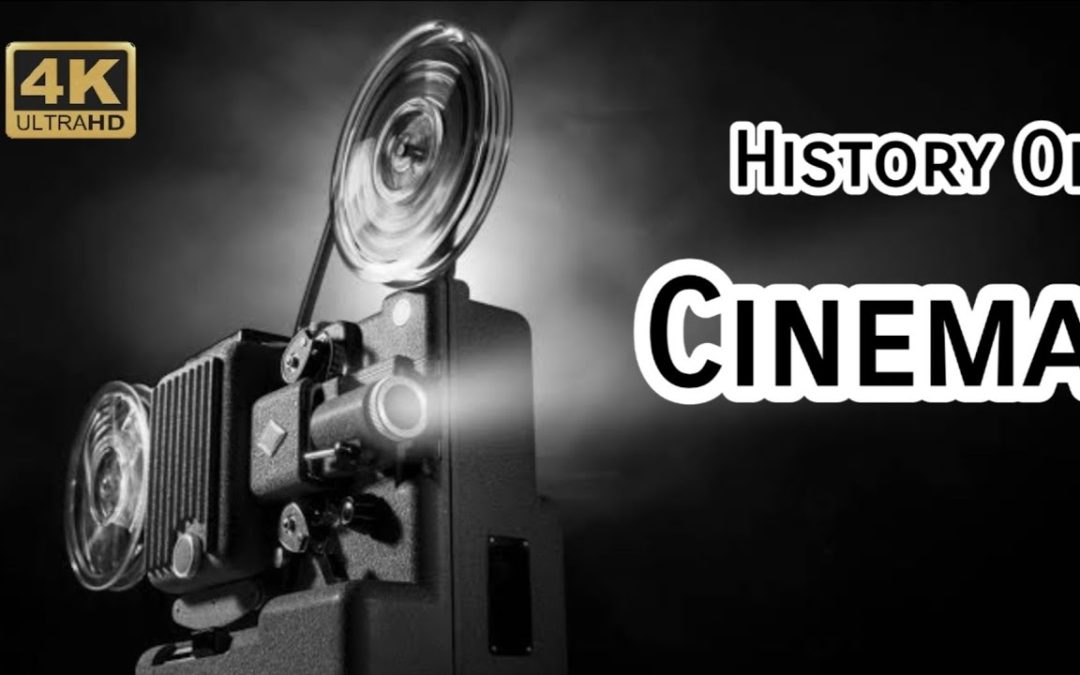
From its humble beginnings as a series of moving images to the sophisticated storytelling mediums we know today, the evolution of cinema is a captivating journey that reflects cultural shifts, technological advancements, and artistic innovation. Exploring The Evolution of Cinema delves into the milestones that have shaped this dynamic art form, highlighting how each era has contributed to the rich tapestry of film. Join us as we uncover the pivotal moments, iconic figures, and groundbreaking techniques that continue to influence filmmakers and audiences alike, ensuring that cinema remains a powerful force in our lives.
How has cinema transformed over the decades?
Cinema has evolved from silent films to sound, color, and digital technology, enhancing storytelling and audience experience through innovative techniques and diverse genres.
How has the evolution of cinema influenced modern filmmaking techniques and storytelling?
The evolution of cinema has profoundly shaped modern filmmaking techniques and storytelling, creating a rich tapestry of visual and narrative styles. Early innovations, such as the introduction of sound and color, set the stage for more immersive experiences, while advancements in technology, like CGI and digital filmmaking, have expanded creative possibilities. Filmmakers now blend genres and employ nonlinear storytelling, reflecting the complexity of contemporary narratives. This transformative journey has not only altered how stories are told but also how audiences engage with them, leading to a more dynamic and interactive cinematic landscape that continually pushes the boundaries of imagination.
What are the key technological advancements that have shaped the history of cinema?
The history of cinema has been profoundly influenced by key technological advancements that have transformed the way stories are told on screen. The introduction of sound in the late 1920s marked a significant turning point, allowing filmmakers to enhance narratives with dialogue and music, thus enriching the viewer’s experience. Following this, the advent of color film in the 1930s captivated audiences and opened up a new realm of artistic expression, enabling filmmakers to create visually stunning narratives that captivated the imagination.
As technology continued to evolve, the development of digital filmmaking in the late 20th century revolutionized production processes, making filmmaking more accessible and affordable. Digital effects, combined with advancements in CGI, have allowed filmmakers to push the boundaries of storytelling, creating immersive worlds that were previously unimaginable. With the rise of streaming platforms and high-definition viewing experiences, cinema has now reached audiences globally, ensuring that the art form remains dynamic and ever-evolving in the digital age.
From Silent Films to Streaming: A Cinematic Transformation
The evolution of cinema has been nothing short of revolutionary, starting from the enchanting allure of silent films that captivated audiences with their visual storytelling. The early 20th century introduced a new medium that relied heavily on expressive performances, intertitles, and live orchestras to convey emotion and narrative. As technology advanced, the introduction of synchronized sound in the late 1920s transformed the industry, allowing filmmakers to explore richer storytelling techniques and deepen audience engagement. This pivotal shift marked the beginning of a new era, where dialogue and sound became essential tools in crafting memorable cinematic experiences.
Fast forward to the 21st century, the rise of streaming platforms has further revolutionized how we consume films and series. Audiences now have unprecedented access to a vast library of content at their fingertips, enabling them to explore diverse genres and discover hidden gems from around the world. This shift not only democratizes film access but also challenges traditional distribution models, as creators adapt to the demands of an on-demand culture. As we embrace this digital age, the art of storytelling continues to evolve, proving that cinema, in all its forms, remains a powerful medium for connection and creativity.
Exploring Milestones and Movements in Film History
Film history is marked by transformative milestones that reflect societal changes and technological advancements. From the silent era’s groundbreaking storytelling to the advent of sound that revolutionized audience engagement, each innovation has shaped the cinematic landscape. The introduction of color films further enriched visual narratives, allowing filmmakers to explore a broader spectrum of emotions and themes. As the industry evolved, movements such as German Expressionism and Italian Neorealism challenged conventional storytelling, paving the way for diverse voices and perspectives.
The rise of independent cinema in the late 20th century signaled a shift toward more personal and authentic storytelling, empowering filmmakers to explore unconventional subjects. Meanwhile, the digital revolution has democratized filmmaking, enabling aspiring artists to share their unique visions with global audiences. Each era of film not only reflects the cultural zeitgeist but also influences future generations of filmmakers, ensuring that the art of cinema remains a dynamic and ever-evolving medium. Through these milestones and movements, film continues to be a powerful vehicle for expression and connection.
The Artistic Revolution: How Cinema Shaped Our Culture
Cinema has long been a powerful medium for storytelling, transcending language and cultural barriers to resonate with diverse audiences. From the early days of silent films to today’s technologically advanced productions, the visual language of cinema has evolved dramatically, reflecting societal changes and influencing public perception. Directors and screenwriters have harnessed this art form to explore complex themes, evoke emotions, and challenge societal norms, ultimately shaping the cultural landscape in profound ways.
As films began to gain popularity, they became a mirror that reflected the zeitgeist of their respective eras. The Golden Age of Hollywood introduced audiences to archetypal characters and narratives that not only entertained but also sparked conversations about identity, morality, and human experience. Movements such as the French New Wave and Italian Neorealism pushed boundaries, utilizing innovative techniques to depict raw, authentic stories that resonated deeply with viewers. This evolution in storytelling laid the groundwork for cinema to serve as a platform for social commentary and cultural critique.
In contemporary times, cinema continues to evolve, embracing diversity and amplifying voices that were once marginalized. With the rise of global cinema, filmmakers from every corner of the world are sharing unique perspectives that enrich the collective narrative of humanity. As audiences engage with these varied stories, they are prompted to reflect upon their own experiences and beliefs, fostering empathy and understanding. Ultimately, cinema remains a vital conduit for artistic expression, shaping our culture and influencing future generations in ways that are both profound and lasting.
The journey of cinema, from its humble beginnings to the immersive experiences of today, reflects not only technological advancements but also the shifting cultural landscapes that shape storytelling. As we continue to explore the evolution of this art form, it becomes clear that cinema remains a powerful medium for connection and expression, inviting audiences to reflect on their own experiences while embracing new narratives. The future of film promises to be as dynamic and transformative as its past, ensuring that the magic of the silver screen will captivate generations to come.
