
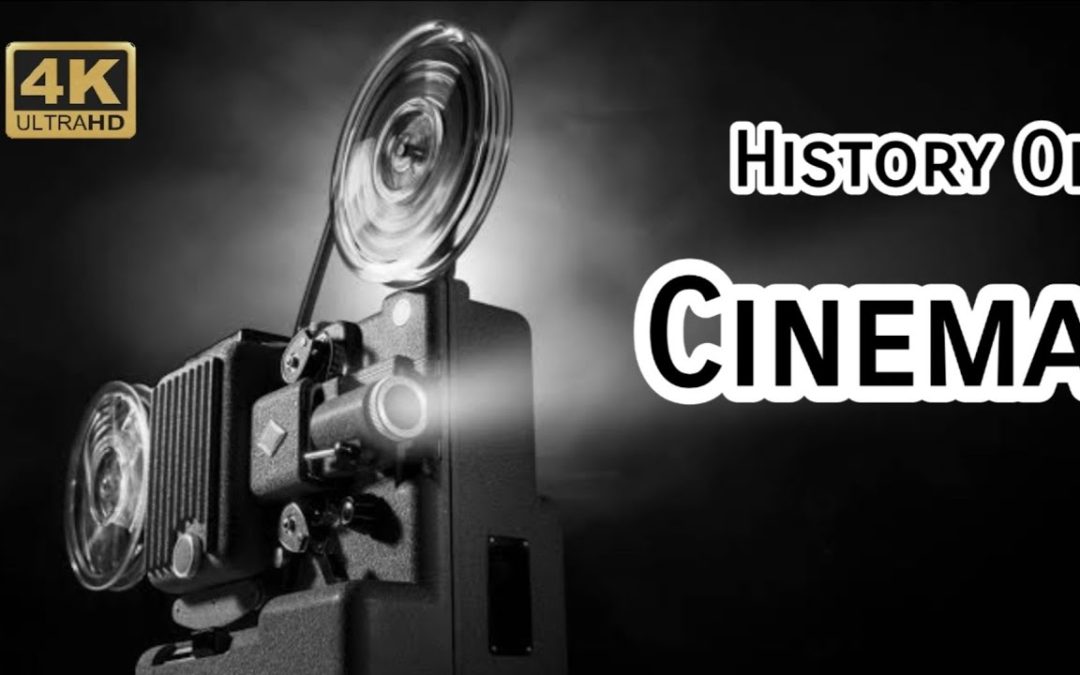
Cinema has undergone a remarkable transformation since its inception, evolving from silent flickers of light to a multifaceted medium that shapes cultural narratives and influences global audiences. Understanding the evolution of cinema not only reveals the technological advancements that have redefined storytelling but also highlights the shifting societal values and artistic movements that have influenced filmmakers over the decades. As we delve into this captivating journey, we uncover how cinema reflects the human experience and continues to adapt in an ever-changing world.
How has cinema evolved over the decades?
Cinema has evolved from silent films to talkies, then to color, digital, and streaming, reflecting technological advancements and changing audience preferences throughout the decades.
What are the key milestones in the evolution of cinema throughout history?
The evolution of cinema is marked by several key milestones that reflect technological advancements and changes in storytelling. The late 19th century saw the invention of the motion picture camera, leading to the first short films like “Workers Leaving the Lumière Factory,” which captivated audiences with the novelty of moving images. The introduction of sound in the late 1920s, epitomized by “The Jazz Singer,” transformed the cinematic experience, allowing for richer narratives and character development. This period also paved the way for the Golden Age of Hollywood, where studios produced iconic films that defined genres and captivated global audiences.
As cinema continued to evolve, the 1960s and 1970s marked a revolutionary shift with the rise of independent filmmaking and the advent of new cinematic techniques. Films like “Easy Rider” and “The Graduate” challenged traditional storytelling by exploring contemporary themes and introducing more complex characters. The digital revolution in the late 20th century further transformed the landscape, enabling filmmakers to experiment with special effects and animation, as seen in groundbreaking films like “Jurassic Park.” Today, streaming platforms have democratized access to cinema, allowing diverse voices to flourish and reshaping how audiences engage with film.
How has technology influenced the development of film production and storytelling techniques?
Technology has revolutionized film production and storytelling techniques, transforming the way stories are conceived, created, and experienced. The advent of digital cameras and editing software has democratized filmmaking, allowing creators to produce high-quality content with accessible tools, while advancements in CGI and visual effects have opened new avenues for imaginative storytelling that were once impossible. Moreover, streaming platforms and social media have redefined distribution and audience engagement, enabling filmmakers to reach global audiences instantly and fostering interactive narratives that invite viewer participation. This fusion of technology and creativity not only enhances visual storytelling but also enriches the overall cinematic experience, connecting diverse narratives across cultures and generations.
In what ways have cultural and social changes impacted the themes and genres of cinema over time?
Cultural and social changes have profoundly influenced the themes and genres of cinema, often reflecting the evolving values, struggles, and aspirations of society. For instance, the rise of feminism in the late 20th century ushered in a wave of films that explored female empowerment, challenging traditional gender roles and offering diverse narratives that resonated with audiences. Similarly, the growing awareness of social issues such as racial inequality and environmental concerns has led filmmakers to incorporate these themes into their stories, resulting in a richer tapestry of cinematic expression that engages viewers on deeper emotional and intellectual levels.
As society continues to change, so too does the landscape of cinema, adapting to new technologies and cultural dialogues. The advent of streaming platforms has democratized film distribution, allowing for a broader range of voices and genres to emerge, from indie films to global cinema that reflects varied cultural experiences. Additionally, the blending of genres has become more pronounced, as filmmakers experiment with storytelling techniques that draw from different cultural backgrounds, creating innovative narratives that captivate diverse audiences. These shifts not only enhance the aesthetic and thematic richness of films but also ensure that cinema remains a relevant and powerful medium for exploring the human experience.
What role do major film movements and directors play in shaping the evolution of cinema?
Major film movements and influential directors have been pivotal in shaping the evolution of cinema, acting as catalysts for artistic innovation and cultural reflection. Each movement, from German Expressionism to French New Wave, introduced distinctive styles, themes, and techniques that challenged traditional storytelling and visual aesthetics. These shifts not only redefined the language of film but also opened doors for diverse narratives and marginalized voices, enriching the cinematic landscape.
Directors, as visionaries and storytellers, have played a clave role in steering these movements and influencing generations of filmmakers. Icons like Alfred Hitchcock and Akira Kurosawa pushed the boundaries of genre and narrative structure, introducing complex characters and innovative cinematography. Their unique approaches not only set new standards for filmmaking but also inspired a global community of artists to explore bold concepts, thus fostering a dynamic exchange of ideas across cultures.
As cinema continues to evolve, the impact of major movements and directors remains evident in contemporary films. Modern filmmakers draw inspiration from the techniques and themes pioneered by their predecessors, blending classic elements with new technologies and storytelling methods. This ongoing dialogue between the past and present ensures that cinema remains a vibrant and ever-evolving art form, capable of reflecting the complexities of the human experience while continually pushing the boundaries of creativity.
From Silent Films to Streaming: A Journey Through Time
The evolution of cinema has been a remarkable journey, beginning with the silent film era in the late 19th century. Pioneers like Charlie Chaplin and Buster Keaton captivated audiences with their expressive performances and innovative storytelling, relying solely on visuals and music to convey emotions. This era laid the groundwork for cinematic techniques, pushing the boundaries of creativity and imagination, while establishing a unique language that transcended spoken words.
As technology advanced, the transition to sound in the late 1920s revolutionized the film industry. The introduction of “talkies” brought a new dimension to storytelling, allowing filmmakers to explore dialogue, sound effects, and music in ways previously unimaginable. Iconic films like “The Jazz Singer” not only showcased this innovation but also marked the beginning of Hollywood’s golden age, where elaborate productions and star-studded casts captivated audiences worldwide, transforming cinema into a powerful cultural force.
In the digital age, the rise of streaming services has completely reshaped the way we consume films. Platforms like Netflix and Amazon Prime have democratized access to a vast array of content, enabling viewers to explore diverse genres and stories from around the globe. This shift has not only changed the landscape of film distribution but has also fostered a new generation of filmmakers, who can now share their visions with a global audience. As we look to the future, the journey from silent films to streaming highlights the enduring power of storytelling and the ever-evolving nature of cinema.
Cinematic Milestones: Key Transformations in Film History
Throughout the history of cinema, key transformations have shaped the way stories are told and experienced, marking significant milestones that resonate with audiences across generations. From the silent era’s innovative visual storytelling to the introduction of sound that revolutionized dialogue and music, each advancement has pushed the boundaries of creativity. The advent of color film brought vibrant new dimensions to visual narratives, while the transition to digital technology democratized filmmaking, allowing diverse voices to emerge. As filmmakers continue to experiment with techniques such as CGI and virtual reality, cinema remains a dynamic art form that reflects societal changes and technological progress, ensuring its relevance in an ever-evolving cultural landscape.
The Art and Technology Behind Film’s Progression
The evolution of film is a captivating interplay between artistic vision and technological innovation, each driving the other toward new horizons. From the early days of silent cinema, where storytelling relied on visual expression and raw emotion, to the advent of sound and color that transformed narratives into immersive experiences, filmmakers have continually pushed boundaries. The introduction of digital technology has further revolutionized the industry, enabling creators to experiment with special effects, animation, and distribution methods that were once unimaginable. As we look to the future, the integration of virtual reality and artificial intelligence promises to redefine how stories are told, ensuring that the art of filmmaking remains as dynamic and engaging as ever.
Cultural Reflections: How Cinema Mirrors Society’s Changes
Cinema serves as a powerful lens through which we can observe and understand the evolving fabric of society. As cultural narratives shift, films capture the zeitgeist, reflecting the hopes, struggles, and transformations of their times. From the portrayal of social issues to the evolution of gender roles, the silver screen not only entertains but also sparks dialogue and prompts introspection. By mirroring societal changes, cinema becomes a mirror that invites audiences to confront their realities, question norms, and envision a more inclusive future. In this way, the art of film transcends mere storytelling, becoming a vital commentary on the human experience.
The evolution of cinema reflects not just advancements in technology, but also the shifting cultural landscapes and storytelling techniques that have shaped our collective experience. From silent films to the rise of streaming platforms, each era has contributed to a rich tapestry of creativity and innovation. By understanding this journey, we gain insight into the power of film as a medium that continues to inspire, challenge, and connect audiences around the world. Embracing the past allows us to appreciate the future of cinema, as new narratives and technologies emerge to redefine our viewing experience.
