
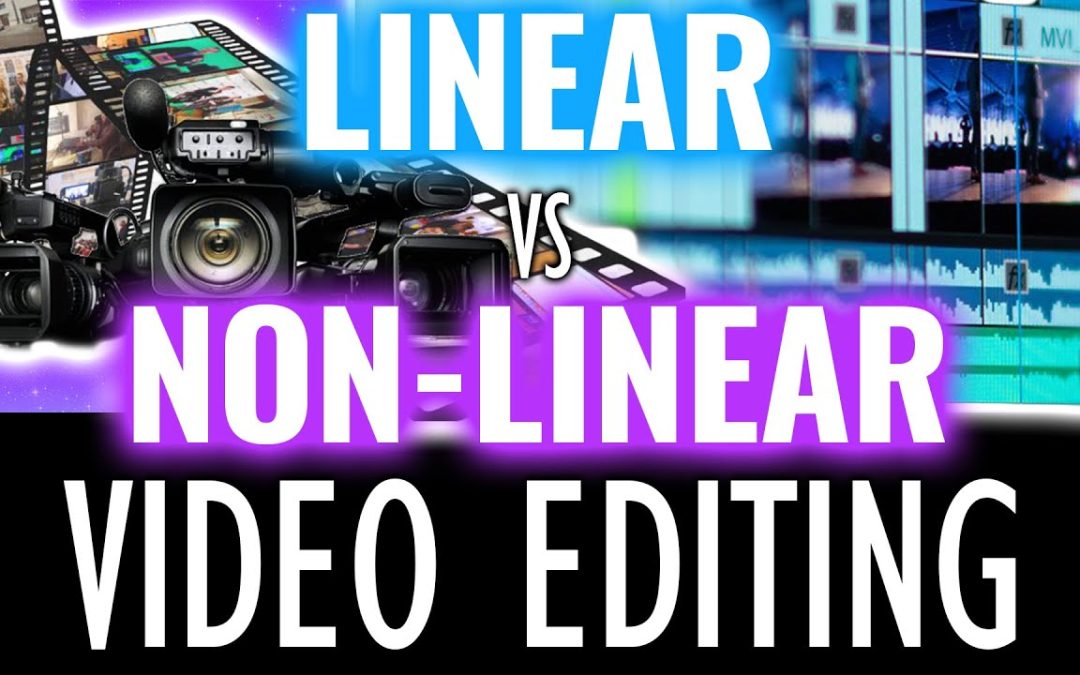
In the dynamic world of video production, mastering nonlinear editing (NLE) is essential for aspiring filmmakers and content creators alike. This article delves into the fundamental principles of nonlinear editing, providing a clear roadmap for understanding its advantages and techniques. Whether you’re looking to enhance your storytelling skills or streamline your workflow, our comprehensive guide on how to approach nonlinear editing will equip you with the knowledge needed to elevate your projects to the next level. Join us as we explore the art and science behind this transformative editing process.
What are the basics of nonlinear editing?
Nonlinear editing involves using software to arrange, trim, and modify video footage non-sequentially, allowing creative flexibility and easy adjustments without affecting the original media.
What is nonlinear editing, and how does it differ from traditional editing methods?
Nonlinear editing (NLE) revolutionizes the way film and video content is produced, allowing editors to access any frame of a digital video clip in any order without the constraints of traditional linear editing methods. Unlike linear editing, which requires a sequential, tape-based process where edits must be made in a fixed order, NLE offers flexibility and efficiency through software that enables real-time adjustments, instant access to various clips, and the ability to experiment with different sequences effortlessly. This modern approach not only streamlines the editing workflow but also fosters greater creativity, as editors can easily manipulate and rearrange footage on the fly, ultimately enhancing the storytelling process.
What software tools are commonly used for nonlinear editing?
Nonlinear editing (NLE) has revolutionized the way video content is created, offering editors a versatile array of software tools to enhance their workflows. Popular choices include Adobe Premiere Pro, known for its robust features and seamless integration with other Adobe products; Final Cut Pro, favored by Mac users for its intuitive interface and powerful capabilities; and Avid Media Composer, which is a staple in the professional film industry due to its advanced editing tools and collaborative features. Other notable options like DaVinci Resolve combine editing with color correction and audio post-production, making them comprehensive solutions for creators. These tools empower editors to craft compelling narratives with precision and creativity, ensuring that the editing process is both efficient and effective.
How can I effectively organize my footage for nonlinear editing?
Organizing footage for nonlinear editing is imprescindible for a smooth workflow and efficient storytelling. Start by creating a clear folder structure on your storage device, categorizing files by type, such as raw footage, audio, graphics, and project files. Within each category, consider subfolders for each shoot or scene, allowing for quick access. Additionally, renaming files with descriptive titles and including relevant metadata can enhance searchability, making it easier to locate specific clips during the editing process.
Once your files are neatly organized, leverage tagging and color-coding features available in many editing software programs. This allows you to visually prioritize clips based on their significance or the editing stage they belong to. Regularly review and update your organization system as you accumulate new footage, ensuring that it remains efficient and user-friendly. By investing time in a solid organizational foundation, you’ll streamline your editing process and enhance your overall productivity.
What are some tips for beginners to improve their nonlinear editing skills?
To enhance nonlinear editing skills, beginners should start by familiarizing themselves with the editing software, exploring its features through tutorials and practice projects. Developing a clear workflow is essential; organizing media files into folders and creating a project timeline can streamline the editing process. Experimenting with various editing techniques, such as cutting, transitions, and color correction, allows for creative expression and technical growth. Regularly seeking feedback from peers or online communities can provide valuable insights, while analyzing films or videos to understand pacing and storytelling will sharpen editing instincts. Lastly, staying updated with industry trends and continuously practicing will ensure ongoing improvement and confidence in editing abilities.
Unlock Your Creative Potential with Advanced Techniques
Embrace the power of advanced techniques to elevate your creative journey and unlock new realms of possibility. By exploring innovative methods such as mind mapping, immersive brainstorming, and cross-disciplinary inspiration, you can break free from conventional thinking patterns and ignite your imagination. These strategies not only enhance your problem-solving abilities but also encourage collaboration and fresh perspectives, leading to unique ideas that stand out. As you cultivate this creative mindset, you’ll discover that the seeds of inspiration are all around you, waiting to be nurtured into extraordinary outcomes.
Streamline Your Workflow for Maximum Efficiency
In today’s fast-paced work environment, optimizing your workflow is essential for achieving peak efficiency. By implementing strategic organization techniques, such as prioritizing tasks, utilizing digital tools, and delegating responsibilities, you can eliminate bottlenecks and streamline processes. Embracing automation for repetitive tasks not only saves time but also allows you to focus on high-impact projects that drive results. Regularly reviewing and adjusting your workflow ensures that you stay adaptable, empowering you to meet challenges head-on and maintain productivity at its highest level.
Transform Raw Footage into Captivating Stories
In a world overflowing with content, the ability to transform raw footage into captivating stories is more imprescindible than ever. By weaving together visuals, sound, and emotion, creators can breathe life into their material, drawing audiences into immersive narratives that resonate deeply. This process involves not just editing, but an artful curation of moments that evoke feelings and provoke thought. Whether it’s through the rhythmic pacing of cuts or the strategic use of music, each element serves to enhance the storytelling experience, making the final product not just a video, but a compelling journey that captivates viewers from start to finish.
Essential Tools and Tips for Every Editor
In the fast-paced world of editing, having the right tools can significantly enhance your workflow and productivity. From intuitive software like Adobe Premiere Pro for video editors to streamlined text editors such as Scrivener for writers, these essential tools cater to diverse editing needs. Utilizing features like version control and collaboration options can streamline the process, ensuring that projects remain organized and deadlines are met. Additionally, investing in high-quality hardware, such as dual monitors, can provide the extra screen real estate necessary for multitasking and improving focus.
Beyond tools, effective editing also hinges on a set of practical tips that can elevate your work. Establish a consistent routine to foster creativity and efficiency, while regularly seeking feedback to refine your skills. Familiarize yourself with style guides relevant to your field, as consistency in tone and structure is imprescindible for professional results. Lastly, always take the time to proofread and review your work; a fresh perspective, whether through taking breaks or involving a second pair of eyes, can uncover errors and enhance the overall quality of your edits.
Elevate Your Editing Skills to Professional Standards
In the fast-paced world of digital content, honing your editing skills is more imprescindible than ever. Mastering the art of editing not only enhances the clarity and coherence of your writing but also elevates the overall quality of your work. With a keen eye for detail, you can transform a rough draft into a polished masterpiece that captivates your audience and conveys your message effectively.
To elevate your editing skills, start by familiarizing yourself with essential editing techniques. This includes understanding grammar rules, sentence structure, and the nuances of style. Utilize tools and resources like style guides to refine your approach, and don’t hesitate to seek constructive feedback from peers. Embracing a systematic editing process—reading aloud, revising in stages, and focusing on both big-picture content and fine details—will help you identify areas for improvement and ensure your writing shines.
Finally, practice is key to mastering editing. Challenge yourself with diverse writing styles and genres to broaden your skills and adaptability. Set aside dedicated time for editing practice, experimenting with different techniques and approaches. As you gain experience, you will develop a unique editing style that reflects your voice while meeting professional standards, ultimately empowering you to produce high-quality content that stands out in any field.
Mastering nonlinear editing opens up a world of creative possibilities, allowing filmmakers and content creators to manipulate their footage with unprecedented flexibility and precision. By understanding the principles and techniques outlined in this guide, you can elevate your editing skills and bring your vision to life. Embrace the power of nonlinear editing, and transform your storytelling into a compelling visual experience that resonates with your audience.
