
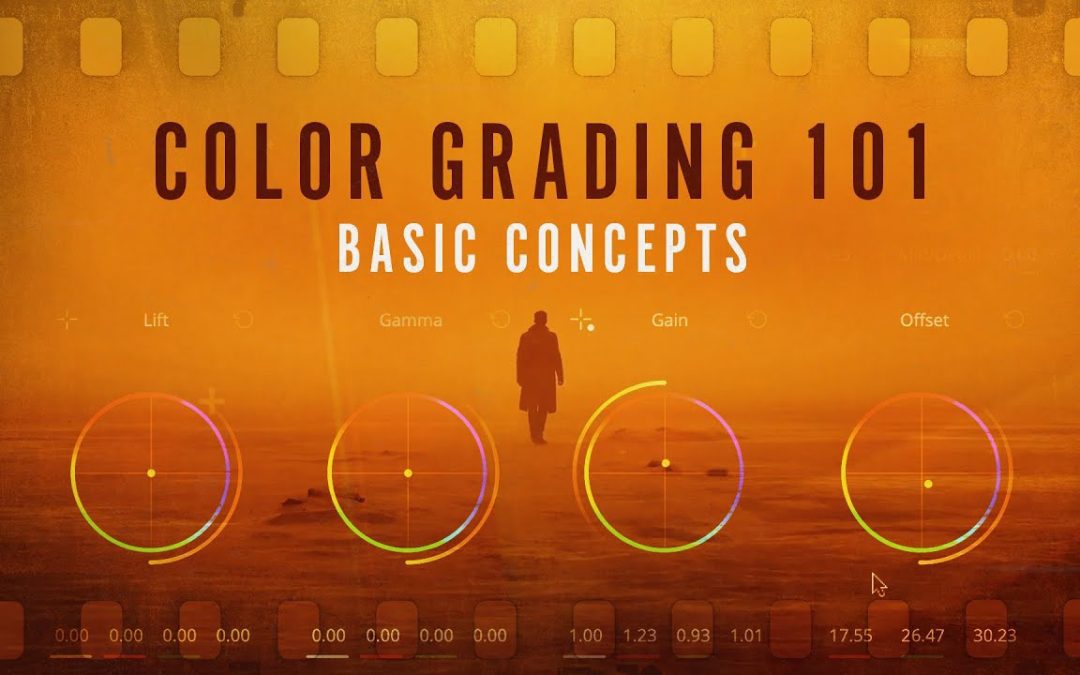
Mastering Color Grading for Beginners is an essential guide for aspiring filmmakers and content creators looking to elevate their visual storytelling. In a world where the right color palette can transform a scene, understanding the fundamentals of color grading is primordial. This article will demystify the process, offering practical tips and techniques that will help you enhance your footage, evoke emotions, and create a cohesive aesthetic. Whether you’re just starting out or seeking to refine your skills, journey with us as we explore the vibrant world of color grading and unlock the potential of your visual projects.
What are essential tips for beginners in color grading?
Start with understanding color theory, use reference images, adjust contrast and saturation, and practice consistently to develop your skills.
What are the essential tools and software needed for mastering color grading as a beginner?
To embark on your journey in color grading, having the right tools and software is primordial. Start with a powerful editing software like Adobe Premiere Pro or DaVinci Resolve, both of which offer robust color grading capabilities. DaVinci Resolve, in particular, is renowned for its advanced color correction tools and is available for free, making it an excellent choice for beginners. Additionally, investing in a color calibration tool can greatly enhance your workflow by ensuring that your monitor displays accurate colors, allowing you to make precise adjustments.
As you progress, consider exploring more specialized tools like FilmConvert or Magic Bullet Looks, which can help you achieve specific filmic looks and styles. Familiarizing yourself with LUTs (Look-Up Tables) can also be invaluable, as they provide a quick way to apply color grading presets that can then be fine-tuned to match your creative vision. By combining these essential tools with a commitment to practice and experimentation, you’ll be well on your way to mastering the art of color grading.
How can I understand and apply color theory in my color grading projects?
Understanding color theory is essential for enhancing the visual appeal of your projects. At its core, color theory explores the relationships between colors, including harmony, contrast, and emotion. Familiarizing yourself with the color wheel, which organizes colors based on their relationships, can help you identify complementary and analogous colors. This knowledge allows you to create balanced compositions that evoke specific feelings and responses from your audience, making your work more impactful.
When applying color theory in your color grading projects, consider the emotional resonance of colors. Warm tones like reds and oranges can convey energy and excitement, while cool tones such as blues and greens often evoke calmness and serenity. By selecting a color palette that aligns with the mood you wish to portray, you can guide your viewer’s emotional experience. Experimenting with saturation and brightness can further enhance these effects, allowing you to manipulate the visual narrative of your project effectively.
Additionally, practice is key to mastering color grading. Start by analyzing films or photographs that resonate with you and dissect their color choices. Use software tools to adjust colors in your own projects, experimenting with different grading techniques to see how they alter the perception of your work. Over time, you’ll develop an intuitive understanding of how to blend color theory with your creative vision, resulting in stunning, cohesive visuals that captivate your audience.
What are some common mistakes beginners make in color grading, and how can I avoid them?
One of the most common mistakes beginners make in color grading is over-saturation. In an attempt to make their footage vibrant, they often push colors to extremes, resulting in unnatural and unrealistic visuals. To avoid this pitfall, it’s essential to start with a balanced base. Use reference images to understand the desired color palette and make subtle adjustments. Gradually enhance saturation rather than applying drastic changes all at once, allowing for a more organic look that maintains the integrity of the original footage.
Another frequent error is neglecting the importance of proper monitoring and lighting conditions during the grading process. Beginners may not realize that their monitors can misrepresent colors, leading to inaccurate adjustments. To counter this, invest in a calibrated monitor and ensure that your workspace is properly lit to reflect true colors. Additionally, working in a controlled environment with consistent lighting will help you make better decisions throughout the grading process, ensuring that your final output aligns with your creative vision while remaining true to the original scene.
Unlock the Secrets of Stunning Visuals
Discover the art of captivating visuals that leave a lasting impression. By harnessing the principles of color theory, composition, and lighting, you can transform ordinary images into extraordinary works of art. Experimenting with contrasting hues can evoke emotions, while strategic framing guides the viewer’s eye to focal points. Elevate your creations further by mastering the interplay of shadows and highlights, which add depth and dimension. With these techniques in hand, you’ll not only enhance your visual storytelling but also engage your audience in ways that resonate deeply. Unlock the secrets today and watch your visuals come to life.
Transform Your Footage with Expert Techniques
Unlocking the potential of your footage begins with understanding the fundamentals of visual storytelling. By mastering composition, lighting, and camera angles, you can elevate ordinary scenes into captivating narratives. Experimenting with different perspectives not only enhances the aesthetic appeal but also engages your audience on a deeper level, allowing them to connect with your vision.
Once you’ve established a strong foundation, it’s time to explore advanced editing techniques that can further transform your work. Color grading, for instance, can dramatically alter the mood and tone of your footage, giving it a professional polish. Incorporating motion graphics and sound design adds another layer of depth, helping to create a cohesive and immersive viewing experience that resonates with your audience.
Finally, refining your editing workflow is essential for maximizing efficiency and creativity. Utilizing software that suits your style, coupled with organized file management, ensures a smooth editing process. By continuously honing your skills and embracing new technologies, you’ll not only enhance your current projects but also pave the way for future innovations in your filmmaking journey.
A Beginner’s Path to Vibrant Imagery
Embarking on the journey of photography opens up a world of creativity and expression. As a beginner, the first step is to familiarize yourself with your camera’s settings, whether it’s a DSLR, mirrorless, or even a smartphone. Understanding the fundamentals of exposure, aperture, and shutter speed will empower you to capture images that reflect your unique perspective. Take the time to explore different modes and features, experimenting with each to discover how they influence your final shot.
Composition is another vital aspect that can elevate your photography. Learn to use the rule of thirds, leading lines, and framing to draw the viewer’s eye to your subject. Observing how light interacts with your surroundings can also transform ordinary scenes into extraordinary photographs. Spend time practicing in various environments—whether it’s bustling city streets or serene nature settings—allowing your creativity to flourish as you seek out interesting angles and moments.
Finally, don’t shy away from editing your images. Post-processing offers an opportunity to enhance your photos, bringing out colors and details that may have been lost in the original shot. Software like Adobe Lightroom or mobile apps can help you refine your work, making it even more vibrant and engaging. Remember, photography is a continuous learning experience; embrace your mistakes and celebrate your progress as you develop your own signature style.
Elevate Your Cinematic Skills with Color
Color is a powerful tool in filmmaking, capable of evoking emotions, guiding narratives, and enhancing the overall visual experience. Understanding the fundamentals of color theory allows filmmakers to make intentional choices that resonate with their audience. By mastering color palettes, filmmakers can create moods that range from vibrant and uplifting to dark and foreboding, ensuring that every frame contributes to the story being told.
Incorporating color grading techniques during post-production further amplifies the impact of your visuals. This process not only corrects any discrepancies in color but also allows for creative expression by stylizing the footage to match the desired aesthetic. A well-executed color grade can transform ordinary scenes into captivating moments that leave a lasting impression, elevating the cinematic quality of your work.
Moreover, the strategic use of color can enhance character development and thematic elements within a film. By associating specific colors with characters or key plot points, filmmakers can subtly guide viewers’ perceptions and reactions. This layered approach to storytelling through color not only enriches the narrative but also invites audiences to engage more deeply with the film, making their viewing experience all the more memorable.
Simple Steps to Stunning Color Mastery
Unlock the beauty of color mastery with a few simple steps that can transform your artistic creations. Begin by understanding the color wheel, which serves as a foundation for mixing and matching hues effectively. Experiment with complementary colors to create striking contrasts or analogous colors for a harmonious feel. Don’t shy away from using white or black to adjust the brightness and depth of your palette, enhancing the overall impact of your work. Finally, practice consistently and observe how colors interact in different lighting conditions, allowing your intuition to guide your artistic journey toward stunning visual compositions.
Mastering color grading for beginners opens the door to a world of creative possibilities, allowing aspiring filmmakers and photographers to elevate their work and convey emotions through stunning visuals. By understanding the fundamentals and experimenting with various techniques, you can bring your unique vision to life and captivate your audience. Embrace the journey of color grading, and watch your storytelling transform as you harness the power of color to enhance every frame.
