
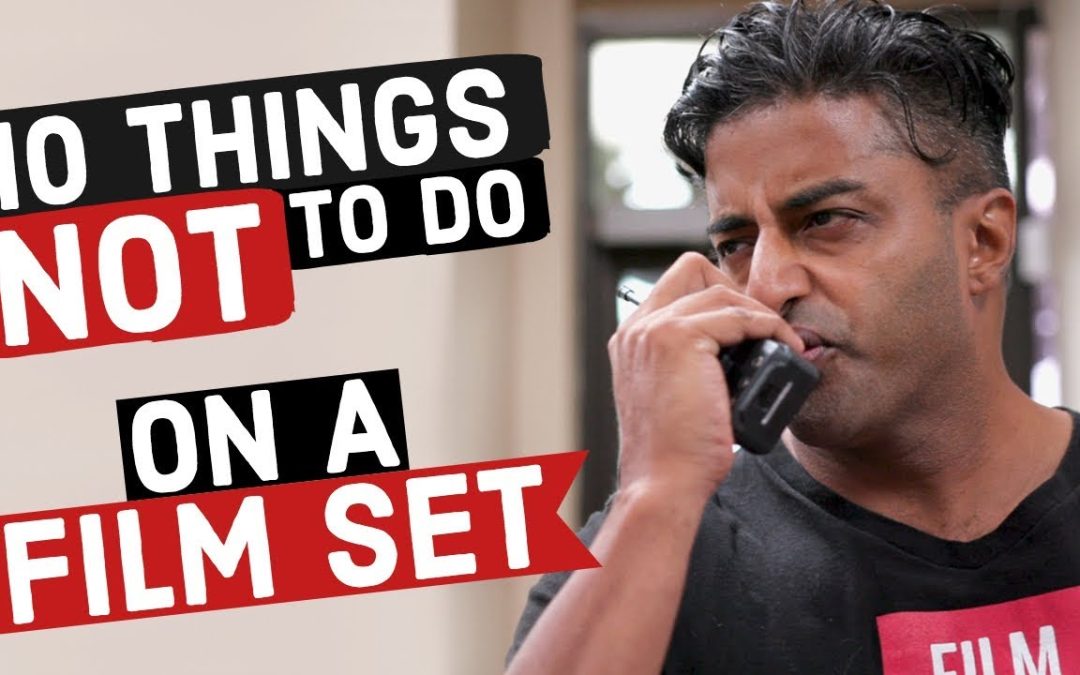
Managing a film set is a dynamic and multifaceted experience that requires a blend of creativity, organization, and teamwork. From coordinating schedules and budgets to fostering a collaborative atmosphere among diverse crew members, effective management is fundamental for bringing a cinematic vision to life. In this article, we will explore the essential skills and strategies needed to navigate the complexities of film set management, highlighting the pivotal role it plays in the success of any production. Join us as we delve into the art of orchestrating a seamless film set experience.
What are key roles on a film set?
Key roles on a film set include the director, producer, cinematographer, production designer, and sound designer, each responsible for specific aspects of the filmmaking process.
What are the key responsibilities of a film set manager during production?
A film set manager plays a fundamental role in ensuring that production runs smoothly and efficiently. They are responsible for coordinating the daily operations on set, which includes managing the crew, scheduling activities, and overseeing logistics. This involves ensuring that all departments are working in harmony, from the camera and lighting teams to the art department and actors. By maintaining clear communication and addressing any issues that arise, the set manager helps to create a productive environment where creativity can flourish.
In addition to logistical coordination, the film set manager is also tasked with implementing safety protocols and ensuring compliance with industry regulations. They monitor the set for potential hazards, conduct safety briefings, and make sure that all team members are aware of emergency procedures. By prioritizing safety while keeping the production on track, the set manager not only protects the cast and crew but also contributes to the overall success of the film project.
How can effective communication be maintained among crew members on a film set?
Effective communication on a film set is essential for seamless collaboration and the successful execution of creative visions. Establishing clear lines of communication from the outset helps ensure that every crew member understands their roles and responsibilities. Regular briefings and debriefings not only keep everyone informed about daily schedules and changes but also foster an environment where questions and feedback are encouraged. Utilizing walkie-talkies or communication apps can enhance real-time interaction, allowing for quick problem-solving and decision-making, which is fundamental in the fast-paced film industry.
Moreover, cultivating a culture of respect and openness among crew members can significantly enhance communication. Encouraging team members to voice their ideas and concerns creates a supportive atmosphere where everyone feels valued. Implementing structured communication protocols, such as daily check-ins or specific channels for different departments, can streamline information sharing. By prioritizing clear, respectful, and proactive communication, film sets can maintain a harmonious workflow, ultimately leading to a more efficient production process and a higher quality final product.
Streamline Your Workflow for Maximum Efficiency
In today’s fast-paced work environment, optimizing your workflow is essential for achieving peak efficiency. By identifying and eliminating bottlenecks, you can create a seamless process that allows you to focus on what truly matters. Implementing tools that automate repetitive tasks can save valuable time, enabling you to allocate resources to more strategic initiatives. Additionally, regularly reviewing and refining your procedures ensures that your team remains agile and adaptable to changing demands.
Collaboration is another key component of a streamlined workflow. Encouraging open communication among team members fosters a culture of innovation and quick problem-solving. Utilizing project management software can help keep everyone aligned and accountable, reducing the likelihood of miscommunication and duplicated efforts. By cultivating an environment where ideas flow freely and tasks are efficiently managed, you empower your team to achieve their goals and drive your organization forward with confidence.
Essential Tools for Effective Coordination
Effective coordination is essential for the success of any team or project, and the right tools can make all the difference. Communication platforms like Slack or Microsoft Teams facilitate real-time discussions, allowing team members to share updates and collaborate seamlessly. These tools not only enhance communication but also help in building a more connected team culture, fostering collaboration even in remote environments.
Project management software such as Trello or Asana enables teams to organize tasks, set deadlines, and track progress in a visually engaging way. By providing a clear overview of responsibilities and timelines, these tools empower team members to stay aligned and accountable. This clarity minimizes confusion and ensures that everyone is working towards the same goals, ultimately leading to increased productivity and efficiency.
In addition to communication and project management tools, file-sharing services like Google Drive or Dropbox are fundamental for effective coordination. They allow team members to easily access, share, and edit documents in real time, streamlining workflows and reducing bottlenecks. By integrating these essential tools, teams can enhance their coordination efforts, drive better results, and foster a more collaborative working environment.
Navigating Challenges on Set with Confidence
In the fast-paced world of film production, challenges are inevitable. Whether it’s a sudden weather change, technical glitches, or scheduling conflicts, the ability to adapt and maintain composure can make all the difference. Establishing a strong communication channel among the crew not only fosters teamwork but also empowers everyone to tackle obstacles head-on. By cultivating a positive environment where ideas are shared freely, teams can turn potential setbacks into creative solutions, ensuring that the production remains on track.
Confidence on set is built through preparation and a proactive mindset. When every member knows their role and feels supported, it transforms the atmosphere, allowing for quick decision-making and seamless problem-solving. Embracing challenges with a collaborative spirit not only enhances the overall workflow but also boosts morale, making the experience enjoyable for everyone involved. Ultimately, navigating the complexities of production with assurance transforms challenges into opportunities for growth and innovation, paving the way for a successful project.
Building a Collaborative Team Environment
Creating a collaborative team environment is essential for fostering innovation and enhancing productivity. When team members feel valued and empowered, they are more likely to share ideas and work together towards common goals. Open communication is the cornerstone of this dynamic; encouraging feedback and maintaining transparency helps build trust among colleagues. This trust not only strengthens interpersonal relationships but also fosters a culture where everyone feels comfortable contributing their unique perspectives.
To further enhance collaboration, it’s fundamental to establish clear roles and responsibilities within the team. When each member understands their individual contributions and how they align with the team’s objectives, it minimizes confusion and promotes accountability. Regular team meetings provide an opportunity for members to discuss progress, address challenges, and celebrate successes together. This structured approach ensures that everyone remains aligned and motivated, creating a cohesive unit that thrives on collective achievement.
Lastly, leveraging technology can significantly boost collaboration in any team environment. Tools that facilitate communication and project management enable team members to stay connected and organized, regardless of their physical location. By incorporating collaborative platforms, teams can share resources efficiently and streamline workflows, ultimately leading to enhanced creativity and problem-solving capabilities. Embracing these practices cultivates a vibrant team culture where collaboration is not just encouraged but ingrained in the team’s daily operations.
Transforming Vision into Reality: A Practical Guide
Turning your vision into reality requires a blend of clear planning, relentless determination, and adaptive strategies. Start by defining your goals with precision, ensuring they are both achievable and measurable. Break these goals into smaller, actionable steps to maintain momentum and motivation. Embrace feedback and remain flexible, as obstacles are inevitable; viewing them as opportunities for growth will enhance your resilience. Surround yourself with supportive individuals who share your vision and can provide insights, encouragement, and accountability. With a focused mindset and a commitment to continuous learning, you can navigate the journey from concept to accomplishment, transforming your dreams into tangible results.
Successfully managing a film set requires a harmonious blend of creativity, organization, and effective communication. By mastering the intricacies of scheduling, coordinating talent, and fostering a collaborative environment, filmmakers can bring their visions to life while navigating the fast-paced demands of production. Embracing these challenges not only enhances the filmmaking process but also enriches the final product, showcasing the essential role of skilled management in the art of cinema.
