
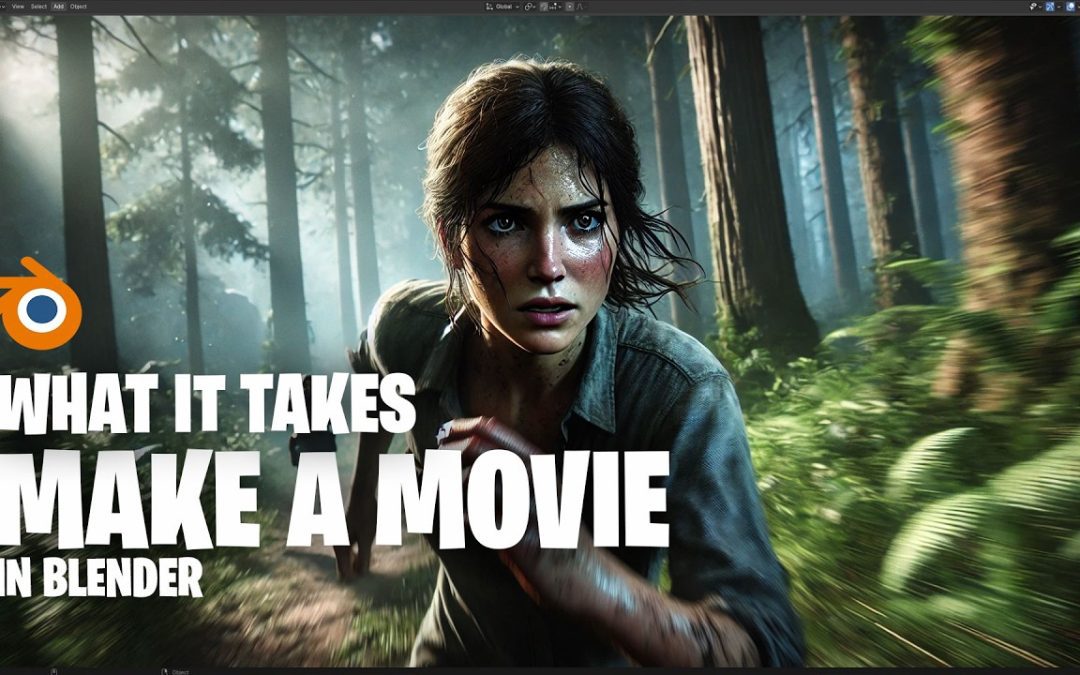
In the ever-evolving world of digital art, mastering the creation of realistic CGI is a skill that sets artists apart. As technology advances, the demand for lifelike visuals in film, video games, and virtual reality continues to rise. This article delves into the essential techniques and tools that empower creators to bring their imaginative visions to life with stunning realism. By exploring the intricacies of lighting, texturing, and rendering, we unlock the secrets behind captivating CGI that can mesmerize audiences and elevate storytelling to new heights.
What are key techniques for realistic CGI creation?
Key techniques for realistic CGI creation include accurate lighting, detailed textures, realistic physics, advanced rendering methods, and effective use of color and composition.
What are the essential skills needed for mastering creating realistic CGI?
Mastering the art of creating realistic CGI requires a strong foundation in both technical and artistic skills. At the core, proficiency in 3D modeling software such as Blender, Maya, or 3ds Max is essential, as these tools allow artists to sculpt and manipulate digital assets with precision. Understanding the principles of geometry, lighting, and texture mapping is esencial, as these elements contribute significantly to the believability of the final product. Additionally, a solid grasp of animation techniques can enhance the realism of CGI by bringing static models to life.
Equally important is the ability to perceive and replicate real-world physics. This includes a deep understanding of how light interacts with various surfaces and materials, which can be achieved through studying concepts like reflection, refraction, and shadows. Knowledge of rendering engines, such as Arnold or V-Ray, enables artists to produce high-quality images by simulating these physical properties accurately. By mastering these technical aspects, artists can create visuals that resonate with audiences due to their authenticity.
Finally, creativity and a keen eye for detail are essential for creating compelling CGI. Artists should cultivate a strong sense of composition, color theory, and storytelling, as these elements elevate the visual experience. Continuous practice, along with seeking feedback from peers, enables artists to refine their skills and push the boundaries of their creativity. Combining technical expertise with artistic vision is the key to producing stunningly realistic CGI that captivates viewers and stands out in a competitive field.
Which software programs are most commonly used for realistic CGI creation?
In the world of realistic CGI creation, several software programs stand out for their robust features and industry acceptance. Autodesk Maya is a leading choice among professionals for its powerful modeling and animation capabilities. With an extensive set of tools for character rigging and rendering, Maya allows artists to bring lifelike characters and environments to life. Its versatility makes it suitable for everything from film production to game development.
Another prominent software is Blender, which has gained immense popularity due to its open-source nature and comprehensive suite of features. Blender offers a range of tools for modeling, texturing, and rendering, all integrated into a single platform. Its user-friendly interface and strong community support make it accessible for both beginners and seasoned artists looking to create stunning CGI visuals. The ability to customize and extend Blender through plugins further enhances its appeal.
Lastly, Adobe After Effects plays a esencial role in the post-production phase of CGI creation. While primarily known for motion graphics and visual effects, it seamlessly integrates with other software like Maya and Blender to enhance CGI projects. After Effects allows artists to add final touches, such as compositing and color grading, ensuring that the CGI elements blend perfectly with live-action footage. Together, these software programs form a powerful toolkit for creating realistic CGI that captivates audiences.
How can I improve the realism of my CGI projects?
To enhance the realism of your CGI projects, begin by focusing on the fundamentals of lighting and shadows. Natural light behaves in complex ways, so utilizing high-quality HDRI images can help create authentic light sources that mimic real-world conditions. Pay attention to the direction, intensity, and color of the light, as these factors significantly influence the mood and realism of your scene. Additionally, incorporating dynamic shadows that accurately correspond to the light source will add depth and dimension, making your CGI more believable.
Next, prioritize texture and material quality. Realistic surfaces are not just about color; they also involve intricate details such as bump maps, specular highlights, and reflection properties. Utilize high-resolution textures and consider the physical properties of each material, like how metal reflects light differently from wood or fabric. Subtle imperfections, such as scratches, dirt, or wear, can further enhance realism by breaking the uniformity often found in computer-generated imagery.
Lastly, consider the importance of scale and context. To create a sense of realism, ensure that all elements in your scene are proportionate and interact convincingly with one another. Placing objects within a believable environment and using appropriate depth of field can create a more immersive experience. Additionally, dynamic elements, such as wind effects or character movement, can bring your CGI to life, making it resonate with viewers on a deeper level. By focusing on these aspects, you can significantly elevate the realism of your projects.
Are there any online courses or resources specifically focused on mastering realistic CGI?
For those eager to master realistic CGI, a wealth of online courses and resources is readily available. Platforms like Coursera, Udemy, and Skillshare offer specialized courses led by industry professionals, covering essential software such as Blender, Maya, and 3ds Max. These courses often include hands-on projects that allow learners to apply techniques in creating lifelike textures, lighting, and animations, ensuring a comprehensive understanding of the field.
In addition to structured courses, numerous tutorials and forums are available for free on platforms like YouTube and Reddit, where CGI enthusiasts share tips and showcase their work. Engaging with these communities can provide valuable feedback and inspiration, while also keeping learners updated on the latest trends and technologies in CGI. Together, these resources create a robust environment for anyone looking to enhance their skills and create stunning, realistic computer-generated imagery.
Unleashing the Power of Digital Artistry
In a world increasingly driven by technology, digital artistry emerges as a transformative force, redefining creativity and expression. Artists harness cutting-edge tools to create stunning visuals that captivate audiences and blur the lines between reality and imagination. This medium not only expands artistic boundaries but also democratizes art, allowing diverse voices to flourish in virtual spaces. As digital platforms thrive, they foster a vibrant community where innovation thrives, making art more accessible and engaging than ever before. Embracing this evolution unlocks a limitless realm of possibilities, inviting everyone to explore and celebrate the boundless potential of digital creativity.
Transforming Ideas into Stunning Visuals
In a world where first impressions matter more than ever, transforming ideas into stunning visuals is essential for effective communication. Whether through vibrant graphics, compelling infographics, or captivating videos, the power of visual storytelling can elevate concepts and engage audiences like never before. By harnessing creativity and leveraging cutting-edge design techniques, we can turn abstract thoughts into tangible works of art that resonate deeply. This fusion of imagination and technology not only enhances brand identity but also fosters a deeper connection with the audience, making ideas memorable and impactful.
A Comprehensive Guide to CGI Excellence
In the world of digital artistry, mastering Computer-Generated Imagery (CGI) is essential for creating stunning visual experiences that captivate audiences. This comprehensive guide delves into the fundamental techniques and advanced methodologies that define CGI excellence. From understanding the intricacies of 3D modeling and rendering to exploring the latest software tools, aspiring artists will find invaluable insights that can elevate their creative projects. By focusing on both the technical aspects and the artistic vision, this guide empowers creators to push the boundaries of imagination and innovation.
As CGI continues to transform industries, including film, gaming, and advertising, staying ahead demands a commitment to continuous learning and adaptation. Emphasizing collaboration and feedback, this guide encourages artists to connect with peers and industry professionals, fostering an environment of growth and inspiration. With practical tips and real-world examples, readers will gain the confidence to experiment and refine their skills, ultimately unlocking their full potential in the dynamic realm of CGI. Embrace the journey toward mastery and discover how to make your visions come to life with unparalleled clarity and impact.
Mastering Creating Realistic CGI opens up a world of possibilities for artists and filmmakers alike, allowing them to push the boundaries of imagination and storytelling. By honing technical skills and embracing innovative tools, creators can transform their visions into stunning visual realities. As technology continues to evolve, the potential for breathtaking CGI is limitless, inviting both seasoned professionals and aspiring artists to explore and redefine the future of digital art. Embrace the journey, and let your creativity shine through every pixel.
