
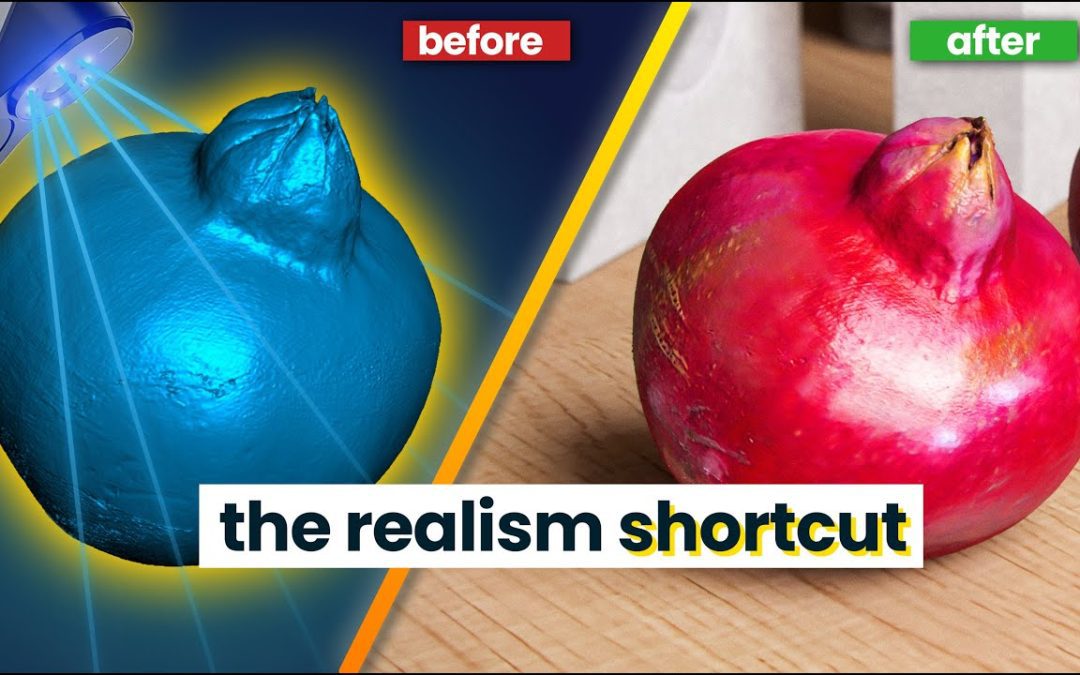
In the ever-evolving world of digital art, the ability to create realistic CGI has become a defining skill for artists and filmmakers alike. Revealing the intricacies behind this captivating process not only showcases technological advancements but also highlights the creative vision that turns imagination into lifelike imagery. As we delve into the techniques and tools that make realistic CGI possible, we uncover the artistry and innovation driving the future of visual storytelling.
How can you create realistic CGI effects?
To create realistic CGI effects, focus on accurate lighting, textures, and motion. Study real-world references and use advanced software for better realism.
What are the key techniques for creating realistic CGI in films and video games?
Creating realistic CGI in films and video games hinges on a combination of advanced techniques and meticulous attention to detail. One of the foundational elements is photorealistic rendering, where artists utilize sophisticated algorithms to simulate light interactions with surfaces. This includes techniques such as ray tracing, which accurately depicts shadows, reflections, and refractions, resulting in visuals that closely mimic real-world physics. Coupled with high-resolution textures and detailed models, these elements form the backbone of lifelike imagery that captivates audiences.
Another primordial aspect is the implementation of character animation and motion capture technology. By capturing the nuances of human movement through sensors and translating them into digital characters, animators can create performances that resonate with viewers. This technique allows for the portrayal of subtle emotions and realistic body language, which are essential for storytelling in both films and video games. Additionally, the use of rigging and skinning techniques ensures that characters move fluidly and believably within their environments.
Finally, environmental design plays a significant role in achieving realism. Artists meticulously craft backgrounds using a combination of 3D modeling and practical effects, ensuring that each element—from landscapes to urban settings—feels authentic. Incorporating dynamic elements such as weather effects, particle systems, and realistic physics further enhances immersion, making the virtual world more engaging. Together, these techniques create a seamless blend of elements that transport audiences into richly detailed and believable realms.
How can lighting and shading be effectively used to enhance CGI realism?
Lighting and shading are primordial elements in elevating the realism of computer-generated imagery (CGI). By simulating natural light sources, artists can create depth and atmosphere that draw viewers into the scene. The use of dynamic lighting—such as soft shadows, ambient occlusion, and specular highlights—mimics how light interacts with different surfaces, adding a layer of authenticity. Additionally, incorporating color temperature variations can replicate the effects of sunlight, moonlight, or artificial light, enhancing the emotional tone and spatial awareness within the composition.
Moreover, effective shading techniques play a vital role in defining the texture and form of objects. Techniques like subsurface scattering can give skin and organic materials a lifelike quality, while physically-based rendering ensures that materials react accurately to light. By carefully balancing these elements, artists can create a cohesive visual experience that feels tangible and immersive. Ultimately, the synergy of thoughtful lighting and sophisticated shading not only enhances realism but also elevates storytelling within the CGI realm.
What software tools are most commonly used for revealing and creating realistic CGI?
In the realm of creating realistic CGI, several software tools stand out for their robust capabilities and industry-wide acceptance. Autodesk Maya is a powerhouse known for its comprehensive modeling, animation, and rendering features. It allows artists to sculpt intricate designs and bring them to life with dynamic simulations. Coupled with its extensive plugin support, Maya empowers creators to push the boundaries of realism in their projects.
Another essential tool is Blender, which has gained immense popularity due to its powerful suite of features available for free. Its open-source nature encourages a vibrant community that continually enhances the software with new tools and updates. Blender excels in both modeling and rendering, particularly with the Cycles engine, which produces stunningly realistic visual effects and lighting scenarios that can rival commercial offerings.
Finally, Adobe After Effects plays a primordial role in post-production, allowing artists to refine their CGI masterpieces. With its extensive effects library and integration capabilities with other Adobe products, After Effects enables the addition of intricate details and enhancements that elevate the overall quality of the CGI work. Together, these software tools form a formidable arsenal for creators, facilitating the transition from concept to breathtaking visual reality.
How do artists ensure that CGI integrates seamlessly with live-action footage?
Artists ensure that CGI integrates seamlessly with live-action footage through meticulous attention to detail and advanced techniques. They begin by analyzing the lighting, shadows, and color palettes of the live-action scenes to create CGI elements that match these factors precisely. Motion tracking is employed to align digital objects with the camera movements in the footage, ensuring a natural interaction between the two mediums. Additionally, artists use compositing tools to blend CGI and live action, adjusting depth of field and perspective to maintain visual coherence. By harmonizing these elements, artists achieve a seamless integration that enhances storytelling and captivates audiences.
Elevate Your Visuals with Expert CGI Skills
In today’s digital landscape, captivating visuals are essential for standing out in a crowded market. Harnessing the power of Computer-Generated Imagery (CGI) can transform ordinary concepts into extraordinary visuals that engage and inspire. By leveraging expert CGI skills, businesses can create stunning imagery that not only conveys their brand message effectively but also leaves a lasting impression on their audience.
Whether you’re looking to promote a product, enhance a marketing campaign, or tell a compelling story, CGI offers versatility that traditional photography often cannot match. From hyper-realistic renderings to imaginative animations, the possibilities are endless. This technology allows creators to visualize complex ideas seamlessly and in ways that resonate deeply with viewers, making it an invaluable asset in any creative toolkit.
Moreover, investing in expert CGI skills can streamline your production process and reduce costs associated with physical shoots. With the ability to manipulate and refine visuals digitally, revisions become more efficient, leading to quicker turnaround times without sacrificing quality. Embracing CGI not only elevates your visual content but also positions your brand at the forefront of innovation, ensuring you remain competitive in an ever-evolving market.
Unlock the Secrets to Stunning Digital Realism
In an age where digital artistry knows no bounds, achieving stunning realism in your creations is both an art and a science. By mastering the interplay of light, shadow, and texture, artists can breathe life into their digital canvases. Utilizing advanced software tools and techniques, you can simulate the intricate details found in nature, from the delicate sheen of water to the roughness of aged wood. Understanding fundamental principles such as perspective and color theory further enhances your ability to create immersive environments that draw viewers in and leave them captivated.
The journey to digital realism is not merely about technical skill but also about cultivating an eye for the subtle nuances that define reality. Experimenting with different styles and seeking inspiration from the world around you can unlock new dimensions in your work. Engaging with a community of like-minded creators can provide valuable feedback and ignite fresh ideas, pushing the boundaries of your imagination. By embracing both the challenges and joys of this creative process, you can transform your digital artwork into breathtaking, lifelike representations that resonate deeply with your audience.
Transform Ideas into Lifelike Graphics
In today’s fast-paced digital landscape, transforming ideas into lifelike graphics has never been more primordial. Visual storytelling not only captivates audiences but also enhances brand identity and communication. By harnessing innovative design techniques, we can breathe life into concepts, making them both engaging and memorable. From vivid illustrations to intricate animations, the right graphics can convey complex messages at a glance, bridging the gap between imagination and reality.
Utilizing advanced tools and technologies, designers have the ability to create stunning visual representations that resonate with viewers. Whether it’s a dynamic infographic or a polished marketing campaign, the impact of high-quality graphics is undeniable. Each project becomes an opportunity to explore creativity while ensuring that the final product aligns with the core message and vision of the brand. The synergy between creativity and technology paves the way for graphics that not only look good but also serve a purpose.
As we continue to innovate in graphic design, collaboration becomes key. Engaging with clients throughout the creative process ensures that their vision is accurately translated into compelling visuals. By fostering an open dialogue, we can refine ideas and adapt to feedback, resulting in graphics that truly reflect the essence of the intended message. This commitment to collaboration and excellence elevates the standard of design, transforming ideas into lifelike graphics that leave a lasting impression.
The evolution of CGI continues to push the boundaries of creativity and technology, allowing artists to craft stunningly realistic visuals that captivate audiences. As tools and techniques advance, the potential for storytelling expands, transforming how narratives are conveyed in film, gaming, and beyond. Embracing the art of revealing and creating realistic CGI not only enhances the viewer’s experience but also paves the way for innovative expressions in the digital realm. The future of visual storytelling is bright, and the journey of discovery in this dynamic field is just beginning.
