
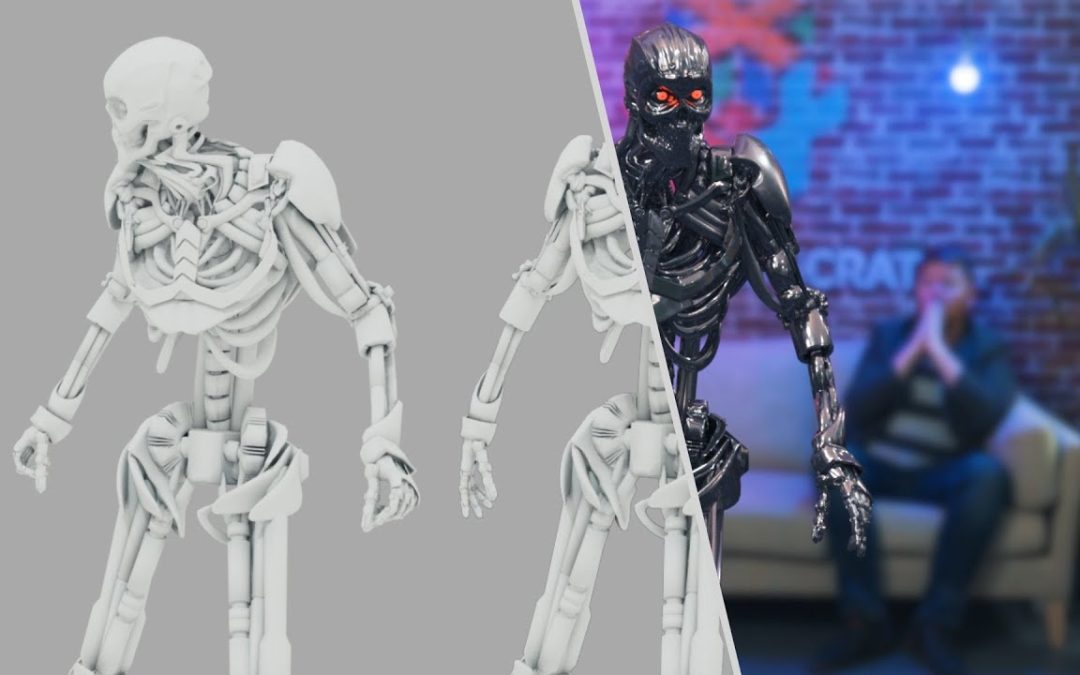
In an era where visual storytelling reigns supreme, the art of creating realistic CGI has become a cornerstone of modern filmmaking and digital media. From breathtaking landscapes to lifelike characters, the ability to seamlessly blend computer-generated imagery with reality captivates audiences and elevates narratives. However, mastering this intricate craft requires more than just advanced software; it demands an understanding of artistic principles, technical skills, and a keen eye for detail. In this article, we explore what you need to know about creating realistic CGI, equipping you with the essential tools and insights to bring your imaginative visions to life.
What techniques enhance realism in CGI creation?
Techniques include high-quality textures, accurate lighting, realistic physics, motion capture, and detailed modeling to create lifelike CGI.
What are the essential tools and software required for creating realistic CGI?
Creating realistic CGI requires a combination of powerful tools and software that cater to various aspects of the production process. At the heart of CGI creation are 3D modeling software such as Blender, Autodesk Maya, and 3ds Max. These applications allow artists to design detailed models and environments, enabling them to bring imaginative concepts to life with precision. Additionally, sculpting tools like ZBrush provide the ability to add intricate details and textures, enhancing the realism of the digital creations.
Texturing and shading are fundamental for achieving lifelike visuals, which is where software like Substance Painter and Adobe Photoshop come into play. These programs allow artists to create and manipulate textures, ensuring that surfaces reflect light and color accurately. Furthermore, rendering engines such as V-Ray, Arnold, or the built-in renderers of 3D software are essential for generating the final output, bringing together all elements of the scene while simulating realistic lighting and shadows.
Finally, compositing tools like Adobe After Effects and Nuke are vital for post-production, allowing artists to blend CGI elements with live-action footage seamlessly. These programs enable the addition of effects, color grading, and final adjustments that enhance the overall visual quality. Together, these tools form a cohesive workflow that empowers artists to produce stunning, realistic CGI that captivates audiences and elevates storytelling.
How can I improve the realism of my CGI models and animations?
To enhance the realism of your CGI models and animations, focus on meticulous attention to detail in both texture and lighting. Utilize high-resolution textures that mimic real-world surfaces, incorporating imperfections like scratches, dirt, and subtle variations in color. Employ advanced shading techniques such as physically-based rendering to achieve lifelike materials. Additionally, mastering the principles of lighting is fundamental; experiment with different light sources, angles, and intensities to create depth and dimension that resonates with natural phenomena.
Animation plays a vital role in realism, so consider the nuances of movement and timing. Study real-life motion to replicate the subtleties of weight and inertia in your characters or objects, ensuring that animations feel fluid and believable. Incorporate secondary motions, like a character’s hair or clothing reacting to movement, to add layers of authenticity. Finally, utilizing motion capture technology can provide a solid foundation for lifelike animations, allowing you to capture the intricacies of human movement and translate them into your CGI work.
Unleashing Creativity in Digital Realism
In today’s fast-paced digital landscape, the fusion of technology and artistry has given rise to a new era of creativity known as digital realism. This innovative approach transcends traditional artistic boundaries, allowing creators to craft stunning visuals that resonate with audiences on a profound level. By harnessing advanced software and tools, artists can breathe life into their imaginations, creating immersive worlds that blur the lines between reality and digital fantasy. This evolution not only enhances visual storytelling but also opens up endless possibilities for expression in various mediums, from gaming to film and beyond.
As we embrace this movement, the role of collaboration becomes increasingly vital. Artists, designers, and technologists must work together to push the envelope of what is possible, continuously exploring new techniques and styles. This synergy not only fosters an environment of growth and innovation but also encourages diverse perspectives that enrich the creative process. By unleashing creativity in digital realism, we unlock the potential for groundbreaking experiences that captivate and inspire, paving the way for the next generation of artists to redefine the future of visual art.
From Concept to Creation: Your CGI Guide
In the ever-evolving world of digital artistry, the journey from concept to creation in CGI is a thrilling adventure that transforms imaginative visions into stunning visual realities. By harnessing advanced software and artistic techniques, creators can meticulously craft lifelike characters, immersive environments, and captivating animations that breathe life into their ideas. This guide serves as a roadmap, offering insights into the essential tools, processes, and best practices that elevate CGI projects from mere sketches to breathtaking masterpieces. Whether you’re a seasoned professional or a curious newcomer, understanding these key elements can empower you to unlock your creative potential and embark on your own CGI journey.
Elevate Your Skills: Techniques for Stunning Visuals
Unlock your creative potential by mastering essential techniques that elevate your visual storytelling. Begin by exploring the fundamentals of composition, such as the rule of thirds and leading lines, which guide the viewer’s eye and create dynamic focal points. Experiment with lighting to enhance mood and depth, using natural light or controlled sources to transform ordinary scenes into captivating images. Don’t underestimate the power of color theory; understanding how colors interact can evoke emotions and set the tone for your visuals. Finally, practice is key—continuously refine your skills through experimentation and feedback, allowing your unique style to shine through in every project.
The Art and Science of Realistic CGI
In the realm of modern visual storytelling, the fusion of artistry and technology has birthed a new era in computer-generated imagery (CGI). At its core, realistic CGI hinges on the meticulous recreation of textures, lighting, and physics that mirror the real world. Artists and technicians collaborate seamlessly, employing advanced software and cutting-edge rendering techniques to breathe life into characters and environments. This intricate process transforms imaginative concepts into stunning visual experiences that captivate audiences and elevate narratives to unprecedented heights.
The science behind realistic CGI is as fascinating as the art itself. Advances in algorithms and machine learning have revolutionized the way artists create lifelike visuals. By simulating natural phenomena such as light diffusion, reflection, and shadow, CGI professionals can achieve unparalleled realism. The use of real-time rendering engines further enhances this experience, allowing creators to visualize their work interactively, making adjustments with immediate feedback. This blend of creativity and computational power enables storytellers to push the boundaries of imagination, crafting worlds that feel both fantastical and authentic.
As technology continues to evolve, the future of realistic CGI holds limitless potential. Emerging tools and techniques promise to refine the intricacies of human emotion in digital characters, making them resonate deeply with viewers. The continued exploration of virtual and augmented reality will further bridge the gap between the digital and physical worlds, creating immersive experiences that engage the senses. As artists harness the synergy of art and science, the possibilities for storytelling through CGI will only expand, inviting audiences to embark on extraordinary journeys beyond their wildest dreams.
Transforming Ideas into Lifelike Imagery
In a world where imagination knows no bounds, the ability to transform ideas into lifelike imagery is a powerful tool that bridges creativity and reality. Whether it’s through digital art, photography, or innovative design, the process of visualizing concepts breathes life into abstract thoughts, making them accessible and relatable. By harnessing modern technology and artistic skills, creators can craft stunning visuals that evoke emotion and spark inspiration, inviting audiences to engage with ideas in a dynamic and meaningful way. This transformative journey not only enriches the creative landscape but also fosters a deeper connection between visionaries and their audiences, shaping the narrative of our shared experiences.
Mastering realistic CGI is both an art and a science, requiring a keen eye for detail, a deep understanding of lighting and textures, and a willingness to experiment. By embracing the latest tools and techniques, artists can create stunning visuals that captivate and engage audiences. As technology continues to evolve, staying informed and adaptable will be key to pushing the boundaries of what’s possible in CGI, ensuring that each creation not only looks real but also tells a compelling story.
