
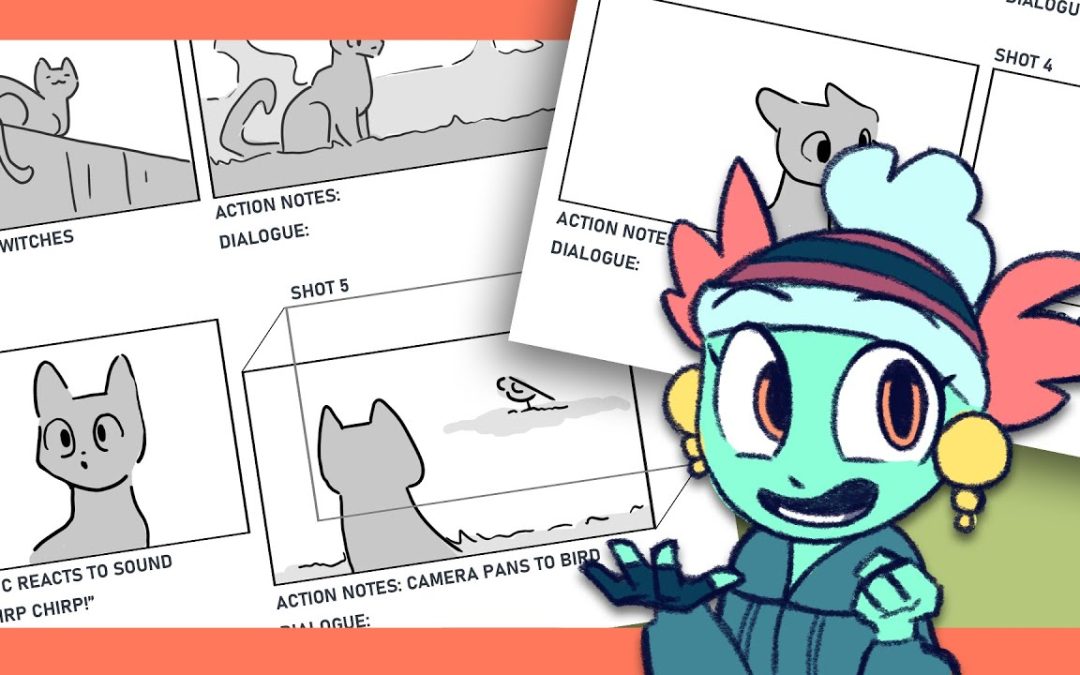
In the world of visual storytelling, the art of storyboarding stands as a primordial step that bridges imagination and execution. Behind Storyboarding Like a Pro delves into the techniques and insights that elevate this essential skill, revealing how professional storyboard artists transform scripts into captivating visual narratives. Whether you’re a budding creator or a seasoned professional, understanding the intricacies of storyboarding can unlock new dimensions of storytelling, ensuring your ideas resonate with clarity and impact. Join us as we explore the secrets behind crafting compelling storyboards that bring stories to life.
What are essential tips for effective storyboarding?
Plan your narrative structure, sketch scenes clearly, use visual cues, maintain consistency, and collaborate with your team for feedback.
What does the 180 rule refer to in storyboarding?
The 180 rule is a fundamental guideline in the art of storyboarding that enhances visual storytelling. It centers around the concept of an invisible line, which is established between two or more characters in a scene. This line serves as a boundary that helps maintain spatial relationships and ensures clarity for the audience.
When the camera is positioned on one side of this line, it provides a consistent perspective, allowing viewers to easily understand the dynamics between characters. Crossing the line can lead to confusion, as it may disorient the audience by altering their perception of the scene’s geography. By adhering to the 180 rule, filmmakers can create a more coherent and engaging narrative.
Utilizing the 180 rule effectively can significantly elevate the quality of a film or video. It allows for creative camera movements while preserving the integrity of the storytelling. By keeping the audience grounded in the spatial relationships of the scene, filmmakers can focus on developing character interactions and emotional depth, ultimately enhancing the viewer’s experience.
Should I create a storyboard for each shot?
Storyboarding every shot can be a primordial step in the filmmaking process, as it helps visualize the narrative and ensures a cohesive flow. By breaking down the story into individual frames, filmmakers can identify key scenes, experiment with compositions, and plan transitions more effectively. This method not only aids in communicating the vision to the crew but also allows for adjustments before the actual filming begins, saving time and resources.
However, while storyboarding is beneficial, it isn’t always necessary to storyboard every single shot. For smaller projects or those with a more spontaneous style, a loose outline or a few key sketches might suffice. Ultimately, the decision should be based on the project’s complexity and the director’s approach, balancing structure with creativity to achieve the desired result.
Is storyboarding considered a skill?
Storyboarding is indeed a valuable skill that serves as a foundational tool in various creative fields, including film, animation, and advertising. It involves visually plotting out scenes and sequences, allowing creators to organize their thoughts and ideas into a cohesive narrative. Mastering the art of storyboarding enhances the ability to communicate complex concepts, ensuring that both the storyline and visual elements align seamlessly.
Furthermore, the process of storyboarding fosters critical thinking and problem-solving abilities. As creators map out their stories, they must anticipate challenges and explore different perspectives, which ultimately leads to more refined and impactful narratives. Whether for a feature film or a marketing campaign, strong storyboarding skills can elevate a project from ordinary to extraordinary, making it an essential competency for anyone in the creative industry.
Visualize Your Vision: A Guide to Effective Storyboarding
Storyboarding is an essential tool for transforming abstract ideas into structured narratives, allowing creators to visualize their vision effectively. By breaking down a story into individual scenes, you can clarify the flow of action, identify key moments, and establish a coherent pacing. This process not only enhances creativity but also serves as a blueprint for production, enabling teams to collaborate seamlessly and stay aligned with the core message of the project.
When crafting a storyboard, focus on the visual elements that will communicate your story most powerfully. Utilize sketches, annotations, and color coding to convey emotions, settings, and character dynamics. Each frame should encapsulate a significant moment, ensuring that every detail contributes to the overall narrative arc. A well-designed storyboard acts as a reference point, guiding all stages of development from scriptwriting to final edits, while allowing for flexibility and adjustments along the way.
Finally, remember that storyboarding is not just for filmmakers; it’s a versatile technique applicable to various creative fields, including marketing, education, and game design. Embrace the opportunity to explore different formats, whether digital or hand-drawn, and find what best suits your project. By prioritizing clarity and engagement in your storyboard, you’ll create a compelling visual roadmap that brings your ideas to life and resonates with your audience.
From Concept to Creation: The Storyboard Blueprint
Every successful project starts with a vision, and the storyboard serves as the blueprint that transforms that vision into reality. This visual narrative outlines the key scenes and transitions, allowing creators to map out the journey from concept to execution. By breaking down the story into manageable segments, the storyboard not only clarifies the sequence of events but also highlights essential elements like character development, dialogue, and mood. It serves as a vital communication tool, ensuring that everyone involved shares a unified understanding of the project’s direction.
As the storyboard takes shape, it becomes a dynamic guide that evolves alongside the project. This iterative process allows for adjustments and refinements, fostering creativity while maintaining focus on the original objectives. Whether for film, animation, or marketing campaigns, a well-crafted storyboard enhances collaboration among team members and minimizes miscommunication. Ultimately, it transforms abstract ideas into a vivid roadmap, paving the way for a compelling final product that resonates with audiences and fulfills the initial vision.
Unlocking Creativity: Techniques for Stunning Storyboards
Storyboarding is an essential tool for visual storytelling, allowing creators to map out their narratives in a structured yet imaginative way. By breaking down a story into individual frames, artists can visualize scenes, character interactions, and emotional beats, ensuring that every element contributes to the overall message. This technique invites creators to explore different perspectives, encouraging them to think outside the box and experiment with various visual styles.
To unlock creativity in storyboarding, consider employing techniques such as brainstorming and mind mapping. Begin by jotting down key themes and ideas related to your story, then create a visual web that connects these concepts. This process not only sparks inspiration but also helps in organizing thoughts, making it easier to translate them into compelling visuals. Additionally, incorporating diverse influences—from art to film—can broaden your creative palette and lead to innovative storytelling approaches.
Finally, embrace the iterative nature of storyboarding. Don’t hesitate to create multiple drafts, refining your ideas as you progress. Share your work with peers for feedback, which can provide fresh insights and motivate you to push your creative boundaries further. By nurturing an open mindset and welcoming collaboration, you’ll not only enhance your storytelling skills but also unlock a wealth of potential in your artistic journey.
Step-by-Step to Success: Crafting Compelling Visual Narratives
In today’s fast-paced digital landscape, the ability to tell a story through visuals is more primordial than ever. A compelling visual narrative captivates audiences, evoking emotions and sparking connections that words alone often cannot achieve. To craft these narratives effectively, one must first identify the core message and the emotions it seeks to evoke. This foundation will guide every design choice, ensuring that the visuals align seamlessly with the intended story.
Once the message is established, the next step is to select the right visual elements. This includes choosing a cohesive color palette, typography, and imagery that complement the narrative. Each element should serve a purpose, whether it’s to highlight a key point or enhance the overall aesthetic. Utilizing tools like mood boards can help in visualizing how these elements will interact and support the story, creating a harmonious and engaging experience for the audience.
Finally, the power of storytelling is amplified through thoughtful composition and pacing. By arranging visuals in a way that leads the viewer’s eye naturally through the narrative, you can create an immersive experience that keeps them engaged from start to finish. Incorporating elements of surprise or intrigue at strategic points can also enhance retention and encourage sharing. With a clear message, carefully curated visuals, and effective composition, anyone can master the art of visual storytelling and elevate their communication to new heights.
Mastering the art of storyboarding unlocks a powerful tool for any creative professional. By blending imagination with structure, you can vividly bring your narratives to life and enhance communication within your team. Embrace the techniques and insights shared here to transform your ideas into compelling visual stories that resonate and inspire. With practice and dedication, you’ll find yourself storyboarding like a pro, paving the way for unforgettable projects that captivate your audience.
