
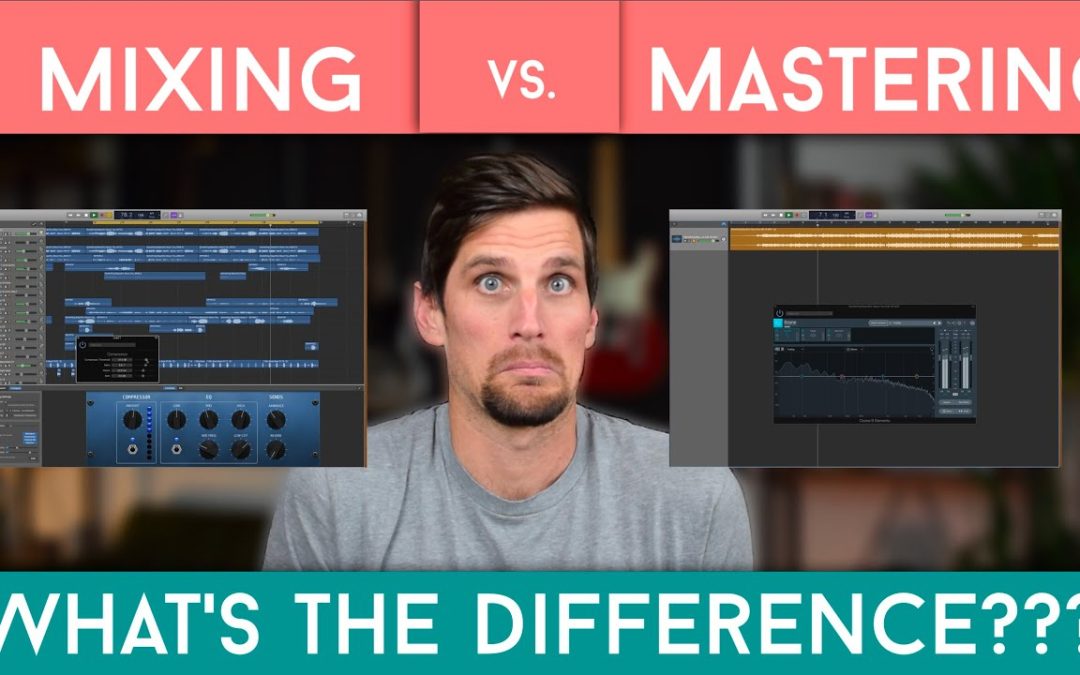
In the world of filmmaking, sound mixing plays a pivotal role in shaping the audience’s experience, yet it often goes unnoticed. Understanding sound mixing for film is essential for creating a captivating atmosphere that enhances storytelling. From dialogue clarity to immersive soundscapes, effective mixing transforms raw audio into a seamless auditory journey that complements the visual elements on screen. This article delves into the intricacies of sound mixing, offering insights into its techniques, importance, and the artistry behind the scenes that can elevate a film from ordinary to extraordinary.
What are the basics of sound mixing in film?
Understanding sound mixing for film involves balancing dialogue, sound effects, and music, ensuring clarity and emotional impact while creating an immersive audio experience.
Advantages
- Enhanced Audio Quality: Understanding sound mixing allows filmmakers to achieve a polished audio experience that complements visuals, improving overall film quality.
- Creative Control: Mastery of sound mixing techniques provides filmmakers with the ability to creatively manipulate audio elements, enhancing storytelling and emotional impact.
- Audience Engagement: Effective sound mixing can capture and maintain the audience’s attention, creating an immersive experience that draws viewers into the film’s world.
- Professionalism: A well-mixed soundtrack elevates a film’s production value, making it more appealing to distributors, festivals, and audiences.
- Problem Solving: Knowledge of sound mixing equips filmmakers to troubleshoot and resolve audio issues during production and post-production, ensuring a smoother workflow.
Disadvantages
- Complexity of Techniques: Understanding sound mixing for film requires knowledge of various technical techniques and tools, which can be overwhelming for beginners and may lead to confusion.
- Time-Consuming Process: The sound mixing process can be lengthy, often requiring significant time for adjustments, reviews, and reworks, which can delay project timelines.
- High Costs: Investing in professional sound mixing services or high-quality equipment can be expensive, making it less accessible for independent filmmakers or small productions.
- Subjectivity of Sound: Sound mixing is subjective, and what sounds good to one person may not resonate with another, leading to potential disagreements among team members or with audiences.
- Dependence on Technology: A strong understanding of sound mixing relies heavily on technology, which can become outdated or malfunction, impacting the quality of the final product.
What is sound mixing and why is it important in film production?
Sound mixing is the art and technique of combining various audio elements in a film to create a cohesive auditory experience. This process involves balancing dialogue, sound effects, and musical scores, ensuring that each component complements the others without overpowering them. By meticulously adjusting levels, frequencies, and spatial placements, sound mixers craft an immersive environment that enhances storytelling and emotional engagement.
In film production, sound mixing plays a critical role in conveying mood and atmosphere. The right mix can elevate a scene, drawing viewers deeper into the narrative by aligning the audio landscape with the visual elements. For instance, a well-mixed score can heighten tension during a climactic moment, while subtle sound effects can create a sense of realism. This synergy between sound and image is essential for maintaining audience interest and investment in the film.
Ultimately, sound mixing is vital for delivering a polished final product that resonates with viewers. It ensures that every sound is intentional and effective, contributing to the film’s overall impact. A carefully executed sound mix can distinguish a great film from a mediocre one, transforming it into a captivating experience that lingers long after the credits roll.
How does sound mixing differ from sound editing in filmmaking?
Sound mixing and sound editing are two distinct yet complementary processes in filmmaking that contribute to the overall auditory experience of a film. Sound editing involves the selection, manipulation, and arrangement of sound elements, including dialogue, sound effects, and ambient sounds. This phase focuses on creating a cohesive auditory landscape that supports the narrative, ensuring that every sound serves a purpose and enhances the storytelling.
In contrast, sound mixing takes place after the editing process and involves balancing and blending all the audio elements to create a polished final product. During mixing, sound professionals adjust levels, apply effects, and ensure clarity and spatial dynamics, allowing the audience to fully immerse themselves in the film’s atmosphere. Together, sound editing and mixing form the backbone of a film’s audio design, each playing a importante role in crafting a seamless and engaging viewer experience.
What are the key elements to consider when mixing sound for a film?
Mixing sound for a film is a multifaceted process that requires careful attention to several key elements. First and foremost, dialogue clarity is paramount; the audience must easily understand the characters’ conversations. This involves balancing the vocal levels with background sounds and ensuring that any ambient noise does not overshadow the dialogue. Utilizing techniques like equalization and compression can enhance vocal presence, making them feel more intimate and engaging.
In addition to dialogue, the integration of sound effects plays a importante role in creating a believable and immersive environment. Sound effects should complement the visuals, reinforcing actions and movements to enhance the storytelling. Attention to detail, such as matching the volume and tone of effects to the on-screen actions, helps maintain the film’s realism. Furthermore, layering effects can add depth, allowing for a richer auditory experience that captivates the audience.
Finally, the musical score serves as a powerful emotional driver within a film. It must be meticulously mixed to support the narrative without overpowering other audio elements. The timing and dynamics of the music should align with the film’s pacing, enhancing key moments and transitions. By harmonizing dialogue, sound effects, and music, filmmakers can create a cohesive auditory landscape that enriches the viewing experience and resonates with the audience long after the credits roll.
How can I improve the sound mixing quality of my film projects?
Improving the sound mixing quality of your film projects begins with investing in the right tools and technology. Utilizing high-quality microphones and audio interfaces can significantly enhance sound capture during filming. Additionally, employing digital audio workstations (DAWs) that offer advanced editing features allows for precise adjustments and creative effects during the mixing process. Familiarizing yourself with sound design principles, such as the importance of background noise and sound layering, can also elevate the overall auditory experience.
Beyond equipment and software, collaboration is key to achieving superior sound quality. Working closely with a skilled sound designer or mixer can provide valuable insights and expertise, allowing for richer, more dynamic audio. Conducting thorough sound checks and ensuring a controlled recording environment minimizes unwanted noise and interference. By combining technical proficiency with creative collaboration, you can create a polished and immersive soundscape that enhances the storytelling of your film projects.
Elevate Your Audio Skills for Cinematic Success
In the realm of filmmaking, audio plays a importante role in shaping the audience’s experience. By mastering the intricacies of sound design, from dialogue clarity to atmospheric effects, you can elevate your projects to new heights. Understanding the balance between music, sound effects, and silence allows you to create a rich tapestry of audio that enhances storytelling and captivates viewers. Learning to utilize advanced tools and techniques will empower you to manipulate sound creatively, ensuring that every scene resonates emotionally and effectively.
As you hone your audio skills, consider the importance of collaboration within a team. Engaging with directors, editors, and sound engineers fosters a holistic approach to sound production, ensuring that your contributions align with the overall vision of the film. Embrace feedback and experimentation, as these elements are essential for growth in any artistic endeavor. By committing to continuous learning and innovation in audio, you pave the way for cinematic success, transforming your projects into immersive experiences that leave a lasting impact on audiences.
From Dialogue to Soundtrack: Perfecting Every Layer
In the intricate world of filmmaking, every element plays a pivotal role in shaping the audience’s experience, and the journey from dialogue to soundtrack is where magic truly happens. Dialogue sets the stage, guiding viewers through the emotional landscape of the story, while sound design and music enhance each moment, creating an immersive atmosphere. By meticulously layering these components, filmmakers can evoke powerful emotions, drawing audiences deeper into the narrative. The seamless integration of spoken word and auditory backdrop transforms a simple scene into a captivating journey, ensuring that every whisper, laugh, and note resonates long after the credits roll.
Unlocking the Secrets of Professional Sound Design
In the world of sound design, the magic lies in the delicate balance between creativity and technology. Professionals harness a diverse array of tools, from intricate software to high-quality microphones, to craft immersive audio experiences that captivate audiences. By understanding the nuances of sound waves and employing innovative techniques, sound designers can evoke emotions, enhance storytelling, and transport listeners into new realms. Whether it’s the subtle rustle of leaves in a film or the pulsating beats in a video game, mastering these elements unlocks the potential for unforgettable auditory journeys.
Transforming Raw Audio into Captivating Experiences
In today’s digital age, the power of sound has never been more significant. With advanced technology, transforming raw audio into captivating experiences is within reach for creators and brands alike. By harnessing sophisticated editing tools and innovative sound design techniques, it’s possible to elevate ordinary recordings into immersive auditory journeys that resonate with audiences. Whether it’s a podcast, music track, or an advertisement, the art of audio transformation can evoke emotions, build connections, and enhance storytelling.
Captivating audio experiences not only engage listeners but also leave a lasting impact. By integrating elements like spatial audio, dynamic soundscapes, and polished production, creators can craft unique atmospheres that draw listeners in and keep them hooked. As the competition for attention intensifies, investing in high-quality audio becomes essential for anyone looking to stand out in a crowded marketplace. The journey from raw sound to captivating experience is not just a technical process; it’s an artistic endeavor that can redefine how audiences perceive and connect with content.
The Art and Science Behind Flawless Mixing Techniques
Mastering the art of mixing is a blend of creativity and precision, where the right techniques can transform simple ingredients into culinary masterpieces. From the rhythmic swirls of a whisk to the delicate balance of flavors, each mixing method serves a unique purpose, enhancing the overall texture and taste of the dish. Understanding the science behind these techniques allows cooks to achieve the desired consistency, whether it’s a light, airy meringue or a rich, smooth batter.
The choice of mixing tools plays a pivotal role in achieving flawless results. Electric mixers, spatulas, and even traditional wooden spoons each bring their own advantages to the kitchen. For instance, using a stand mixer can save time and effort when whipping large quantities, while a hand whisk provides greater control for delicate mixtures. By selecting the appropriate tool for the task at hand, cooks can ensure that every ingredient is evenly incorporated, resulting in a harmonious blend of flavors.
Incorporating the right mixing techniques not only enhances the culinary experience but also elevates the presentation of the dish. Techniques such as folding, beating, and sifting can significantly impact the final outcome, allowing for greater creativity in plating and flavor combinations. When cooks understand the nuances of mixing, they unleash a world of possibilities, turning everyday meals into extraordinary dining experiences that delight both the palate and the eye.
Mastering the art of sound mixing for film is essential for creating an immersive cinematic experience that resonates with audiences. By harmonizing dialogue, sound effects, and music, filmmakers can elevate their storytelling and evoke powerful emotions. As technology continues to evolve, staying informed and adaptable in sound mixing techniques will empower creators to push the boundaries of their craft and engage viewers like never before.
