
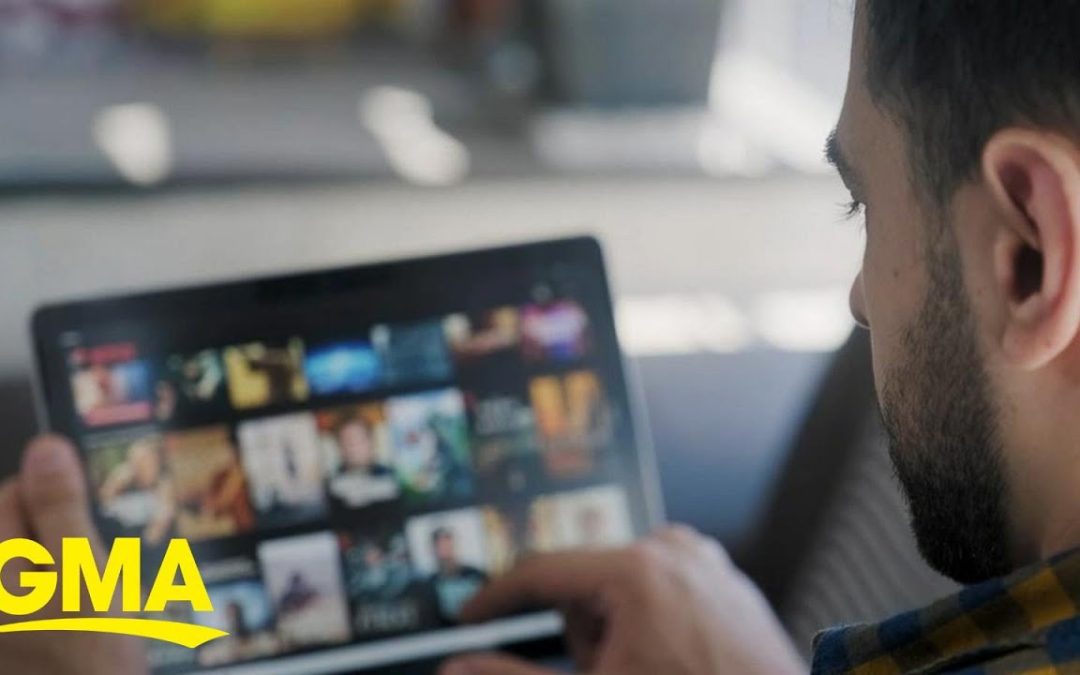
As the landscape of entertainment continues to evolve, the debate between streaming and traditional theaters intensifies. With the convenience of watching films from home and the immersive experience of the big screen, audiences find themselves at a crossroads. This article delves into the advantages and challenges of both platforms, examining how they shape our viewing habits and influence the future of cinema. Join us as we explore the dynamic interplay between streaming services and theaters, and discover what it means for film lovers everywhere.
Is streaming cinema replacing traditional theaters?
Streaming is increasingly popular but traditional theaters still provide a unique experience. Both can coexist, catering to different audience preferences.
What are the main differences between streaming movies and watching them in theaters?
Streaming movies offers the convenience of watching from the comfort of home, allowing viewers to choose their own schedules and create a personalized viewing experience. In contrast, theaters provide a unique atmosphere, with large screens and immersive sound systems that enhance the cinematic experience, making it a social event where audiences can share reactions with others. Additionally, streaming services often have vast libraries accessible anytime, while theaters typically showcase limited selections for a short period. Ultimately, the choice between streaming and theaters hinges on personal preference for convenience versus the thrill of a shared, immersive experience.
How has the rise of streaming services impacted the traditional theater experience?
The rise of streaming services has fundamentally transformed the traditional theater experience, creating both challenges and opportunities for the film industry. As audiences increasingly turn to platforms like Netflix and Hulu for their entertainment, theaters have faced dwindling attendance and box office revenues. This shift has prompted theaters to rethink their offerings, focusing on enhancing the viewing experience with luxury seating, gourmet concessions, and exclusive screenings of major releases to lure audiences back into the cinema.
However, streaming services have also sparked a new wave of creativity and diversity in filmmaking. Independent filmmakers now have greater access to global audiences, often bypassing traditional distribution channels that were once gatekeepers to success. This democratization of content has led to a richer variety of films being produced, which in turn can rejuvenate interest in theaters as they showcase unique indie films alongside blockbuster hits. As both mediums continue to evolve, the interplay between streaming and traditional theaters may redefine how we consume and appreciate film.
Are there certain types of films that are better suited for streaming rather than theaters?
In today’s digital age, certain types of films thrive in the streaming environment, catering to diverse audience preferences and viewing habits. Intimate dramas, quirky indie films, and niche documentaries often find their home on streaming platforms, allowing viewers to engage with stories that may not have the mass appeal necessary for theatrical success. Additionally, serialized content, like limited series or multi-episode narratives, benefits from the binge-watching culture that streaming fosters, encouraging deeper connections with characters and plots. While blockbuster spectacles still draw crowds to theaters, the convenience and accessibility of streaming make it an ideal venue for films that prioritize character-driven storytelling and unique perspectives.
What factors should I consider when deciding whether to watch a movie in a theater or stream it at home?
When deciding between watching a movie in a theater or streaming it at home, one important factor to consider is the experience. The theater offers a unique atmosphere with large screens, surround sound, and a communal environment that can enhance the emotional impact of a film. For blockbuster releases or visually stunning movies, the theatrical experience can be hard to replicate at home, making it a compelling choice for those seeking an immersive adventure.
Another key aspect to think about is convenience and cost. Streaming at home allows for greater flexibility regarding timing and comfort; you can pause, rewind, or enjoy the film in your favorite pajamas. Additionally, consider the financial implications—movie tickets, especially for premium formats, can add up quickly compared to a subscription service or renting a film online. Weighing your budget against the potential enjoyment of a theater outing can help guide your decision.
Lastly, consider the film itself and your personal preferences. Some movies are specifically designed for the big screen, while others might be just as enjoyable at home. If you’re eager to engage in discussions with fellow moviegoers or participate in a shared viewing experience, the theater might be the way to go. On the other hand, if you’re looking for a more relaxed and private viewing, streaming might suit you better. Ultimately, finding the right balance between experience, cost, and personal taste will help you make the best choice.
Unpacking the Future of Entertainment
The future of entertainment is poised for a dramatic transformation, driven by advancements in technology and shifting consumer preferences. As immersive experiences become more prevalent, virtual reality and augmented reality are set to redefine how audiences interact with content, blurring the lines between the digital and physical realms. Streaming services will continue to dominate, but personalization through AI will tailor experiences to individual tastes, making content discovery more intuitive and engaging. Meanwhile, the rise of interactive storytelling will empower viewers to shape narratives, fostering deeper connections with characters and plots. This dynamic landscape promises not only to enhance how we consume entertainment but also to cultivate a more participatory culture, where creativity knows no bounds.
Where Will You Watch: Home or Cinema?
The debate between watching films at home versus in the cinema has gained momentum as streaming services continue to flourish. For many, the comfort of home offers a personal touch, allowing viewers to enjoy movies on their own terms—snacking freely, pausing for breaks, and curling up in cozy attire. The allure of unlimited choices at your fingertips means you can explore a vast library of genres without the constraints of showtimes, making it easy to find something that suits your mood.
On the other hand, the cinematic experience brings a unique thrill that home viewing simply cannot replicate. The grandeur of a large screen, combined with immersive sound systems, transforms a movie into an event. The shared laughter, gasps, and emotional reactions of an audience enhance the storytelling, creating a communal atmosphere that can make even mediocre films memorable. For avid moviegoers, the cinema is a sacred space where the magic of film comes alive, and the experience is as much about the environment as it is about the story.
Ultimately, the choice between home and cinema hinges on personal preference and the nature of the film itself. Some blockbusters demand the larger-than-life experience that only a theater can provide, while intimate dramas might be best suited for a quiet night in. Whether you choose to grab popcorn at your local multiplex or settle into your couch with a glass of wine, the joy of watching movies remains a cherished pastime that adapts to suit every viewer’s lifestyle.
The Showdown: Digital vs. Traditional Experience
In an increasingly digital world, the clash between digital and traditional experiences is more pronounced than ever. Digital platforms offer unprecedented convenience and accessibility, allowing users to engage with content at their own pace, from anywhere in the world. With interactive features and real-time updates, digital experiences can be tailored to individual preferences, creating a dynamic and personalized interaction that resonates with modern audiences.
Conversely, traditional experiences bring a sense of authenticity and nostalgia that digital mediums often struggle to replicate. Whether it’s the tactile joy of holding a printed book or the communal atmosphere of a live event, these experiences foster deeper emotional connections. For many, the charm of face-to-face interactions and the richness of physical products create a memorable impact that transcends screens. As both realms evolve, the challenge lies in finding a balance that honors the strengths of each, enriching our overall engagement with the world around us.
Ticket Prices and Streaming Subscriptions: A Cost Analysis
As the entertainment landscape evolves, the financial dynamics of consuming media have shifted significantly. Ticket prices for live events, such as concerts and theater performances, have seen a steady increase over the years, reflecting rising production costs and demand for high-quality experiences. In contrast, streaming subscriptions offer a more affordable and accessible alternative, enabling audiences to enjoy a vast array of content from the comfort of their homes. This shift raises important questions about value and experience in the world of entertainment.
When assessing the cost-effectiveness of ticket purchases versus streaming subscriptions, it’s essential to consider not just the monetary aspect but also the overall experience. A live event offers a unique atmosphere, the thrill of being part of an audience, and an unforgettable connection with performers. Conversely, streaming services provide flexibility, allowing viewers to enjoy their favorite shows and movies on demand, often for a fraction of the price of a single ticket. This contrast underscores the differing priorities of consumers as they navigate their entertainment options.
Ultimately, the choice between purchasing tickets for live events and subscribing to streaming services hinges on individual preferences and values. For those who cherish the excitement of live performances and the communal experience, the higher ticket prices may seem justified. However, for budget-conscious consumers seeking variety and convenience, streaming subscriptions present a compelling alternative. As the industry continues to adapt, understanding these cost dynamics will be crítico for both consumers and providers aiming to meet the evolving demands of entertainment enthusiasts.
Audience Preferences: Shifting Trends in Viewing Habits
In recent years, audience preferences have undergone a significant transformation, reshaping the landscape of entertainment consumption. The rise of streaming services has given viewers unprecedented control over what, when, and how they watch their favorite shows and films. This shift has led to an increasing demand for on-demand content, allowing audiences to engage with entertainment that aligns with their personal tastes and schedules, rather than adhering to traditional broadcasting timetables.
As viewers become more discerning, the importance of diverse and quality content has surged. Audiences are now gravitating towards platforms that offer a wide array of genres and unique storytelling. This trend has prompted creators and producers to prioritize originality and inclusivity, catering to varied demographics and interests. The result is a more vibrant and eclectic mix of programming that not only entertains but also resonates with a broader spectrum of viewers.
Additionally, the integration of social media into the viewing experience has transformed how audiences interact with content. Platforms like TikTok and Instagram serve as powerful tools for engagement, creating communities around shows and fostering discussions among fans. This interplay between content and social media not only amplifies audience participation but also influences viewing habits, as recommendations and trends can quickly shift preferences. As these dynamics evolve, understanding audience preferences will remain crítico for content creators aiming to capture and retain viewer attention in a competitive market.
As the landscape of entertainment continues to evolve, the debate between streaming and theaters remains a pivotal topic for audiences and filmmakers alike. Each platform offers unique experiences, from the communal thrill of a big-screen premiere to the convenience of watching from home. Ultimately, the choice comes down to personal preference, shaped by lifestyle, mood, and the type of cinematic experience one seeks. Embracing both mediums may be the key to enjoying the best of what modern storytelling has to offer.
