
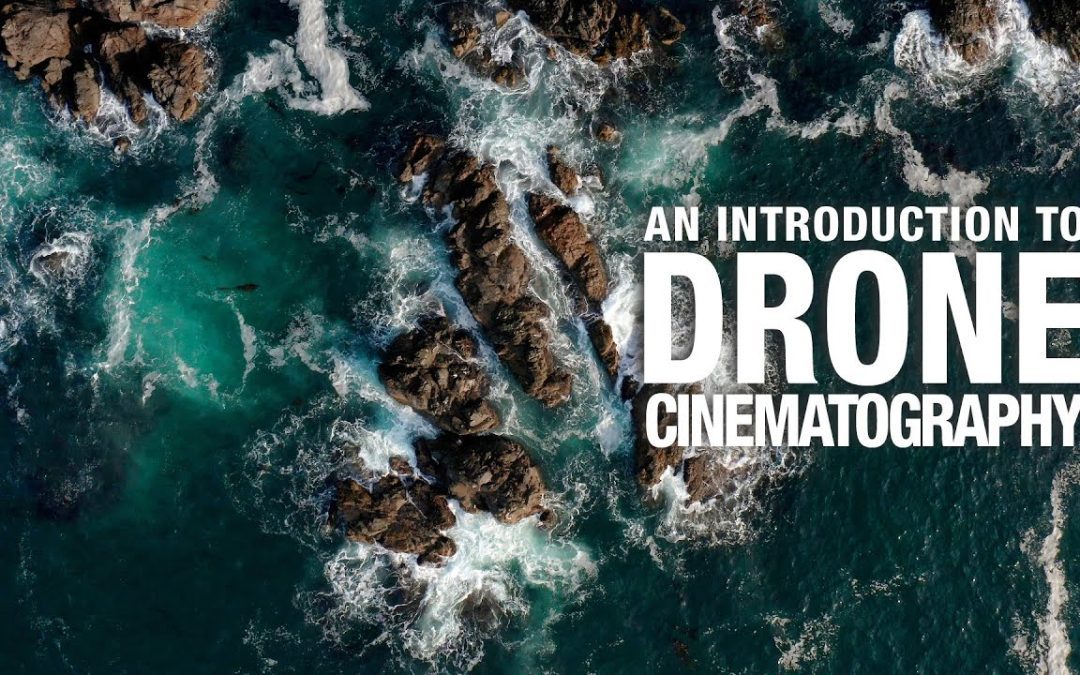
In recent years, drones have revolutionized the filmmaking landscape, offering filmmakers unprecedented perspectives and creative possibilities. Understanding how to effectively use drones in filmmaking not only enhances visual storytelling but also elevates production value without breaking the budget. This article delves into the essential techniques, tips, and considerations for harnessing drone technology, enabling filmmakers to capture breathtaking aerial shots that engage and captivate audiences. Whether you’re a seasoned professional or an aspiring creator, mastering the art of drone cinematography can transform your projects from ordinary to extraordinary.
How do drones enhance filmmaking techniques?
Drones enhance filmmaking by providing unique aerial perspectives, smooth tracking shots, and the ability to access hard-to-reach locations, elevating storytelling and visual appeal.
What are the legal requirements for using drones in filmmaking?
Using drones in filmmaking has gained immense popularity, but it comes with a set of legal requirements that filmmakers must navigate. First and foremost, operators must obtain the necessary licenses and permits. In many countries, this involves acquiring a remote pilot certificate from the relevant aviation authority, which ensures that the operator understands the rules of the airspace and can safely manage the drone during operations. Additionally, filmmakers must register their drones with the appropriate regulatory body, typically if the drone weighs over a certain threshold.
Furthermore, compliance with local regulations is clave. This includes respecting no-fly zones, which are often established around airports, military bases, and densely populated areas. Filmmakers should also be aware of privacy laws, as capturing footage in public spaces can lead to legal issues if individuals feel their privacy has been infringed upon. To mitigate risks, many filmmakers choose to notify local authorities about their drone operations, especially if filming in sensitive areas.
Lastly, insurance plays a pivotal role in legally operating drones for filmmaking. Obtaining liability insurance protects filmmakers from potential claims resulting from accidents or damages caused by drone operations. By adhering to these legal requirements, filmmakers can ensure a smooth production process while harnessing the creative power of drone technology, ultimately enhancing their storytelling capabilities.
How can I ensure the safety of my crew and equipment while filming with drones?
Ensuring the safety of your crew and equipment while filming with drones begins with thorough planning and risk assessment. Before the shoot, scout the location to identify potential hazards, such as power lines, crowded areas, or wildlife. Create a detailed flight plan that includes designated takeoff and landing zones, as well as emergency procedures. This preparation will help mitigate risks and ensure everyone is aware of their responsibilities during the shoot.
Next, invest in proper training and certification for your drone operators. Familiarize them with local regulations and airspace restrictions to avoid legal issues. Additionally, ensure that all crew members are briefed on safety protocols, including maintaining a safe distance from the drone during operation. Regular equipment checks and maintenance are essential to prevent technical failures that could lead to accidents, so make this a standard part of your pre-flight routine.
Finally, prioritize communication throughout the filming process. Use hand signals or radios to keep everyone informed about the drone’s movements and any potential hazards. Establish a clear chain of command, so that decisions can be made swiftly and effectively in case of an emergency. By combining careful planning, proper training, and open communication, you can significantly enhance the safety of your crew and equipment while capturing stunning aerial footage.
Elevate Your Skills: Techniques for Stunning Aerial Shots
Capturing stunning aerial shots requires a blend of technique, creativity, and understanding of your environment. Start by mastering the basics of composition; use the rule of thirds to create balanced images that draw the viewer’s eye. Experiment with different altitudes and angles to find unique perspectives that showcase the landscape’s beauty. Timing is also clave—golden hour light can transform an ordinary scene into something magical, enhancing colors and shadows. Lastly, practice smooth movements and transitions with your drone or camera to ensure your footage is visually appealing, resulting in breathtaking aerial shots that elevate your skills to new heights.
From Beginner to Pro: Your Complete Drone Journey
Embarking on your drone journey opens up a world of possibilities, whether you’re looking to capture stunning aerial photography, explore new landscapes, or enter the competitive realm of drone racing. Starting as a beginner, it’s essential to familiarize yourself with the basics, from understanding drone components to mastering flight controls. Investing in a reliable entry-level drone can set the foundation for your skills, allowing you to practice and gain confidence in various flying conditions. Online tutorials and community forums can further enhance your learning experience, providing valuable tips and insights from seasoned pilots.
As you progress from novice to pro, gradually introducing advanced techniques will elevate your capabilities. Experimenting with different flight modes, exploring aerial cinematography, and understanding the regulations governing drone usage will empower you to take full advantage of your drone’s potential. Joining local drone clubs or participating in workshops can also foster connections with fellow enthusiasts, offering opportunities to share experiences and learn from one another. With dedication and practice, your drone journey will not only enhance your technical skills but also ignite your creativity, allowing you to capture breathtaking perspectives that were once out of reach.
Capture the Sky: Essential Tips for Cinematic Success
To achieve cinematic success in capturing the sky, focus on timing, composition, and equipment. Golden hours—just after sunrise and before sunset—offer the best natural lighting for stunning visuals. Experiment with different angles and perspectives, incorporating foreground elements to create depth and interest in your shots. A sturdy tripod is essential for stability, especially during low-light conditions, while a polarizing filter can enhance colors and reduce glare. Remember, patience is key; waiting for the perfect moment can transform an ordinary sky into a breathtaking masterpiece.
Navigate the Clouds: Filmmaking Strategies Unveiled
In the ever-evolving landscape of filmmaking, navigating the complexities of production requires a blend of creativity and strategic planning. Filmmakers are now leveraging advanced technology and innovative techniques to craft compelling narratives while staying within budget. Embracing tools like virtual production and real-time rendering not only enhances visual storytelling but also streamlines the collaborative process among cast and crew. This modern approach allows filmmakers to maintain artistic integrity while adapting to the demands of a fast-paced industry.
Moreover, the importance of pre-production cannot be overstated in today’s cinematic environment. Detailed planning, from storyboarding to location scouting, sets the foundation for a successful shoot. By utilizing comprehensive shot lists and engaging in thorough rehearsals, filmmakers can ensure that each scene aligns seamlessly with their vision. These strategies not only foster a more efficient workflow but also empower creatives to focus on what truly matters: bringing their stories to life amidst the clouds of uncertainty that often accompany the filmmaking journey.
Unlocking Aerial Creativity: Tools and Tricks for Filmmakers
In the ever-evolving world of filmmaking, aerial shots have become essential for capturing breathtaking visuals that elevate storytelling. Drones equipped with high-resolution cameras allow filmmakers to explore new perspectives and create dynamic scenes that were once only possible with expensive helicopter rentals. With user-friendly software and advanced stabilization technology, even novice creators can masterfully navigate the skies, adding a compelling layer of depth and emotion to their narratives.
To harness the full potential of aerial footage, filmmakers should invest time in understanding the principles of composition and lighting from above. Planning shots meticulously and employing techniques like the rule of thirds can dramatically enhance the visual impact of aerial scenes. Additionally, staying updated on drone regulations and best practices ensures a safe and legal flying experience. By combining innovative tools with a creative mindset, filmmakers can unlock a new realm of possibilities, transforming their projects into stunning visual journeys.
Mastering the art of using drones in filmmaking opens up a world of creative possibilities, transforming how stories are told from breathtaking aerial perspectives. As technology continues to evolve, filmmakers are equipped with tools that enhance visual storytelling, allowing for greater artistic expression and innovation. Embracing this aerial technology not only elevates production quality but also inspires new narratives, making it an essential skill for any aspiring filmmaker in today’s dynamic landscape.
