
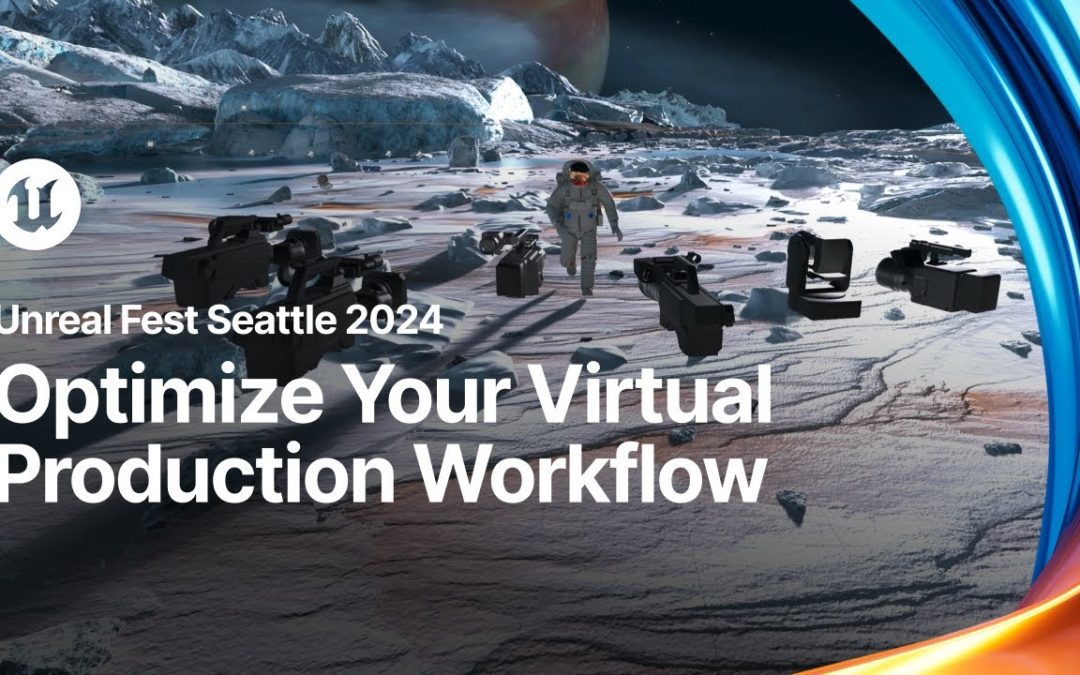
In today’s rapidly evolving digital landscape, the entertainment industry is undergoing a profound transformation through the advent of virtual production tools. These innovative technologies are reshaping how filmmakers create immersive experiences, blending physical and virtual elements seamlessly on set. By harnessing the power of real-time rendering and advanced visual effects, creators can explore new storytelling possibilities, enhance collaboration, and streamline production processes. As we delve into the world of virtual production tools, we uncover the potential to revolutionize filmmaking and redefine the boundaries of creativity.
What are the benefits of virtual production tools?
Virtual production tools enhance creativity, improve collaboration, streamline workflows, reduce costs, and enable real-time visual effects, making filmmaking more efficient and innovative.
What are virtual production tools and how do they differ from traditional filmmaking techniques?
Virtual production tools represent a revolutionary shift in the filmmaking landscape, blending real-time technology with traditional storytelling methods. Utilizing advanced software and hardware, these tools allow filmmakers to create immersive environments and dynamic scenes in a virtual space. By integrating live-action footage with computer-generated imagery in real-time, filmmakers can visualize complex scenes on set, enhancing collaboration and creativity. This innovative approach not only streamlines the production process but also provides filmmakers with unprecedented flexibility in their storytelling.
In contrast to traditional filmmaking techniques, which often rely heavily on post-production for visual effects and scene composition, virtual production emphasizes real-time interaction and immediate feedback. With tools like LED volumes, motion capture, and game engine technology, directors and cinematographers can manipulate virtual elements live, ensuring that the final product aligns closely with their creative vision. This not only reduces the time and cost associated with reshoots and extensive editing but also fosters a more collaborative environment among the entire production team, ultimately elevating the storytelling experience.
How can I get started with exploring virtual production tools for my projects?
Exploring virtual production tools can significantly enhance your creative projects by merging real-time technology with traditional filmmaking techniques. To get started, familiarize yourself with the foundational concepts of virtual production, such as real-time rendering, LED wall technology, and motion capture. Online courses and tutorials provide a wealth of information, helping you understand how to integrate these tools into your workflow. Additionally, engaging with industry forums and communities can offer insights and tips from experienced professionals.
Once you have a grasp of the basics, consider experimenting with popular virtual production software such as Unreal Engine or Unity. These platforms offer robust features that allow for immersive environments and interactive elements. Begin with small projects, utilizing pre-existing assets to create your scenes, and gradually incorporate more complex elements as your skills develop. This hands-on experience will be invaluable in understanding the intricacies of virtual production.
Networking with others in the industry can open doors to collaboration and mentorship opportunities. Attend workshops, webinars, and industry events focused on virtual production to connect with like-minded creators and professionals. Sharing your projects on social media or platforms like Vimeo can also attract feedback and constructive criticism, further aiding your growth. By combining education, practice, and community engagement, you’ll be well on your way to mastering virtual production tools for your projects.
What are the key benefits of using virtual production tools in the filmmaking process?
Virtual production tools revolutionize the filmmaking process by seamlessly blending physical and digital environments. By utilizing real-time rendering and advanced graphics technology, filmmakers can create immersive settings that enhance storytelling. This integration allows for a more dynamic creative process, enabling directors and cinematographers to visualize scenes in real time, making adjustments on the fly and ensuring a cohesive vision from the start.
One of the standout benefits of virtual production is its ability to streamline workflows. Traditional filmmaking often requires extensive planning and logistics when it comes to location shoots, but virtual environments can be created and modified swiftly, saving both time and resources. This efficiency not only reduces the costs associated with travel and set construction but also allows for more experimentation and innovation, giving filmmakers the freedom to push creative boundaries.
Moreover, virtual production fosters collaboration across various departments. With shared access to digital assets, teams such as visual effects, art direction, and cinematography can work in tandem, leading to a more unified approach to the project. This collaborative effort results in a more polished final product, where every element aligns perfectly with the director’s vision, ultimately enriching the viewer’s experience and elevating the art of filmmaking.
Are there specific software or hardware recommendations for beginners interested in virtual production?
For beginners venturing into virtual production, it’s essential to start with user-friendly software that balances power and accessibility. Programs like Unreal Engine and Unity are excellent choices, offering robust tools for real-time rendering and a plethora of tutorials to guide newcomers. Additionally, tools such as Adobe After Effects can enhance post-production capabilities, enabling users to integrate visual effects seamlessly. These platforms foster creativity while providing the foundational skills necessary for more advanced projects.
On the hardware side, investing in a capable workstation is fundamental for optimal performance. A computer equipped with a powerful GPU, such as NVIDIA’s RTX series, will significantly improve rendering speeds and overall workflow efficiency. Coupled with at least 16GB of RAM and a fast SSD for storage, this setup will ensure a smooth experience while exploring the intricacies of virtual production. As beginners gain confidence, they can gradually enhance their toolkit and capabilities, setting the stage for more complex productions.
Unlocking the Future of Filmmaking
The future of filmmaking is poised for a remarkable transformation, driven by advancements in technology and innovative storytelling techniques. As virtual reality and augmented reality become more mainstream, filmmakers are presented with unprecedented opportunities to immerse audiences in their narratives. These cutting-edge tools not only expand the creative possibilities but also foster deeper emotional connections between viewers and the stories being told.
Artificial intelligence is also playing a pivotal role in reshaping the filmmaking landscape. From scriptwriting to post-production, AI-driven tools are streamlining processes, allowing filmmakers to focus on the art of storytelling rather than getting bogged down by technical challenges. This shift not only enhances efficiency but also democratizes filmmaking, enabling aspiring creators to bring their visions to life with fewer resources.
Moreover, the rise of streaming platforms has revolutionized content distribution, giving filmmakers access to global audiences without the constraints of traditional media. Independent filmmakers can now showcase their work to millions, fostering a diverse array of voices and narratives. As collaboration across borders becomes easier, the industry is set to flourish with fresh perspectives, ultimately unlocking a future where creativity knows no bounds.
Elevate Your Creative Workflow
In today’s fast-paced digital landscape, streamlining your creative workflow is essential for maximizing productivity and unleashing innovation. By adopting a systematic approach to your projects, you can minimize distractions and focus on what truly matters: your ideas. Embracing tools that facilitate collaboration and organization can help you maintain clarity and keep your creative juices flowing.
Harnessing technology to enhance your creative process can lead to more efficient brainstorming sessions and smoother project transitions. Utilizing project management software and digital collaboration platforms allows teams to share insights and resources seamlessly, fostering an environment ripe for creativity. When everyone is on the same page, the potential for groundbreaking ideas becomes limitless.
Moreover, integrating time management techniques into your routine can significantly elevate your creative output. Setting aside dedicated blocks for focused work, coupled with regular breaks, helps to recharge your mind and enhance overall creativity. By refining your workflow and prioritizing tasks, you can cultivate an atmosphere that not only inspires innovation but also brings your creative vision to life.
Transforming Ideas into Visual Reality
In a world where creativity knows no bounds, the ability to transform ideas into visual reality is paramount. This process begins with a spark of inspiration, an abstract thought that yearns to be expressed. Through innovative design techniques and cutting-edge technology, concepts take shape, evolving from mere imagination into striking visuals. Each step of this journey is meticulously crafted, ensuring that the final product resonates with its intended audience and conveys a powerful message.
As we navigate this dynamic landscape, collaboration becomes a vital ingredient in the creative process. By bringing together diverse perspectives and expertise, we unlock new dimensions of creativity that enhance our visual storytelling. From brainstorming sessions to the final touches of a project, every interaction fuels the transformation of ideas into compelling visuals. The result is a captivating narrative that not only engages viewers but also leaves a lasting impression, bridging the gap between thought and reality.
As the landscape of filmmaking continues to evolve, exploring virtual production tools offers unprecedented opportunities for creativity and efficiency. These innovative technologies not only enhance storytelling but also streamline production processes, allowing creators to push the boundaries of their imagination. Embracing this dynamic approach can lead to groundbreaking visual experiences that captivate audiences and redefine the future of cinema. The potential is limitless, and those willing to adapt will undoubtedly shape the next generation of film and entertainment.
