
In the dynamic world of video production, nonlinear editing has revolutionized the way filmmakers and content creators craft their stories. Understanding nonlinear editing explained provides insight into a flexible, intuitive process that allows for seamless manipulation of footage without the constraints of traditional linear editing. This technique empowers editors to experiment with various sequences, making it easier to achieve a polished and cohesive final product. As the demand for high-quality video content continues to grow, mastering nonlinear editing becomes essential for anyone looking to elevate their storytelling skills.
What is the essence of nonlinear editing?
Nonlinear editing allows users to access and edit any part of a video or audio file in any order, facilitating creative flexibility and efficient workflow.
- Definition: Nonlinear editing (NLE) is a digital video editing method that allows editors to access any frame in a digital video clip regardless of the sequence in which it was recorded.
- Flexibility: NLE systems provide the flexibility to manipulate video and audio tracks independently, enabling complex edits and creative storytelling without the constraints of linear editing.
- Key Features: Common features of NLE include timeline-based editing, real-time playback, and the ability to easily apply effects, transitions, and color grading.
- Popular Software: Some widely used nonlinear editing software includes Adobe Premiere Pro, Final Cut Pro, and Avid Media Composer, each offering unique tools and capabilities for video production.
What is nonlinear editing, and how does it differ from traditional editing methods?
Nonlinear editing (NLE) is a digital video editing method that allows editors to access any frame in a digital video clip regardless of the sequence in which it was filmed. This flexibility enables editors to rearrange clips, add effects, and make adjustments with ease, significantly enhancing the creative process. NLE systems use computer software to provide a non-destructive editing environment, allowing multiple versions of a project to be created without altering the original footage.
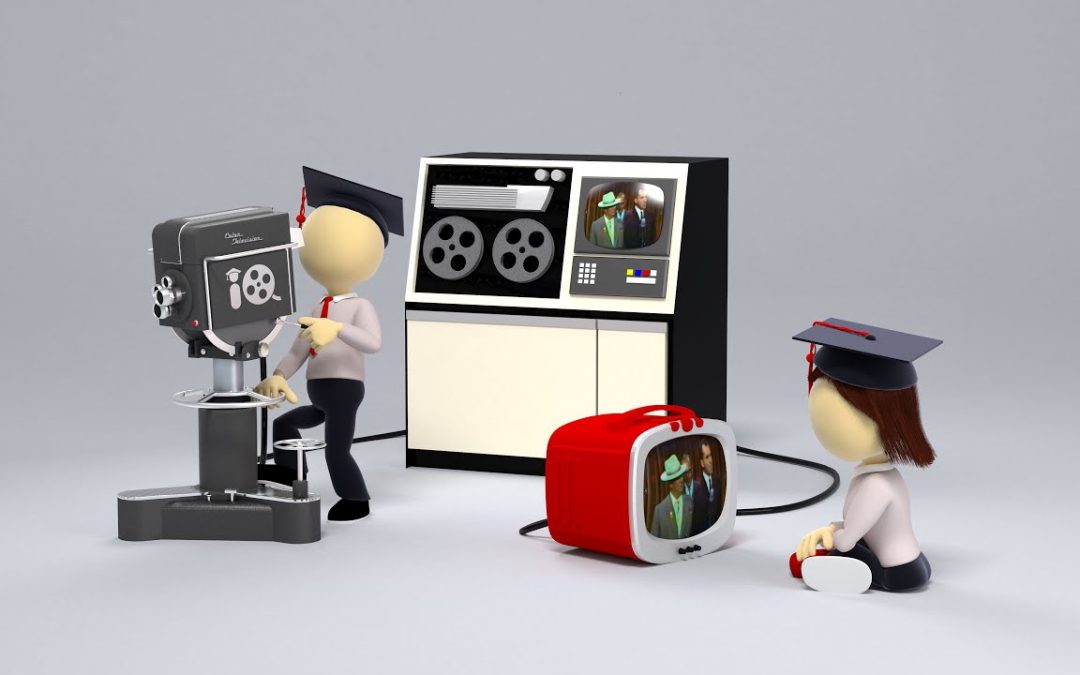
In contrast, traditional editing methods, often referred to as linear editing, involve a sequential approach where edits are made in a predetermined order. This technique requires physical media and often involves complex tape-to-tape processes, making it less flexible and more time-consuming. While linear editing can offer a certain nostalgic charm, nonlinear editing has become the standard in modern filmmaking and content creation, as it empowers editors to experiment freely and streamline their workflows.
What are the key benefits of using nonlinear editing software for video production?
Nonlinear editing software revolutionizes the video production process by providing unparalleled flexibility and efficiency. Unlike traditional linear editing methods, nonlinear systems allow editors to access any part of the video timeline instantly, enabling seamless rearrangement of clips and quick adjustments. This non-destructive editing approach ensures that original footage remains untouched, allowing for creative experimentation without the fear of losing valuable material. Additionally, the intuitive interfaces often included—complete with drag-and-drop functionality—make it easier for both seasoned professionals and beginners to navigate complex projects.
Moreover, nonlinear editing software enhances collaboration and productivity across teams. Many programs support multi-user access, allowing multiple editors to work on the same project simultaneously, which significantly reduces turnaround times. The integration of advanced features such as color grading, audio mixing, and effects application further streamlines the workflow, making it possible to produce high-quality videos efficiently. With these capabilities, video creators can focus on storytelling and artistry, ultimately leading to more engaging and polished final products.
Unlock Your Creative Potential with Seamless Edits
In a world where creativity knows no bounds, the ability to express ideas fluently is paramount. Seamless edits are the key to unlocking your creative potential, allowing you to refine your work without stifling your original vision. With intuitive tools at your fingertips, you can transform rough drafts into polished masterpieces, ensuring that every thought and concept shines through clearly and effectively. This process not only enhances the quality of your work but also builds your confidence as a creator.
Embracing seamless edits empowers you to explore new dimensions of your creativity. By streamlining your editing process, you can focus more on generating innovative ideas rather than getting bogged down in the details. This fluidity encourages experimentation and growth, enabling you to push the boundaries of your artistic expression. Ultimately, the journey of creation becomes a thrilling adventure, where each edit brings you closer to realizing your unique vision and inspiring others in the process.
Transform Your Footage: Techniques for Every Story
Transforming your footage into a captivating narrative begins with a keen understanding of storytelling techniques that resonate with your audience. By mastering the art of editing, you can manipulate pacing and rhythm, create emotional arcs, and enhance visual aesthetics that elevate your story. Incorporating dynamic transitions, strategic cuts, and thoughtful color grading not only enriches the viewing experience but also emphasizes key moments and themes. Whether you’re crafting a heartwarming documentary, an exhilarating adventure, or a poignant drama, these techniques empower you to turn raw footage into a polished, compelling story that leaves a lasting impact.
Elevate Your Editing Skills: Step-by-Step Insights
Editing is an essential skill that can significantly enhance the clarity and impact of your writing. To elevate your editing prowess, start by adopting a systematic approach. Begin with a comprehensive review of your work, focusing on the overall structure and flow. Identify the main ideas and ensure they are clearly articulated, allowing your message to resonate with the reader. This foundational step sets the stage for more detailed revisions.
Once you have a solid framework, dive into the specifics of language and style. Pay attention to sentence structure, word choice, and grammar. Aim for precision and brevity, eliminating any unnecessary jargon or filler words that can dilute your message. Reading your work aloud can also be a valuable technique, as it helps to catch awkward phrasing and improve the rhythm of your writing. This phase not only refines your text but also enhances its readability.
Lastly, don’t underestimate the power of feedback. Sharing your work with peers or mentors can provide fresh perspectives and constructive criticism that you might overlook. Incorporate their insights to further polish your writing, ensuring it meets both your standards and the expectations of your audience. By following these step-by-step insights, you can transform your editing process into a powerful tool for effective communication.
Mastering nonlinear editing opens up a world of creative possibilities for filmmakers and content creators alike. By embracing this technology, you gain the ability to manipulate your footage with unparalleled flexibility, enhancing storytelling and visual impact. As you dive deeper into understanding nonlinear editing, you’ll discover that it not only streamlines your workflow but also empowers you to bring your unique vision to life with precision and style. The future of filmmaking is at your fingertips—embrace it and let your creativity soar.
