
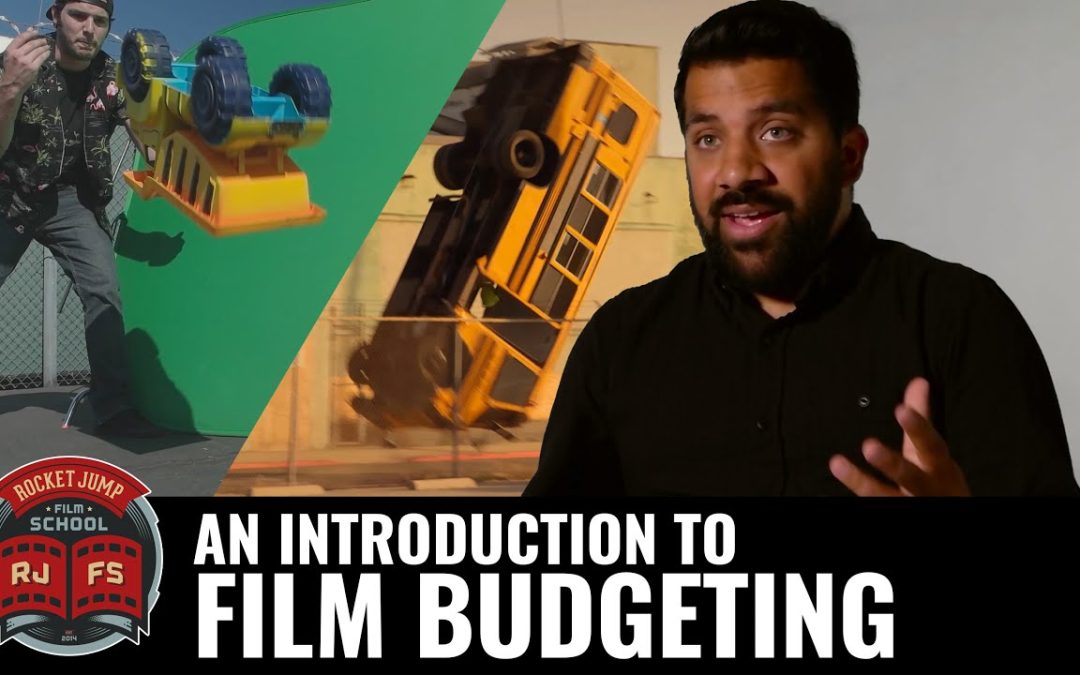
In the world of filmmaking, effective budgeting can make or break a short film project. Learning from budgeting not only helps filmmakers manage their resources wisely but also fosters creativity and innovation. By understanding the intricacies of financial planning, directors and producers can allocate funds more strategically, ensuring that every dollar is spent to enhance storytelling. This article explores essential budgeting lessons that aspiring filmmakers can apply to elevate their short films and maximize their impact on audiences.
How can budgeting enhance short film creativity?
Budgeting encourages resourcefulness, helping filmmakers prioritize ideas, make strategic choices, and innovate within constraints, ultimately enhancing creativity in short film production.
How can I effectively budget for a short film without overspending?
To effectively budget for a short film without overspending, start by clearly defining your project’s scope and objectives, which will guide your financial decisions. Create a detailed budget breakdown, categorizing expenses such as pre-production, production, and post-production, while prioritizing essential elements like cast, crew, and equipment. Utilize cost-effective alternatives, such as hiring emerging talent or borrowing equipment, and consider crowdfunding or seeking sponsorships to supplement your budget. Maintain a flexible mindset by regularly reviewing and adjusting your budget as needed, ensuring you stay on track while allowing room for unexpected expenses. By planning meticulously and being resourceful, you can bring your creative vision to life without breaking the bank.
What are the key expenses to consider when creating a budget for a short film?
When crafting a budget for a short film, one of the primary expenses to consider is personnel costs. This includes fees for the director, actors, cinematographer, and crew members, all of whom play primordial roles in bringing the project to life. Additionally, if the film requires specialized skills, such as a sound designer or editor, allocating funds for these professionals will ensure high-quality production and post-production processes.
Another significant category of expenses is equipment and location rentals. Filmmaking often requires access to cameras, lighting, and sound equipment, which can be costly. Renting high-quality gear or securing a suitable filming location can make a substantial impact on the film’s overall aesthetic. It’s also important to factor in any permits or insurance that may be needed for shooting, as these can vary depending on the location and scale of the production.
Finally, post-production costs should not be overlooked. This phase includes expenses for editing, sound design, visual effects, and color grading, all of which are vital for creating a polished final product. Marketing and distribution costs may also come into play, especially if the goal is to showcase the film at festivals or online platforms. By carefully considering these key expenses, filmmakers can create a realistic budget that supports their creative vision while ensuring the project’s financial viability.
How can I learn from my budgeting mistakes in previous short film projects?
Reflecting on your past short film projects is essential for improving your budgeting skills. Start by analyzing where your money went and identifying any areas of overspending or misallocation. Create a detailed breakdown of each project’s budget, comparing your initial estimates to the final expenses. This will help you recognize patterns in your spending habits and uncover specific mistakes, such as underestimating costs for equipment, locations, or post-production.
Next, seek feedback from your team members who were involved in the budgeting process. Collaborate with them to discuss what worked well and what didn’t. Their insights can provide a fresh perspective, allowing you to identify blind spots in your financial planning. By fostering an open dialogue, you can collectively brainstorm strategies for more accurate forecasting and resource management in future projects.
Finally, implement a tracking system for your upcoming films that includes regular budget reviews throughout the production process. This real-time monitoring will help you stay within your financial limits and make adjustments as necessary. By learning from past mistakes and actively applying those lessons, you will not only enhance your budgeting skills but also create a more efficient and effective filmmaking process.
Unlock Your Film’s Potential with Smart Financial Planning
Effective financial planning is the cornerstone of a successful film project. By establishing a clear budget and aligning it with your creative vision, you can ensure that resources are allocated efficiently. This strategic approach not only minimizes waste but also allows you to invest in key areas, such as talent and production quality, that can elevate your film’s overall impact. With a solid financial foundation, you can focus on storytelling without the burden of financial uncertainty.
An essential aspect of smart financial planning is understanding the various revenue streams available to filmmakers. From box office sales and streaming rights to merchandising and international distribution, diversifying your income sources can significantly enhance your film’s profitability. By analyzing market trends and audience preferences, you can tailor your financial strategy to maximize returns and create a sustainable business model that supports future projects.
Collaboration is another vital element in unlocking your film’s potential. Engaging with seasoned financial advisors and industry professionals can provide invaluable insights and guidance throughout the production process. By fostering strong partnerships, you not only gain access to additional resources but also build a network of support that can propel your film to new heights. With the right financial planning and collaboration, your cinematic vision can flourish, reaching audiences far and wide.
Essential Budgeting Strategies for Aspiring Filmmakers
Aspiring filmmakers often face the daunting task of managing tight budgets while bringing their creative visions to life. To navigate this challenge, it’s primordial to prioritize essential budgeting strategies that maximize resources without compromising quality. Start by crafting a detailed budget that outlines all anticipated expenses, from pre-production to post-production, and include a contingency fund for unexpected costs. Embrace collaborative partnerships with local talent and vendors to reduce costs and foster a supportive creative community. Additionally, leverage technology and online tools for efficient project management and communication, ensuring that every dollar spent contributes directly to the film’s success. By adopting these strategies, filmmakers can focus on storytelling while maintaining financial stability.
Navigate Costs and Maximize Your Film’s Impact
In the ever-evolving landscape of filmmaking, managing costs effectively is essential for ensuring that your project not only comes to life but also thrives in a competitive market. From pre-production budgeting to post-production expenses, understanding your financial landscape allows you to allocate resources wisely. By identifying potential areas for savings and prioritizing key elements of your film, you can maintain creative integrity while keeping your budget in check.
Investing in the right tools and technology can significantly enhance the quality of your film without breaking the bank. Embrace digital solutions for editing, sound design, and visual effects to streamline processes and deliver professional results. Additionally, leveraging local talent and resources can offer fresh perspectives and reduce costs, creating a collaborative environment that fosters innovation.
Maximizing your film’s impact goes beyond production; it extends into strategic marketing and distribution. Establishing a strong online presence, engaging with your audience on social media, and participating in film festivals can amplify your reach and create buzz around your project. By combining prudent financial management with impactful marketing strategies, you pave the way for your film to resonate with viewers and achieve lasting success.
Transform Your Vision into Reality with Effective Budgeting
Effective budgeting is the cornerstone of turning your aspirations into tangible outcomes. By carefully analyzing your financial landscape, you can prioritize your goals and allocate resources wisely. This strategic approach empowers you to make informed decisions, ensuring that every dollar spent aligns with your vision. Whether it’s launching a new business, planning a dream vacation, or saving for a home, a well-structured budget lays the foundation for success.
One of the most significant benefits of budgeting is its ability to enhance accountability. When you establish a clear financial plan, you create benchmarks that allow you to track progress and make adjustments as needed. This ongoing evaluation not only keeps you focused on your objectives but also fosters a sense of discipline in your spending habits. As you celebrate small victories along the way, your motivation to stick to your budget will only grow stronger.
Ultimately, transforming your vision into reality requires both commitment and clarity. A robust budgeting process provides the framework necessary to navigate financial challenges and seize opportunities as they arise. By dedicating time to develop and maintain an effective budget, you empower yourself to realize your dreams and achieve lasting success. Embrace the power of budgeting, and watch your aspirations come to life.
Mastering the art of budgeting for short films not only streamlines the production process but also fosters creativity and innovation within limited resources. By meticulously planning finances, filmmakers can focus on storytelling and artistic expression, ultimately enhancing the quality of their work. Embracing these budgeting lessons not only ensures project viability but also paves the way for future cinematic endeavors, turning constraints into opportunities for growth and excellence in the film industry.
