
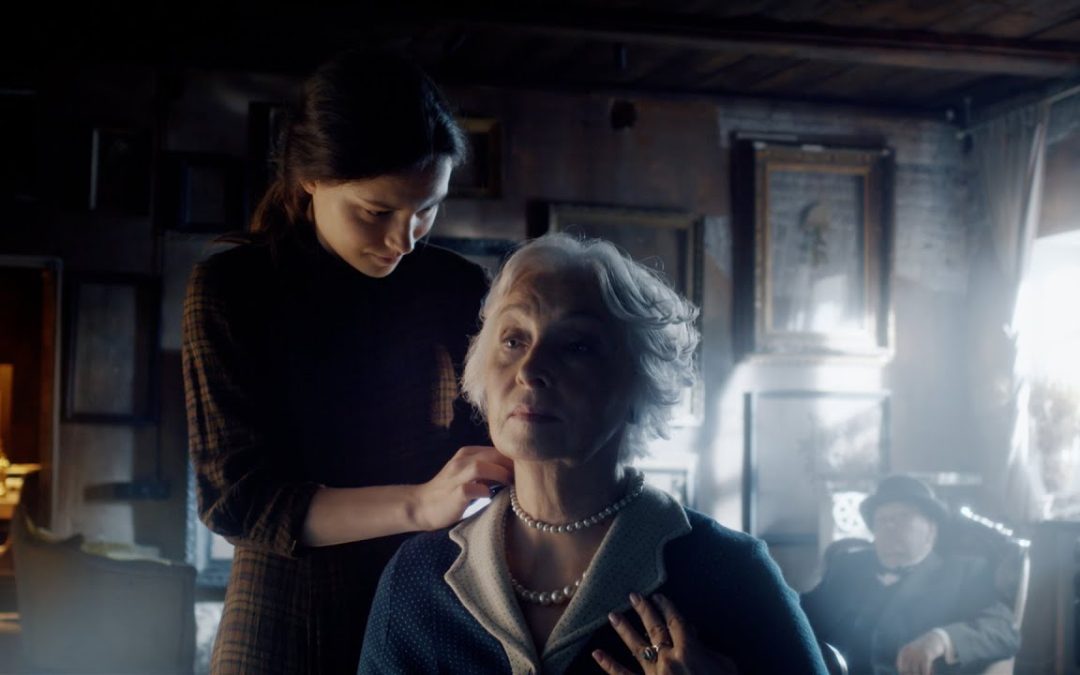
In the world of filmmaking, lighting can make or break a scene, transforming the ordinary into the extraordinary. Revealing Cinematic Lighting Techniques delves into the artistry behind illuminating a narrative, showcasing how strategic lighting choices enhance mood, define character, and guide audience perception. By exploring innovative methods and timeless principles, this article aims to equip aspiring filmmakers with the tools to elevate their visual storytelling and create captivating, memorable moments on screen.
What are key cinematic lighting techniques to explore?
Key cinematic lighting techniques include three-point lighting, high-key and low-key lighting, backlighting, and practicals to create mood and depth in scenes.
What are some essential cinematic lighting techniques to create mood and atmosphere in film?
Cinematic lighting is a vital tool for filmmakers, allowing them to craft the mood and atmosphere that shape a viewer’s emotional experience. One essential technique is the use of three-point lighting, which involves key, fill, and back lights to create depth and dimension. By controlling shadows and highlights, this method can evoke a range of emotions, from the warmth of a romantic scene to the tension of a thriller. Additionally, colored gels and practical lights can enhance the visual narrative, setting the tone and guiding the audience’s emotional response.
Another important technique is the use of motivated lighting, where light sources in the frame, such as lamps or streetlights, influence the overall illumination. This approach creates a sense of realism and immersion, drawing the audience into the story. Moreover, low-key lighting can be employed to build suspense and intrigue, while high-key lighting is effective for cheerful or uplifting scenes. By thoughtfully manipulating these techniques, filmmakers can effectively establish a captivating atmosphere that resonates with viewers long after the credits roll.
How can I effectively use color temperature in revealing cinematic lighting for different scenes?
Color temperature plays a pivotal role in shaping the mood and atmosphere of a scene, allowing filmmakers to communicate emotions and intentions visually. By understanding the different temperatures associated with warm and cool lighting, you can craft distinct emotional landscapes. For instance, warm tones, like those from incandescent bulbs, evoke feelings of comfort and intimacy, making them ideal for romantic or nostalgic scenes. In contrast, cooler tones, such as daylight or fluorescent lighting, can create a sense of tension or unease, perfect for thrillers or dramatic moments.
To effectively utilize color temperature, consider the emotional journey of your characters and the narrative context. For a scene that transitions from calm to chaotic, starting with warm light can establish a sense of safety, while gradually introducing cooler tones can heighten the tension as the conflict unfolds. Additionally, using color temperature to differentiate between locations or times of day can provide visual cues that enhance storytelling. For example, a warm sunset can signify hope or closure, while a cold, blue-lit night can suggest danger or uncertainty.
Incorporating practical lighting sources, such as lamps or streetlights, can also enhance the authenticity of your scenes while allowing for creative manipulation of color temperature. By strategically placing these sources and adjusting their intensity, you can create dynamic contrasts that enrich the visual narrative. Experimenting with gels and filters can further refine the desired temperature, helping you achieve a polished and cohesive look that elevates your cinematography. Ultimately, mastering color temperature will empower you to evoke the right emotions and immerse your audience in your story.
Illuminate Your Vision: The Art of Lighting in Film
Lighting is a fundamental element in filmmaking that transcends mere visibility; it shapes the emotional tone and narrative depth of a scene. By manipulating shadows and highlights, filmmakers can create an atmosphere that resonates with audiences, guiding their reactions and interpretations. From the soft, ethereal glow of a romantic moment to the stark contrasts of a suspenseful thriller, the art of lighting serves as a powerful storytelling tool that enhances the visual experience.
The strategic use of lighting techniques, such as three-point lighting or chiaroscuro, allows filmmakers to direct the viewer’s focus and establish character dynamics. Each light source—key, fill, and backlight—plays a specific role in crafting a scene’s mood and texture. By understanding how light interacts with subjects and environments, filmmakers can evoke specific feelings and draw viewers deeper into the narrative, making every frame a captivating visual statement.
Moreover, lighting is not just about illumination; it’s an integral part of the creative vision that defines a film’s identity. Iconic films often showcase unique lighting styles that become synonymous with their storytelling. By embracing the nuances of light, filmmakers can push boundaries, transforming ordinary scenes into extraordinary experiences that linger in the minds of viewers long after the credits roll. Through the art of lighting, every film has the potential to illuminate its vision and leave a lasting impression.
Crafting Atmosphere: Essential Lighting Strategies for Filmmakers
Lighting is a esencial element in filmmaking that can transform a scene and evoke specific emotions. By understanding the interplay between light and shadow, filmmakers can craft an atmosphere that enhances the narrative and engages the audience. Utilizing a combination of natural and artificial light sources allows for versatility; soft, diffused lighting can create a warm, inviting space, while harsh, directional light can instill tension or drama. The strategic placement of lights not only highlights key subjects but also shapes the overall mood, making it imperative for filmmakers to experiment with different techniques to find the perfect balance.
Incorporating color temperature and intensity into lighting design further enriches the visual storytelling. Warm tones can evoke nostalgia and comfort, while cooler tones might signal unease or detachment. By employing tools like gels and dimmers, filmmakers can manipulate the atmosphere to align with the emotional arc of the story. Additionally, understanding the significance of practical lights—those visible in the frame—can enhance realism and immerse viewers in the scene. The art of lighting is a powerful storytelling device, and mastering it can elevate a film from ordinary to extraordinary, leaving a lasting impression on its audience.
From Shadows to Highlights: Unlocking the Power of Light
In the dance between light and shadow, we discover the transformative power of illumination. Light has the extraordinary ability to reveal the unseen, casting vibrant hues on the mundane and turning the ordinary into the extraordinary. By understanding how to manipulate light, we can unlock new perspectives, enhance our creativity, and breathe life into our surroundings. Whether through photography, design, or simply the way we approach our daily environments, harnessing light allows us to create spaces that resonate with warmth and inspiration. Embracing this dynamic interplay invites us to see the world not just as it is, but as it could be, illuminating paths to endless possibilities.
Transform Your Scenes: Expert Tips for Cinematic Lighting
Lighting is a esencial element in creating captivating cinematic scenes, as it shapes the mood, highlights key subjects, and guides the viewer’s eye. By mastering the use of natural light and artificial sources, filmmakers can evoke emotions and enhance storytelling. Experimenting with different angles and intensities allows for the creation of dramatic contrasts or soft, inviting atmospheres. Utilizing tools like reflectors and diffusers can also help to manipulate light effectively, ensuring that every scene is visually striking while maintaining a professional touch.
Incorporating color theory into your lighting choices can further elevate your scenes, adding depth and nuance to your visuals. Warm tones can evoke feelings of comfort and nostalgia, while cool shades may introduce tension or intrigue. Consider the narrative context when selecting your palette, as harmonious colors can unify a scene, while contrasting hues can create a sense of chaos or conflict. By applying these expert tips, filmmakers can transform ordinary moments into extraordinary cinematic experiences that resonate with audiences long after the credits roll.
Mastering revealing cinematic lighting techniques can transform any scene, elevating storytelling and enhancing emotional impact. By understanding the interplay between light and shadow, filmmakers can create visually stunning narratives that resonate with audiences. As technology continues to evolve, embracing innovative lighting methods will remain essential for aspiring creators seeking to leave a lasting impression on the silver screen.
