
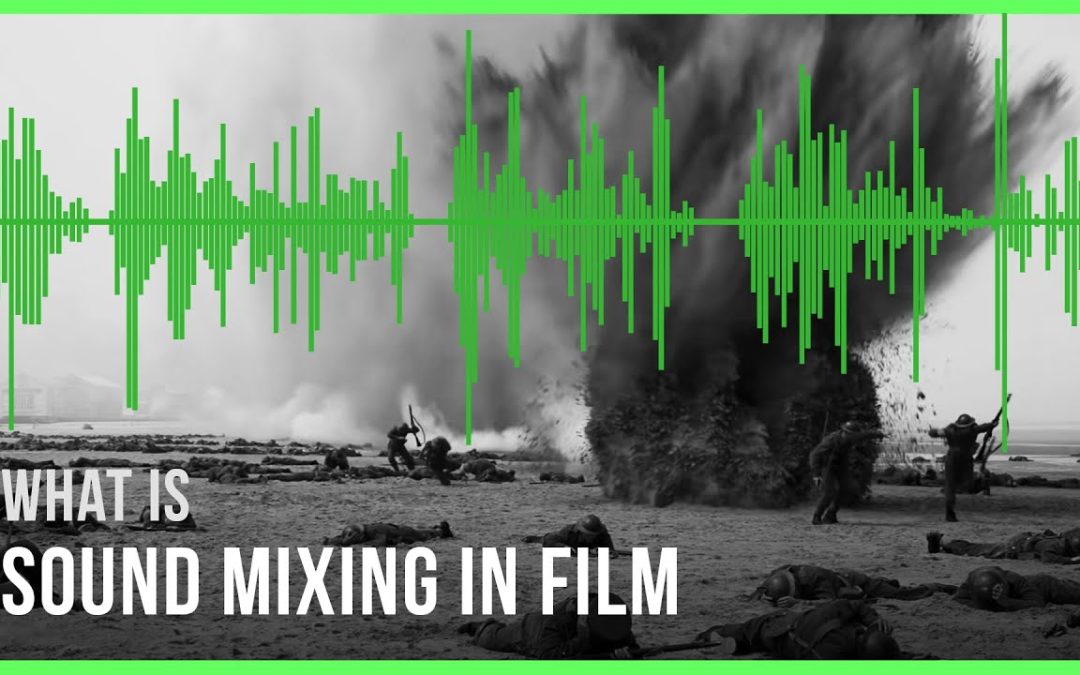
As technology continues to evolve at a rapid pace, the future of sound mixing for film is on the brink of a revolutionary transformation. With advancements in artificial intelligence, immersive audio technologies, and virtual reality, filmmakers are now able to craft more dynamic and engaging soundscapes than ever before. This article explores the cutting-edge techniques and tools that are reshaping the way we experience sound in cinema, highlighting the potential for enhanced storytelling and audience immersion in this exciting new era.
What innovations will shape sound mixing in film?
The future of sound mixing for film will be shaped by immersive audio technologies, AI-driven mixing tools, and advancements in virtual reality soundscapes.
What advancements in technology are shaping the future of sound mixing for film?
The future of sound mixing for film is being transformed by advancements in immersive audio technology and machine learning. Innovations such as Dolby Atmos and Auro 3D allow sound designers to create multi-dimensional audio experiences that envelop the audience, enhancing emotional engagement and storytelling. These technologies enable sound to be placed in a three-dimensional space, providing a more natural and realistic auditory experience. As filmmakers increasingly adopt these systems, the boundaries of traditional sound mixing are expanding, offering new creative possibilities in sound design.
Additionally, machine learning is playing a crítico role in streamlining the sound mixing process. AI-driven tools can analyze soundtracks and suggest enhancements, optimize audio levels, and even automate repetitive tasks, allowing sound engineers to focus more on creative aspects. These advancements not only improve efficiency but also empower artists to experiment with sound in ways that were previously unimaginable. As the industry embraces these cutting-edge technologies, the art of sound mixing is set to reach new heights, ultimately redefining the auditory experience of film.
How will immersive audio formats impact the sound mixing process in the coming years?
As immersive audio formats continue to evolve, they are set to revolutionize the sound mixing process by offering a more multidimensional experience that transcends traditional stereo sound. Mixing engineers will increasingly focus on spatial audio techniques, allowing them to position sounds within a three-dimensional space, creating a more engaging and lifelike listening experience. This shift will necessitate a deeper understanding of acoustics and advanced tools to manipulate audio elements in ways that enhance storytelling and emotional impact. Moreover, the rise of immersive formats will encourage collaboration among artists, sound designers, and technologists, fostering innovative approaches that redefine how audiences connect with audio content across various platforms.
Elevating Audio: Innovations Shaping Cinematic Experience
In the ever-evolving landscape of cinema, audio technology stands at the forefront of enhancing the viewer’s experience, transforming how stories are told and felt. Innovations such as immersive sound formats like Dolby Atmos and advanced sound design techniques are redefining the auditory landscape, allowing filmmakers to create a more lifelike and engaging environment. By seamlessly integrating spatial audio and cutting-edge sound editing tools, creators are able to envelop audiences in a rich tapestry of sound, making each scene resonate on a deeper emotional level. As these advancements continue to emerge, the cinematic experience becomes not just a visual spectacle, but an all-encompassing auditory journey that captivates and transports viewers into the heart of the narrative.
Sonic Evolution: The Next Wave of Film Sound Design
The landscape of film sound design is undergoing a transformative shift, driven by technological advancements and innovative artistic approaches. As filmmakers embrace immersive audio experiences, the integration of spatial sound techniques and cutting-edge software tools allows for a more nuanced storytelling approach. This evolution not only enhances the emotional depth of narratives but also invites audiences to engage with films in new ways, creating an atmosphere that resonates on multiple sensory levels.
As the next wave of sonic creativity emerges, sound designers are pushing the boundaries of traditional techniques, experimenting with unconventional sound sources and real-time audio manipulation. This bold exploration fosters a richer auditory palette, enabling filmmakers to craft unique sonic identities for their projects. With the rise of virtual reality and augmented experiences, the future of film sound design promises a dynamic interplay between sound and vision, ensuring that audiences are not just passive viewers but active participants in the cinematic journey.
Harmonizing Technology: Redefining Soundscapes in Cinema
In an era where technology continuously reshapes our experiences, the world of cinema is undergoing a profound transformation in sound design. Cutting-edge tools and techniques are enabling filmmakers to craft intricate auditory landscapes that elevate storytelling to new heights. By integrating spatial audio and immersive soundscapes, creators are not only enhancing the emotional depth of their narratives but also inviting audiences to feel as if they are part of the scene, rather than mere spectators.
As viewers increasingly demand more immersive experiences, the synergy between sound and visuals becomes crítico. The advent of Dolby Atmos and similar technologies allows for sound to move freely in three-dimensional space, creating a richer connection to the on-screen action. This harmonious blend encourages filmmakers to experiment with sound in innovative ways, pushing the boundaries of traditional sound design and enabling a more engaging cinematic experience that resonates on a deeper emotional level.
Ultimately, the redefinition of soundscapes in cinema is about more than just technology; it’s about enhancing the storytelling experience. As filmmakers embrace these advancements, they are not merely adding layers of sound but are also crafting a more immersive journey for audiences. This evolution signifies a future where sound and technology coexist seamlessly, transforming how stories are told and experienced, and setting a new standard for what cinema can achieve.
The future of sound mixing for film promises to be a transformative journey, fueled by advancements in technology and an evolving understanding of auditory storytelling. As immersive audio experiences become more accessible and innovative tools emerge, filmmakers will have unprecedented opportunities to engage audiences on deeper emotional levels. Embracing these changes will not only enhance the cinematic experience but also redefine the very essence of sound in film, paving the way for a new era of creativity and connection.
