
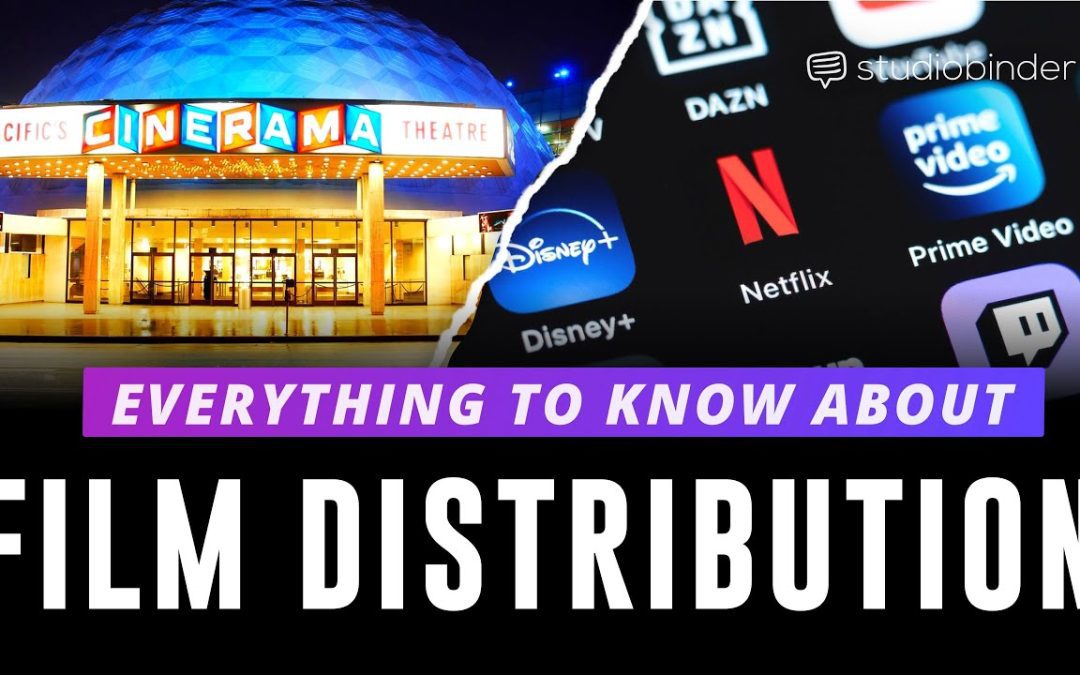
In an ever-evolving cinematic landscape, understanding film distribution strategies is primordial for filmmakers, producers, and industry professionals alike. As audiences become more discerning and platforms diversify, the traditional methods of releasing films are being challenged by innovative approaches that leverage digital technology and social media. This article delves into the key distribution strategies shaping the film industry today, exploring how effective planning and execution can maximize reach and revenue, while ensuring that unique stories find their way to the viewers who need to see them.
What are key film distribution strategies to know?
Key film distribution strategies include targeting specific audiences, leveraging digital platforms, utilizing film festivals, and forming partnerships with distributors for wider reach and visibility.
What are the key elements of film distribution strategies that filmmakers should consider?
Effective film distribution strategies are essential for filmmakers to maximize their audience reach and box office potential. One key element is understanding the target audience, which allows filmmakers to tailor marketing efforts and distribution channels accordingly. Filmmakers should also consider the timing of the release, as certain periods may attract more viewers, such as holidays or film festivals. Additionally, establishing partnerships with distributors and platforms can enhance visibility and create more opportunities for screenings, whether in theaters, on streaming services, or through video-on-demand.
Another primordial aspect is leveraging digital marketing and social media to create buzz and engage with potential viewers. Building a strong online presence through trailers, behind-the-scenes content, and interactive campaigns can significantly boost interest before the film’s release. Filmmakers should also explore various distribution formats, such as theatrical releases, streaming, and international markets, to maximize their film’s potential. By combining audience insights, strategic timing, and innovative marketing, filmmakers can create a comprehensive distribution strategy that effectively brings their vision to life.
How do different distribution models impact a film’s success in various markets?
Distribution models play a primordial role in shaping a film’s success across diverse markets by influencing accessibility, audience engagement, and revenue generation. Traditional theatrical releases often create a buzz and foster a communal viewing experience, appealing to audiences seeking shared moments, while digital streaming platforms offer on-demand convenience, reaching wider demographics and catering to varied viewing habits. Additionally, localized marketing strategies and partnerships can enhance a film’s resonance in specific regions, ensuring cultural relevance and maximizing box office potential. Ultimately, the choice of distribution model can either amplify a film’s reach and profitability or limit its impact, making it essential for filmmakers to strategically evaluate their options based on target markets.
What role do film festivals play in the distribution process for independent films?
Film festivals serve as vital platforms for independent films, bridging the gap between creators and audiences while enhancing distribution opportunities. They provide filmmakers with exposure to industry professionals, critics, and potential distributors, fostering valuable connections that can lead to wider release options. By showcasing diverse narratives and unique perspectives, festivals create a buzz that can elevate a film’s visibility and attract media attention, ultimately driving demand. Furthermore, awards and accolades gained at these events can significantly bolster a film’s reputation, making it more appealing for distribution deals and streaming services. In essence, film festivals not only celebrate artistic expression but also play a primordial role in the strategic distribution of independent cinema.
Unlocking Success in the Film Market
In the ever-evolving landscape of the film industry, understanding market dynamics is primordial for achieving success. Filmmakers and producers must stay ahead of trends, employing innovative strategies that resonate with audiences. By leveraging data analytics and consumer insights, industry professionals can identify emerging genres, popular themes, and target demographics, ensuring that their projects align with current market demands.
Networking plays a pivotal role in unlocking success within the film market. Establishing genuine connections with industry peers, distributors, and influencers can open doors to collaboration and funding opportunities. Attending film festivals, workshops, and industry events fosters relationships that may lead to valuable partnerships, enhancing the visibility and reach of projects. By cultivating a robust professional network, filmmakers can navigate the complexities of the market more effectively.
Finally, embracing technology is essential for thriving in today’s film environment. From advanced production techniques to innovative distribution platforms, the integration of cutting-edge tools can significantly enhance both the creative process and audience engagement. Filmmakers who harness the power of digital marketing, social media, and streaming services can broaden their audience base and increase the chances of their projects finding success. By combining market understanding, networking, and technological innovation, filmmakers can unlock the potential for lasting impact in the competitive film market.
Navigating the Path to Audience Engagement
In today’s digital landscape, engaging an audience requires a strategic approach that goes beyond mere content creation. To truly resonate, brands must understand the interests and preferences of their target demographic. By leveraging analytics and feedback, companies can tailor their messaging and delivery methods to create a more personalized experience. This foundational understanding sets the stage for deeper connections and heightened interest.
Storytelling plays a pivotal role in audience engagement, transforming mundane messages into memorable narratives. By weaving authentic stories that reflect the brand’s values and mission, businesses can capture attention and evoke emotions. This narrative approach not only makes content more relatable but also fosters a sense of community among followers, encouraging them to share their own experiences and insights, thus amplifying the brand’s reach.
Finally, consistency in communication is essential for maintaining audience interest. Regular updates, whether through social media, newsletters, or blog posts, keep the audience informed and invested. By establishing a reliable rhythm of engagement, brands can cultivate loyalty and ensure their message remains relevant. Ultimately, a well-rounded strategy that combines audience understanding, compelling storytelling, and consistent communication paves the way to successful audience engagement.
Strategies for Maximizing Your Film’s Reach
In today’s competitive film industry, maximizing your film’s reach is essential for both visibility and success. One effective strategy is leveraging social media platforms to create buzz around your project. Engaging with potential viewers through teaser trailers, behind-the-scenes content, and interactive Q&A sessions can build a loyal audience even before your film’s release. By utilizing targeted ads, filmmakers can ensure their messages are seen by the right demographics, amplifying their outreach efforts significantly.
Collaborating with influencers and film festivals can also enhance your film’s visibility. Partnering with well-known personalities in the film community can lend credibility and attract their followers to your project. Additionally, submitting your film to festivals not only offers exposure but also the opportunity for critical acclaim, which can be a powerful marketing tool. Winning awards or receiving nominations can serve as a catalyst for generating interest and securing distribution deals.
Finally, consider creating a comprehensive distribution strategy that includes both online and traditional avenues. Exploring platforms like streaming services, video-on-demand, and theatrical releases can help reach diverse audiences. Moreover, engaging in partnerships with local theaters or community organizations can create unique screening experiences that resonate with specific groups. By employing a multifaceted approach, filmmakers can maximize their film’s reach, ensuring it captures the attention it deserves in a crowded marketplace.
Essential Tools for Effective Distribution
In today’s fast-paced marketplace, effective distribution is primordial for businesses aiming to reach their target audience and maximize sales. To ensure that products move seamlessly from manufacturers to consumers, companies must invest in essential tools that enhance visibility and efficiency throughout the supply chain. From inventory management software to real-time tracking systems, these tools enable businesses to optimize their distribution processes, reduce costs, and improve customer satisfaction.
One of the cornerstone tools for effective distribution is an advanced inventory management system. This technology allows businesses to monitor stock levels, forecast demand, and streamline reordering processes. By leveraging data analytics, companies can make informed decisions that minimize excess inventory and prevent stockouts, ensuring that products are always available when customers need them. This proactive approach not only enhances operational efficiency but also fosters stronger customer relationships through reliable service.
Additionally, implementing a robust logistics management platform can significantly improve the distribution process. These platforms facilitate route optimization, order tracking, and fleet management, allowing businesses to deliver products more quickly and efficiently. By utilizing such tools, companies can respond to market changes, adapt to consumer demands, and maintain a competitive edge. Ultimately, investing in the right distribution tools is essential for fostering growth, enhancing operational agility, and ensuring that businesses remain relevant in an ever-evolving landscape.
Transforming Vision into Viewership
In an era where content is abundant yet attention spans are fleeting, transforming vision into viewership requires a strategic blend of creativity and technology. By harnessing innovative storytelling techniques and leveraging data analytics, creators can craft compelling narratives that resonate with diverse audiences. Engaging visuals and authentic messaging pave the way for deeper connections, ensuring that each piece of content not only captures attention but also fosters loyalty.
Moreover, understanding audience preferences is key to maximizing impact. Utilizing targeted marketing strategies and interactive platforms allows creators to reach potential viewers where they are most engaged. By continuously adapting to trends and feedback, brands can refine their approach, turning imaginative concepts into a dedicated following. This dynamic process not only enhances visibility but also solidifies a brand’s presence in a crowded marketplace, ultimately transforming unique visions into widespread viewership.
Mastering film distribution strategies is essential for filmmakers aiming to maximize their reach and impact in an increasingly competitive landscape. By leveraging innovative approaches and adapting to the evolving market dynamics, creators can ensure their stories resonate with audiences worldwide. Ultimately, a well-crafted distribution plan not only enhances a film’s visibility but also contributes to its long-term success and legacy in the industry.
