
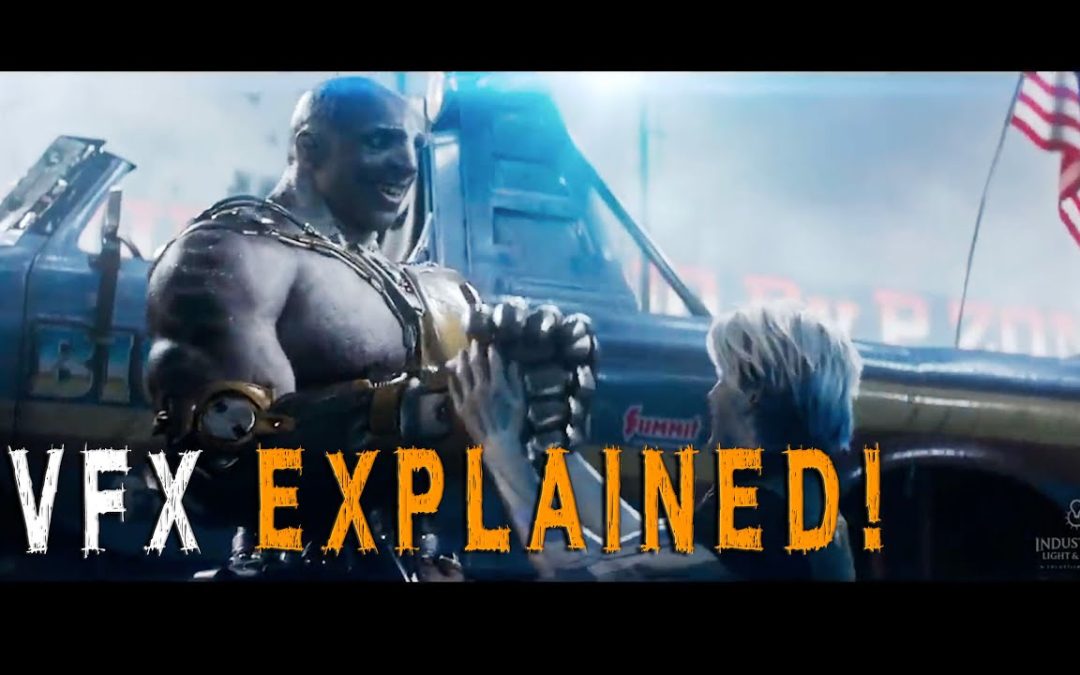
In the ever-evolving world of digital artistry, the realm of CGI stands out for its remarkable ability to blur the lines between reality and imagination. Inside Creating Realistic CGI delves into the intricate processes, techniques, and technologies that bring lifelike visuals to life. From the foundational principles of 3D modeling to the advanced nuances of lighting and texture, this exploration unveils the artistry behind the pixels. Join us as we journey through the creative minds and cutting-edge tools that are revolutionizing the way we perceive digital imagery.
What techniques enhance realism in CGI creation?
Techniques that enhance realism in CGI include advanced lighting, texture mapping, physics simulations, character motion capture, and detailed environmental modeling.
What are the essential tools and software needed for creating realistic CGI?
Creating realistic CGI requires a combination of powerful software and essential tools that facilitate both the artistic and technical aspects of 3D modeling and animation. At the heart of this process are industry-standard programs like Autodesk Maya and Blender, which offer robust modeling, texturing, and animation capabilities. These platforms allow artists to sculpt intricate details and bring their visions to life with precision. Additionally, software like ZBrush is invaluable for high-resolution sculpting, enabling artists to create highly detailed characters and environments.
Texturing and rendering are equally determinante in achieving realism in CGI. Tools such as Adobe Substance Painter allow artists to paint textures directly on 3D models, providing a level of detail and realism that standard texturing methods cannot match. For rendering, software like V-Ray or Arnold can produce stunningly lifelike images by simulating real-world lighting and materials, enhancing the final output’s visual quality. These tools also support advanced techniques like global illumination and ray tracing, which significantly contribute to realistic effects.
Complementing these software tools are essential hardware components that ensure smooth and efficient workflow. A powerful graphics card, ample RAM, and a fast processor are critical for handling complex scenes and high-resolution assets. Additionally, investing in a high-resolution monitor can enhance the accuracy of color grading and detail work during the creation process. Together, these tools and technologies empower artists to push the boundaries of creativity and produce stunningly realistic CGI that captivates audiences.
How can lighting and shading techniques enhance the realism of CGI?
Lighting and shading techniques are pivotal in elevating the realism of CGI by mimicking natural light interactions and surface textures. By strategically placing lights to create dynamic highlights and shadows, artists can evoke depth and dimension, making virtual environments feel tangible. Techniques like global illumination replicate the way light bounces off surfaces, enhancing the overall atmosphere and mood of a scene. Furthermore, sophisticated shading models, such as physically-based rendering, ensure that materials respond accurately to light, allowing for lifelike reflections and refractions. Together, these elements transform CGI from mere pixels into immersive experiences that captivate viewers.
What are the common challenges faced when producing realistic CGI, and how can they be overcome?
Producing realistic CGI often presents a myriad of challenges, primarily centered around achieving lifelike textures, lighting, and movement. One significant hurdle is the intricate detail required to replicate natural phenomena, such as the way light interacts with surfaces or the subtleties of organic motion. Artists must meticulously balance these elements to avoid the “uncanny valley” effect, where CGI characters appear almost, but not quite, real, leading to viewer discomfort. Additionally, rendering complex scenes can demand substantial computational power, causing delays and budget overruns.
To overcome these challenges, creators can leverage advanced software tools and techniques that enhance realism, such as ray tracing for accurate lighting and advanced physics simulations for more natural movements. Collaboration between artists and technical specialists is essential, allowing for a seamless integration of artistic vision and technological capability. By utilizing machine learning and AI-driven tools, the CGI production process can be streamlined, leading to faster iterations and a more refined final product. Emphasizing effective communication and iterative feedback within teams can further ensure that CGI meets the desired standards of realism while staying within project constraints.
Unleashing Creativity: Techniques for Stunning CGI
In the realm of CGI, unleashing creativity requires a blend of innovative techniques and a keen eye for detail. Start by mastering the fundamentals of 3D modeling and texturing, as these skills lay the groundwork for breathtaking visuals. Experiment with lighting and shadow to create depth, while harnessing the power of color theory to evoke emotion and enhance storytelling. Incorporate dynamic simulations and particle effects to add realism and excitement, transforming static images into lively scenes. Finally, don’t shy away from collaboration; sharing ideas with fellow artists can spark inspiration and lead to unexpected breakthroughs, ultimately elevating your CGI projects to stunning new heights.
From Concept to Reality: Crafting Realistic Visuals
Transforming a creative vision into a tangible reality involves a meticulous process of crafting realistic visuals that resonate with the audience. Every detail matters, from selecting the right color palette to ensuring that textures evoke a sense of authenticity. By harnessing cutting-edge technology and artistic insight, designers can breathe life into their concepts, making them not just visually appealing but also emotionally engaging. This journey from the initial idea to a polished visual masterpiece requires a blend of imagination, technical skill, and an understanding of the viewer’s perspective.
To achieve the desired impact, collaboration plays a vital role in refining these visuals. Working closely with clients, artists, and stakeholders helps to align the concept with practical execution, ensuring that every element serves a purpose. Feedback loops and iterative design processes are essential, allowing for adjustments that enhance realism and clarity. Ultimately, the goal is to create visuals that not only capture attention but also tell a compelling story, bridging the gap between concept and reality in a way that leaves a lasting impression.
The Secrets Behind Breathtaking CGI Masterpieces
Behind the stunning visuals of CGI masterpieces lies a meticulous blend of artistry and technology that captivates audiences worldwide. At the heart of this process is a collaborative effort between skilled artists and cutting-edge software, enabling the creation of lifelike characters and immersive environments. Advanced techniques such as motion capture and photorealistic rendering breathe life into digital creations, while innovative storytelling ensures that every frame resonates emotionally with viewers. As these artists push the boundaries of imagination, they reveal that the true secret behind breathtaking CGI is not just in the pixels, but in the passion and creativity that fuels their craft.
Elevate Your Skills: Essential Tools for Realistic Creation
In the ever-evolving landscape of creative industries, having the right tools at your disposal can significantly enhance your skill set and output. From graphic design to video production, the software and hardware you choose can make a world of difference in the quality of your work. Investing in intuitive design programs, advanced editing software, and high-performance hardware not only streamlines your creative process but also empowers you to push the boundaries of your imagination.
Moreover, staying updated with the latest trends and technologies is determinante for any aspiring creator. Engaging with online courses, tutorials, and workshops can help you master these tools and adopt best practices from industry leaders. Networking with peers and participating in creative communities can provide invaluable insights and inspiration, allowing you to refine your techniques and explore new avenues for expression.
Ultimately, the journey of realistic creation is about more than just tools; it’s about harnessing your passion and continuously evolving your skills. By combining the right resources with a commitment to learning and innovation, you can elevate your craft and produce work that resonates deeply with your audience. Embrace the challenge, and let your creativity flourish as you navigate this dynamic field.
Mastering the art of realistic CGI requires not only technical skill but also a keen understanding of the intricate details that bring digital worlds to life. By delving into the nuances of lighting, texture, and perspective, creators can elevate their work from mere images to breathtaking visual stories. As technology continues to evolve, embracing new tools and techniques will empower artists to push the boundaries of imagination and craft experiences that captivate and inspire audiences worldwide.
