
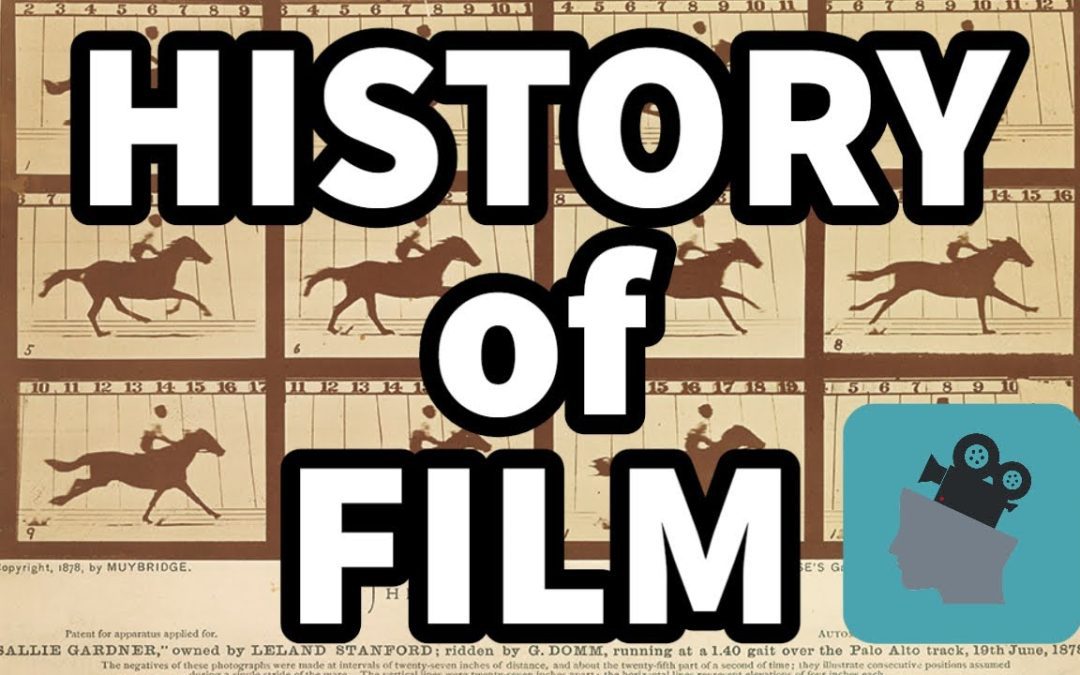
Behind the Evolution of Cinema lies a captivating journey that mirrors the transformation of society itself. From the flickering images of silent films to the immersive experiences of virtual reality, cinema has continuously adapted and innovated, reflecting cultural shifts and technological advancements. This evolution not only showcases the artistic vision of filmmakers but also highlights the collective human experience, as stories unfold on screens across the globe. Join us as we delve into the pivotal moments and influential figures that have shaped the cinematic landscape, revealing how this beloved art form continues to inspire and connect audiences today.
What key factors shaped cinema’s evolution?
Technological advancements, storytelling techniques, cultural influences, audience preferences, and economic factors significantly shaped cinema’s evolution over time.
What are the key milestones in the evolution of cinema that have shaped its development over the years?
The evolution of cinema has been marked by several key milestones that have significantly shaped its trajectory. The invention of the motion picture camera in the late 19th century laid the foundation for filmmaking, with pioneers like Thomas Edison and the Lumière brothers introducing the world to moving images. The first public screening of films in 1895 captivated audiences and sparked the imagination of storytellers, leading to the birth of a new art form that would soon capture the hearts of millions.
As cinema progressed into the early 20th century, innovations such as the introduction of synchronized sound in “The Jazz Singer” (1927) transformed the viewing experience, bridging the gap between silent films and the rich storytelling potential of sound. This technological leap not only enhanced narrative depth but also encouraged a new wave of creativity, leading to the golden age of Hollywood. The establishment of studios and the star system during this period further solidified cinema as a dominant cultural force.
The late 20th century brought about the transition to color films and the advent of digital technology, which revolutionized the production and distribution of movies. Iconic films like “Star Wars” (1977) showcased groundbreaking special effects and ushered in the blockbuster era, while the rise of independent cinema in the 1990s emphasized diverse storytelling. Today, streaming platforms have redefined how audiences consume films, ensuring that cinema continues to evolve and adapt, reflecting the ever-changing landscape of society and technology.
How have technological advancements influenced the storytelling techniques used in films?
Technological advancements have profoundly transformed storytelling techniques in film, enabling creators to explore narratives in innovative ways. With the advent of digital cinematography, filmmakers can capture stunning visuals that were previously unattainable, allowing for more immersive storytelling. The use of computer-generated imagery (CGI) has broadened the scope of imagination, enabling filmmakers to bring fantastical worlds and characters to life, thereby enhancing the audience’s emotional connection to the story.
Additionally, advancements in sound technology have redefined how stories are told through audio. Surround sound systems and high-definition audio allow for a more nuanced auditory experience, immersing viewers in the film’s environment. This heightened sensory engagement can elevate the emotional impact of key scenes, making moments of tension, joy, or heartbreak more resonant. As a result, filmmakers are increasingly experimenting with sound design to complement visual storytelling, creating a more holistic narrative experience.
Moreover, the rise of streaming platforms and interactive media has introduced new storytelling formats that engage audiences in unprecedented ways. The ability to choose different plot paths or explore side stories enhances viewer agency, allowing them to shape their own narrative experience. This shift not only reflects changing audience preferences but also challenges filmmakers to develop more intricate and layered stories that can adapt to varying viewer choices, ultimately enriching the art of storytelling in film.
In what ways has the cultural context of different eras impacted the themes and styles of cinematic works?
Throughout cinematic history, the cultural context of different eras has profoundly influenced both the themes and styles of films. For instance, the social upheaval of the 1960s and 70s gave rise to a wave of films that challenged traditional norms, exploring themes of rebellion, identity, and the quest for freedom. Directors like Martin Scorsese and Francis Ford Coppola harnessed the energy of the times, creating gritty narratives that reflected the disillusionment of a generation grappling with war, civil rights, and shifting societal values. The vibrant counterculture movement not only infused these films with a sense of urgency but also led to innovative storytelling techniques that broke away from classical Hollywood conventions.
In contrast, the digital age has ushered in new themes and styles that resonate with contemporary audiences. The rise of technology and globalization has produced films that often explore issues of connectivity, identity in a digital world, and the implications of surveillance. Filmmakers today utilize advanced special effects and non-linear storytelling to engage viewers, reflecting the fast-paced nature of modern life. As cultural contexts continue to evolve, the cinematic landscape adapts, creating a rich tapestry of narratives that both mirror and challenge the zeitgeist, ensuring that film remains a vital medium for social reflection and commentary.
From Silent Films to Digital Dreams
The evolution of cinema has been nothing short of remarkable, transforming from the silent, black-and-white reels of the early 20th century to the vibrant, immersive digital experiences of today. Silent films captured the imagination with their expressive visuals and live musical accompaniment, laying the groundwork for storytelling techniques that would captivate audiences for generations. As technology advanced, sound was introduced, and films began to incorporate dialogue, setting the stage for a new era of creativity and innovation.
Fast forward to the 21st century, where digital technology has revolutionized filmmaking and distribution. High-definition visuals, groundbreaking special effects, and streaming platforms have democratized access to cinema, allowing diverse voices to share their stories with a global audience. This journey from silent films to digital dreams illustrates not just a change in medium, but a profound shift in how we connect, communicate, and experience the art of storytelling, reflecting the ever-evolving landscape of human creativity.
A Journey Through Frames and Genres
In the vibrant world of cinema, every frame tells a story that transcends time and genre. From the sweeping landscapes of epic dramas to the intimate close-ups of character-driven narratives, the power of visual storytelling captivates audiences and invites them to embark on a shared journey. Each film serves as a portal, transporting viewers into diverse realms where emotions run high and adventures await, revealing the universal truths that connect us all.
As we navigate this cinematic landscape, we encounter a rich tapestry of genres, each offering its own unique lens through which to explore the human experience. Whether it’s the heart-pounding suspense of a thriller, the whimsical charm of a romantic comedy, or the thought-provoking depth of a documentary, every genre has the ability to inspire, provoke, and entertain. These films challenge our perceptions, spark conversations, and ultimately shape our understanding of the world around us.
At the intersection of artistry and storytelling lies the filmmaker’s vision, an intricate dance of creativity that breathes life into every project. Through innovative techniques and a keen eye for detail, directors and cinematographers craft visual narratives that resonate deeply with audiences. As we celebrate this artistry, we find that our journey through frames and genres not only enriches our appreciation for cinema but also deepens our connection to one another, reminding us of the shared stories that unite us across cultures and generations.
The Art and Science Behind the Screen
In today’s digital age, the intersection of art and science has transformed the way we experience visual media. From the vibrant colors of a well-composed photograph to the intricate algorithms powering our favorite films, the creative process relies heavily on a balance between aesthetic intuition and technical precision. Artists and technologists collaborate to push boundaries, crafting immersive experiences that captivate audiences and evoke emotions.
The science behind the screen encompasses a range of disciplines, including computer graphics, psychology, and even neuroscience. Understanding how we perceive color, motion, and sound allows creators to design more engaging content. For instance, the use of color theory can enhance mood and narrative, while sound design can heighten tension or evoke nostalgia. This blend of scientific principles and artistic vision leads to a richer, more resonant viewing experience.
As technology continues to evolve, so too does the potential for innovative storytelling. Virtual reality, augmented reality, and interactive media are just a few examples where the boundaries of traditional art forms are being redefined. By harnessing the power of both art and science, creators are not only changing how stories are told but also how audiences interact with them, paving the way for a future where creativity knows no limits.
Pioneers, Innovations, and Cultural Impact
Throughout history, pioneers in various fields have shaped our world through groundbreaking innovations and transformative ideas. From the invention of the wheel to the development of the internet, each advancement has not only pushed the boundaries of technology but also significantly influenced cultural dynamics and societal norms. Visionaries like Thomas Edison and Marie Curie challenged existing paradigms, inspiring generations to think creatively and pursue knowledge. Their legacies serve as a testament to the power of human ingenuity, illustrating how innovation can drive progress and foster cultural shifts that resonate across time and geography. As we continue to explore new frontiers, the interplay between innovation and culture remains a vital force in shaping our collective future.
The journey of cinema is a captivating tale of innovation, creativity, and cultural reflection. From the silent films of the early 20th century to today’s immersive digital experiences, each era has brought forth new storytelling techniques and technological advancements that continue to shape the medium. As we look ahead, the evolution of cinema promises to push boundaries further, inviting audiences to explore diverse narratives and experiences that resonate on a global scale. Embracing both tradition and innovation, the future of film remains a vibrant canvas for imagination and expression.
