
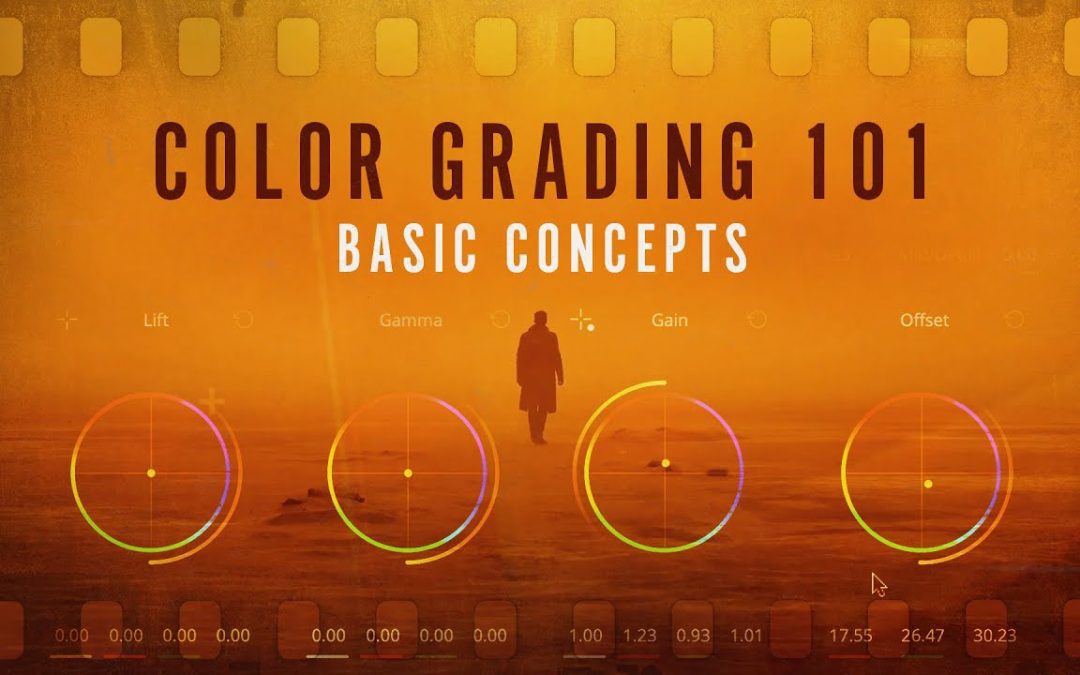
Color grading is an essential skill for anyone looking to elevate their visual storytelling, whether in filmmaking, photography, or digital content creation. As a beginner, understanding the fundamentals of color grading can seem daunting, but it opens up a world of creative possibilities. This article will guide you through the key concepts and techniques you need to master color grading, empowering you to enhance your images and videos with confidence and style. Dive in to discover what you need to know to start your journey into the vibrant world of color grading!
What are the basics of color grading?
Color grading involves adjusting brightness, contrast, and color tones to enhance visual storytelling, ensuring consistency and mood across scenes. Beginners should focus on understanding tools and color theory basics.
What is color grading and why is it important for beginners in video production?
Color grading is the process of enhancing and manipulating the colors in a video to create a specific mood or aesthetic. It involves adjusting various elements such as brightness, contrast, saturation, and hue to achieve a desired look that aligns with the narrative or emotional tone of the project. For beginners in video production, understanding the principles of color grading can significantly elevate the quality of their work, making it visually appealing and professional.
One of the key reasons color grading is essential for newcomers is that it allows them to establish a unique visual identity and style. By learning how to effectively use color, beginners can differentiate their videos from others and convey emotions more powerfully. A well-graded video can evoke feelings of warmth, urgency, or nostalgia, thereby enhancing the storytelling experience and engaging the audience on a deeper level.
Moreover, mastering color grading techniques can provide beginners with a competitive edge in the fast-paced world of video production. As audiences become increasingly discerning, the demand for high-quality visuals continues to rise. By investing time in learning color grading, aspiring filmmakers can not only refine their craft but also build a strong portfolio that showcases their ability to create compelling, visually striking content. This foundational skill is invaluable for anyone looking to make a mark in the industry.
What tools and software should beginners use for color grading their projects?
For beginners venturing into color grading, user-friendly software options like DaVinci Resolve and Adobe Premiere Pro are excellent choices. DaVinci Resolve offers a free version packed with powerful features, including advanced color correction tools and a straightforward interface that allows newcomers to grasp the fundamentals quickly. Its node-based workflow encourages creativity while providing ample resources and tutorials for those just starting out. Adobe Premiere Pro, while primarily an editing tool, integrates color grading capabilities through its Lumetri Color panel, making it an accessible option for beginners who are already familiar with basic video editing.
In addition to these software programs, utilizing color grading tools such as LUTs (Look-Up Tables) can significantly enhance the learning experience. LUTs provide a quick way to apply professional color profiles to your footage, allowing beginners to experiment with different looks without deep technical knowledge. Pairing these tools with online tutorials and community forums can further accelerate the learning process, enabling aspiring colorists to develop their skills and achieve stunning results in their projects.
Mastering the Art of Color: A Beginner’s Journey
Color has an undeniable power to influence emotions and perceptions, making it an essential tool for artists and designers alike. For beginners embarking on their journey into the world of color, understanding the fundamentals is vital. This includes grasping concepts such as the color wheel, primary and secondary colors, and the psychological impact of different hues. By mastering these basics, aspiring creators can develop a solid foundation that will enhance their artistic expression.
As beginners experiment with color combinations, they may discover the magic of complementary and analogous palettes. Complementary colors, positioned opposite each other on the color wheel, create striking contrasts that can energize a composition. Conversely, analogous colors, which sit next to each other, offer harmony and cohesion, allowing for a more tranquil visual experience. Exploring these relationships opens up a world of possibilities, enabling newcomers to express their unique perspectives through vibrant visuals.
Throughout this journey, practice is key. Beginners should not shy away from making mistakes, as each misstep offers valuable lessons in color dynamics. By consistently experimenting with different techniques, tools, and media, they will gradually refine their skills and develop their own distinctive styles. Ultimately, mastering the art of color is a continuous exploration, one that invites creativity and self-discovery at every turn.
Transform Your Footage: Simple Steps to Stunning Colors
Unlock the full potential of your videos by mastering the art of color correction and grading. Start by adjusting the exposure to ensure your footage has the right brightness and contrast, setting a solid foundation for vibrant colors. Next, fine-tune the white balance to eliminate any unwanted color casts, bringing your visuals to life with true-to-nature hues. Utilize color wheels or sliders to enhance specific tones, creating a mood that resonates with your audience. Finally, apply a subtle vignette to draw attention to your subject, adding depth and focus. With these simple steps, you can transform ordinary footage into a visually captivating masterpiece that truly stands out.
Unlocking Visual Potential: Essentials for Aspiring Colorists
Aspiring colorists have the unique opportunity to transform visual storytelling through the art of color grading. Mastering this craft begins with a solid understanding of color theory, which serves as the foundation for making informed decisions that enhance mood and narrative. By familiarizing themselves with essential software tools and techniques, colorists can bring their creative visions to life, ensuring each frame communicates the desired emotion. Developing a keen eye for detail and a passion for experimentation will empower these artists to unlock their full potential, elevating their projects and captivating audiences through the power of color.
Mastering color grading can elevate your visual storytelling, transforming ordinary footage into captivating art. By understanding the fundamentals of color theory, familiarizing yourself with essential tools, and practicing consistently, you’ll unlock the potential to convey emotion and enhance your narrative. Embrace the journey of experimentation, and let your creativity shine through the vibrant hues and tones you create. With each project, you’ll grow more confident in your skills, paving the way for a stunning visual experience that resonates with your audience.
