
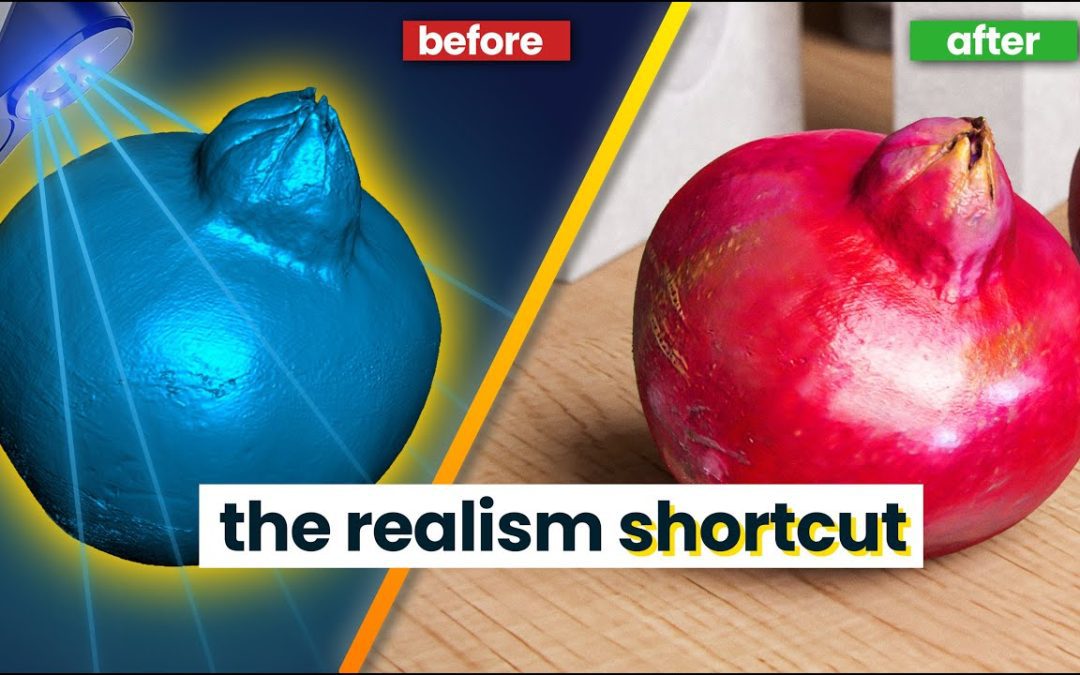
In the ever-evolving world of digital artistry, the art of revealing and creating realistic CGI has become a cornerstone of modern storytelling. From blockbuster films to immersive video games, the ability to craft lifelike characters and environments captivates audiences and enhances narratives. This article delves into the techniques and technologies that empower artists to push the boundaries of realism, transforming imaginative concepts into stunning visual experiences that blur the lines between fantasy and reality.
How can I create realistic CGI effects?
To create realistic CGI effects, focus on accurate lighting, textures, and physics. Use high-quality models and reference real-world materials for authenticity.
What are the key techniques for revealing intricate details in realistic CGI creations?
To unveil intricate details in realistic CGI creations, artists often employ a combination of high-resolution textures and advanced sculpting techniques. Using high-resolution textures allows for the representation of minute features such as skin pores, fabric weaves, and subtle imperfections that make a digital object feel tangible. Coupled with digital sculpting tools, which enable artists to manipulate geometry at a granular level, creators can add depth and realism that draws the viewer’s eye, enhancing the overall immersive experience.
Lighting and shading techniques are equally clave in revealing the finer details of CGI models. By utilizing physically-based rendering (PBR), artists can simulate how light interacts with various surfaces, bringing out textures and materials in a lifelike manner. Techniques such as ambient occlusion and dynamic shadows further accentuate depth, creating a more believable scene. Together, these methods ensure that every element of a CGI creation contributes to a cohesive and realistic visual narrative, making the artwork not only visually stunning but also engaging to the audience.
How can I effectively create realistic textures and lighting in my CGI projects?
To effectively create realistic textures in your CGI projects, start by gathering high-quality reference images that showcase the materials you want to replicate. Pay close attention to the color, surface details, and imperfections that make these textures lifelike. Utilizing advanced texture mapping techniques, such as bump mapping and normal mapping, can enhance the depth and complexity of your surfaces. Additionally, employing procedural textures allows for greater flexibility and variation, ensuring that your materials don’t appear repetitive or uniform.
When it comes to lighting, consider the environment in which your scene exists. Use a combination of key, fill, and backlighting to create a balanced and dynamic atmosphere. Incorporating global illumination can simulate the way light interacts with surfaces, adding realism to both the textures and the overall scene. Experimenting with light intensity, color temperature, and shadow softness will also contribute to the final look. By thoughtfully combining these elements, you can achieve a striking visual authenticity that captivates your audience.
Unleashing Creativity Through Digital Innovation
In an era where technology permeates every facet of our lives, the intersection of creativity and digital innovation has become a powerful catalyst for transformation. Artists, designers, and thinkers are harnessing the latest tools and platforms to push boundaries, allowing for unprecedented exploration and expression. From immersive virtual reality experiences to dynamic social media campaigns, digital innovation is not merely an accessory but a core element of the creative process, enabling creators to connect with audiences in ways that were once unimaginable.
As we embrace this digital revolution, the potential for collaboration and inspiration expands exponentially. Online communities now foster diverse ideas, allowing individuals from varied backgrounds to share their unique perspectives and skills. This synergy not only enhances the creative landscape but also democratizes access to artistic expression, empowering anyone with a passion to contribute and innovate. By leveraging technology, we can unlock new realms of possibility, turning imaginative visions into reality and paving the way for a future where creativity knows no bounds.
Transforming Imagination into Stunning Visuals
In a world where creativity knows no bounds, the ability to transform imagination into stunning visuals has become an essential skill for artists and designers alike. The journey from concept to creation is fueled by innovative tools and techniques that empower individuals to bring their visions to life. Whether through digital platforms or traditional mediums, the process encourages exploration and experimentation, allowing for a rich tapestry of ideas to emerge.
Harnessing technology has revolutionized the way we express our creativity. Advanced software and applications enable artists to manipulate colors, shapes, and textures with unprecedented precision. This digital realm not only enhances the creative process but also opens doors to immersive experiences, where viewers can engage with art in dynamic, interactive ways. As a result, the boundaries of artistic expression are continuously expanding, inviting a diverse audience to appreciate the beauty of imagination in all its forms.
Ultimately, transforming imagination into stunning visuals is about storytelling. Each piece of art serves as a narrative, reflecting the artist’s perspective and emotions. As creators share their unique viewpoints, they inspire others to tap into their own creativity and envision new possibilities. In this vibrant landscape of artistic expression, imagination is not just a fleeting thought; it becomes a powerful catalyst for connection, innovation, and inspiration.
A Comprehensive Guide to Realistic Digital Artistry
In the realm of digital artistry, mastering the art of realism requires a blend of technical skills and an understanding of light, texture, and perspective. Artists must familiarize themselves with various software tools that facilitate the creation of lifelike images, such as Adobe Photoshop and Corel Painter. By practicing techniques like layering and blending, artists can achieve depth and dimension, transforming flat images into captivating representations of reality. Regularly studying reference materials, including photographs and real-life objects, is essential for developing a keen eye for detail and accuracy.
Moreover, the journey to realistic digital artistry is enhanced by continuous experimentation and feedback. Engaging with online communities and participating in critique sessions allows artists to refine their skills and gain new insights. Embracing different styles and approaches can also lead to unique interpretations of realism, pushing the boundaries of creativity. By committing to lifelong learning and exploration, aspiring digital artists can cultivate their own distinctive voice, ultimately contributing to the vibrant evolution of the digital art landscape.
The journey of revealing and creating realistic CGI has transformed the way we experience storytelling and visual art. As technology continues to advance, the boundaries of imagination are pushed further, enabling creators to craft breathtaking worlds and lifelike characters that captivate audiences. This evolution not only enhances entertainment but also opens new avenues for innovation in fields like gaming, film, and virtual reality. Embracing these possibilities will undoubtedly shape the future of digital creativity, inviting us all to explore the extraordinary realms that lie ahead.
