
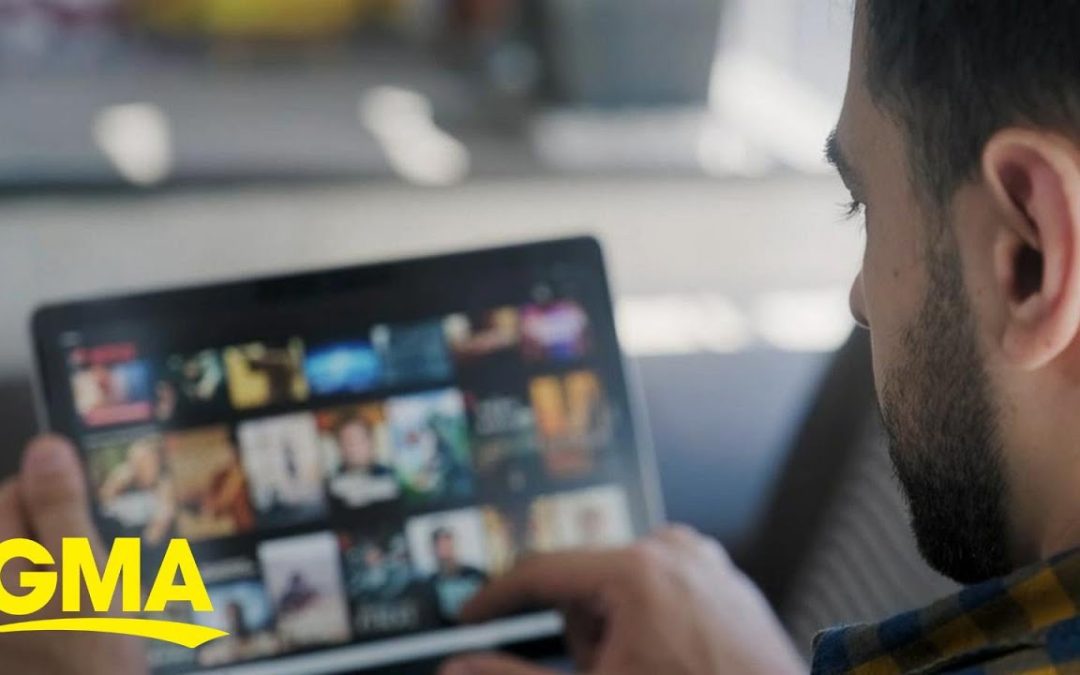
As the entertainment landscape continues to evolve, the debate between streaming services and traditional theaters intensifies. Audiences are increasingly drawn to the convenience and variety of on-demand content, while cinephiles cherish the unique experience of watching films on the big screen. In this article, we break down the strengths and weaknesses of both platforms, exploring how they cater to different tastes and preferences. Join us as we navigate the shifting dynamics of film consumption in a rapidly changing world.
Is streaming better than traditional theaters?
Streaming offers convenience and flexibility, while traditional theaters provide an immersive experience. The preference depends on individual tastes and circumstances.
What are the main differences between watching movies on streaming platforms and in theaters?
Watching movies on streaming platforms offers the convenience of viewing from the comfort of home, allowing audiences to choose when and where to enjoy their favorite films, often with the option to pause or revisit scenes. In contrast, theaters provide a communal experience with larger-than-life visuals and immersive sound, creating an atmosphere that enhances the emotional impact of the film. While streaming caters to personal preferences and flexibility, theaters foster a shared excitement and anticipation, making the cinematic experience more memorable. Each option has its own unique appeal, ultimately catering to different viewing preferences and social interactions.
How has the rise of streaming services impacted the traditional movie theater industry?
The rise of streaming services has dramatically transformed the landscape of the traditional movie theater industry. As platforms like Netflix, Amazon Prime, and Disney+ offer vast libraries of films accessible from the comfort of home, audiences have increasingly opted for the convenience of streaming over the theater experience. This shift has led to declining ticket sales and forced theaters to adapt by enhancing their offerings, such as providing luxury seating, gourmet concessions, and exclusive screenings to draw back viewers seeking a unique outing.
In response to this evolution, traditional theaters have begun to embrace a hybrid model, incorporating both cinematic releases and exclusive streaming premieres. The pandemic accelerated this trend, as many studios opted to release films simultaneously in theaters and on streaming platforms. This change has not only created new revenue streams but also encouraged theaters to curate unique experiences, such as themed events and limited-time showings of classic films. Ultimately, while streaming services have posed significant challenges, they have also inspired innovation, pushing the theater industry to redefine its role in the entertainment ecosystem.
Are there specific genres or types of films that are better suited for streaming rather than theatrical release?
In today’s digital landscape, certain film genres thrive in the streaming environment, making them more appealing than traditional theatrical releases. For instance, documentaries, indie films, and niche genres like horror or foreign cinema often find their audience online, where viewers seek unique stories without the constraints of blockbuster expectations. Additionally, series and miniseries formats cater well to binge-watching habits, allowing for deeper character development and storytelling that resonates with audiences over time. As streaming platforms continue to evolve, they provide a space for diverse narratives and experimental films that might otherwise struggle to capture attention in crowded theaters.
Unpacking the Pros and Cons of Each Experience
When considering various experiences, it’s essential to weigh their benefits against potential drawbacks. Engaging in new activities can foster personal growth, enhance skills, and broaden perspectives. For instance, traveling exposes individuals to diverse cultures and ideas, enriching their understanding of the world. However, such experiences can also come with challenges, including financial strain and the stress of navigating unfamiliar environments.
On the other hand, immersing oneself in local experiences can foster deeper connections and a sense of community. Volunteering at local organizations or participating in community events can lead to fulfilling relationships and a strong sense of belonging. Yet, it’s important to recognize that some local experiences may lack the excitement and novelty that come with exploration, potentially leading to feelings of stagnation for adventurous spirits.
Ultimately, each experience offers unique rewards and challenges. By thoughtfully evaluating the pros and cons, individuals can make informed decisions about how to spend their time. Balancing the thrill of new adventures with the comfort of familiar surroundings allows for a richer, more fulfilling life journey, where both exploration and connection play vital roles.
Where to Watch: The Battle for Your Attention
In a world inundated with content, capturing your attention has become a fierce battleground. Streaming platforms, social media, and traditional media vie for your focus, each employing innovative strategies to stand out in the noise. As binge-worthy series, viral videos, and attention-grabbing headlines flood our screens, it’s essential to navigate this landscape thoughtfully, seeking out quality and relevance amidst the chaos. With the right approach, you can curate a viewing experience that not only entertains but also enriches your life, turning the battle for your attention into a rewarding journey of discovery.
The Evolution of Entertainment: Streaming vs Theaters
The landscape of entertainment has undergone a remarkable transformation over the past two decades, driven largely by the rise of streaming platforms. Once dominated by traditional theaters, the industry has seen a significant shift in how audiences consume films and television shows. Streaming services like Netflix, Hulu, and Disney+ have made it easier than ever for viewers to access a vast library of content from the comfort of their homes, leading to the decline of conventional cinema attendance. This accessibility has not only changed viewing habits but also influenced the types of stories being told, with diverse narratives gaining prominence in a more competitive market.
Despite the convenience of streaming, theaters continue to hold a special place in the hearts of many moviegoers. The communal experience of watching a film on the big screen, complete with high-quality visuals and immersive sound, creates a unique atmosphere that cannot be replicated at home. Major film releases and blockbuster franchises still strive for theatrical debuts, often leveraging the experience to enhance audience engagement and generate buzz. As a result, many studios are exploring hybrid release strategies, where films premiere in theaters before becoming available for streaming, striking a balance between both worlds.
Looking ahead, the future of entertainment may well be defined by a coexistence of streaming services and theaters. As technology advances, theaters are adapting by offering enhanced viewing experiences, such as luxury seating and advanced projection systems, to draw audiences back. Meanwhile, streaming platforms continue to innovate, producing high-quality content that rivals traditional cinema. This evolving dynamic will likely shape the entertainment industry for years to come, as both mediums learn to complement each other in an ever-changing cultural landscape.
Choosing Your Screen: Insights for Every Movie Lover
In an age where cinematic experiences can be enjoyed from the comfort of our homes or in the grandeur of theaters, selecting the right screen is essential for every movie lover. The choice between a massive home theater setup and a cozy, intimate viewing environment can significantly impact how we engage with the story unfolding before us. Factors such as screen size, resolution, and audio quality play a pivotal role in immersing ourselves fully in the film, transforming mere viewing into an exhilarating experience.
For those who cherish the theater atmosphere, nothing beats the thrill of a big screen. The larger-than-life visuals paired with immersive sound systems create a captivating environment that amplifies the emotional depth of each scene. On the other hand, home setups have evolved tremendously, offering flexibility and comfort. With advancements in technology, even mid-range televisions can deliver stunning clarity and vibrant colors, allowing viewers to customize their experiences with personalized settings and surround sound options.
Ultimately, the choice of screen reflects personal preferences and viewing habits. Whether you prefer the communal joy of a packed theater or the privacy of your living room, understanding the nuances of each option can enhance your movie-watching journey. Investing time in selecting the right screen not only elevates the enjoyment of your favorite films but also enriches the overall cinematic experience, making each viewing memorable and impactful.
The debate between streaming and theaters continues to shape the way we consume entertainment, each offering unique advantages that cater to diverse preferences. As audiences embrace the convenience of streaming from home, theaters remain a cherished destination for those seeking a communal experience and the magic of the big screen. Ultimately, this evolving landscape invites us to appreciate the merits of both platforms, ensuring that the future of film remains vibrant and accessible for everyone.
