
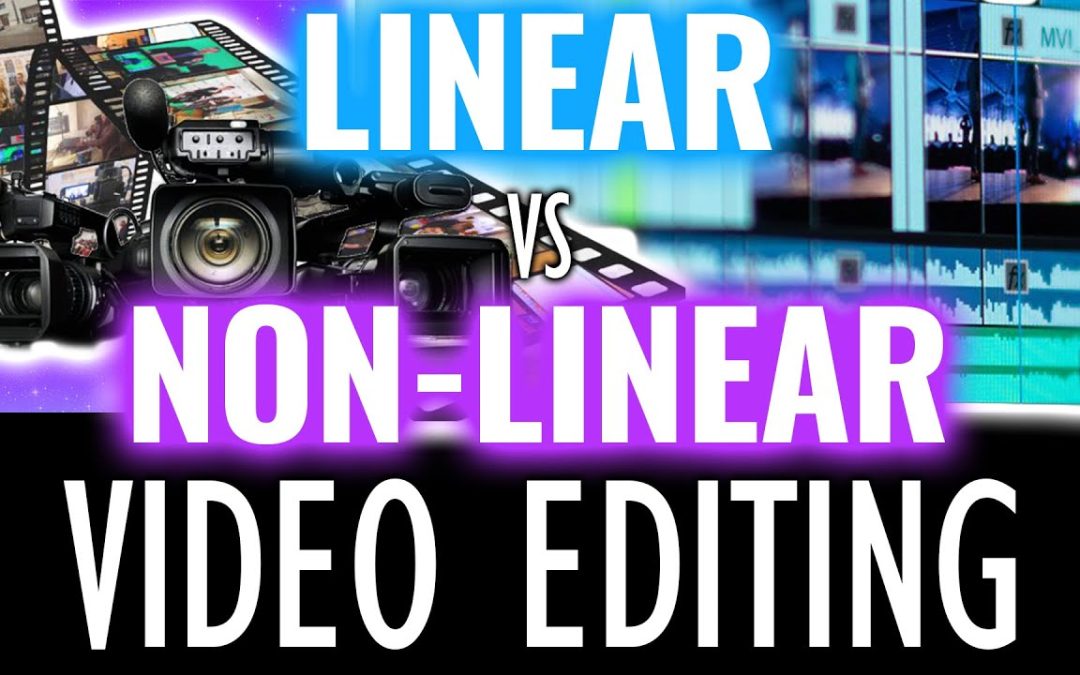
In the fast-evolving world of digital media, understanding nonlinear editing (NLE) is essential for anyone looking to enhance their storytelling through video. This powerful editing technique allows creators to access and manipulate footage in a non-sequential manner, offering unprecedented flexibility and efficiency. Whether you’re a budding filmmaker, a seasoned professional, or simply curious about the intricacies of video production, this guide will unravel the fundamentals of nonlinear editing and provide insights into its transformative impact on the creative process. Discover what you need to know about nonlinear editing explained and elevate your editing skills to new heights.
What is nonlinear editing and its benefits?
Nonlinear editing allows users to access any part of digital media instantly, offering flexibility, efficiency, and creative freedom in video and audio production.
What is nonlinear editing, and how does it differ from traditional editing methods?
Nonlinear editing (NLE) is a digital editing process that allows editors to access any frame of video or audio in a non-sequential manner. This flexibility enables creators to manipulate their content with ease, making adjustments, rearranging scenes, and experimenting with various edits without the constraints of traditional linear methods. NLE systems, which operate on computers, offer powerful tools for trimming, joining, and enhancing footage in real-time, providing a more efficient and creative workflow.
In contrast, traditional editing methods involve a linear approach, where footage is physically cut and spliced together in a predetermined order. This process can be time-consuming and limits the editor’s ability to experiment freely with different sequences. Once a scene is edited in a linear setup, changing its order or making adjustments often requires starting over, leading to potential loss of time and creativity.
The advantages of nonlinear editing extend beyond speed; they also enhance collaboration and accessibility. Editors can work on different segments of a project simultaneously, share timelines, and make adjustments from various devices. This democratization of the editing process allows for more innovative storytelling, as creators can easily visualize and implement their ideas without the constraints of traditional editing techniques.
What software is commonly used for nonlinear editing, and what features should I look for?
Nonlinear editing (NLE) software has become essential for video production, offering flexibility and efficiency in the editing process. Popular options like Adobe Premiere Pro, Final Cut Pro, and DaVinci Resolve provide robust tools for both amateurs and professionals. When selecting software, consider features such as multi-track editing, real-time playback, and a comprehensive range of effects and transitions. Integration with other software and hardware, along with support for various file formats, can also enhance your workflow.
In addition to fundamental editing functions, look for advanced features that elevate your projects, such as color grading tools, audio mixing capabilities, and motion graphics integration. Collaboration features, including cloud storage and version control, are increasingly important in team settings. Ultimately, the right NLE software will not only streamline your editing process but also empower your creative vision, making it easier to produce high-quality video content.
Mastering the Art of Seamless Storytelling
In an age where attention spans are fleeting, mastering the art of storytelling has never been more essential. The most captivating narratives draw readers in by weaving together relatable characters, compelling conflicts, and transformative journeys. By focusing on the emotional core of your story, you can create a connection that resonates with your audience, making them not just passive observers but active participants in the experience.
Building a seamless narrative requires careful attention to structure and pacing. A well-crafted story flows naturally, guiding the audience through its ups and downs without losing momentum. Techniques such as foreshadowing and parallel storylines can enhance the depth of your narrative, while succinct dialogue and vivid imagery ensure that every word serves a purpose. By striking the right balance between tension and release, you can keep your audience engaged from beginning to end.
Ultimately, the power of storytelling lies in its ability to inspire and evoke empathy. Whether you’re crafting a novel, a film, or a simple anecdote, your goal should be to transport your audience to another world. By honing your skills and embracing the nuances of character development, plot twists, and thematic depth, you can transform your storytelling into an art form that captivates and leaves a lasting impact.
Unraveling the Techniques Behind Nonlinear Workflows
In today’s dynamic work environment, nonlinear workflows have emerged as a vital strategy for enhancing productivity and creativity. Unlike traditional linear processes, which follow a step-by-step approach, nonlinear workflows embrace flexibility, allowing teams to pivot and adapt as projects evolve. This methodology encourages collaboration across disciplines, fostering innovative problem-solving and enabling teams to tackle complex challenges with agility. By breaking away from rigid structures, organizations can harness diverse perspectives and drive projects forward in unexpected yet effective ways.
To implement nonlinear workflows effectively, teams must prioritize communication and the use of collaborative tools that facilitate real-time feedback and brainstorming. Techniques such as iterative prototyping and cross-functional meetings empower team members to share insights and adjust their approaches based on collective input. This fluid exchange of ideas not only streamlines decision-making but also cultivates a culture of trust and shared ownership. As organizations continue to explore the potential of nonlinear workflows, they unlock new avenues for creativity and efficiency, ultimately leading to more successful outcomes.
Essential Tips for Efficient Video Editing
Efficient video editing can transform your raw footage into a polished masterpiece with ease. Start by organizing your files into clearly labeled folders, which streamlines the editing process and saves valuable time. Use keyboard shortcuts to enhance your workflow, allowing you to navigate your editing software seamlessly. Prioritize your edits by creating a rough cut to structure your narrative, making it easier to identify which scenes need refining. Lastly, don’t forget to regularly save your project and back up your work to prevent any loss of progress. By following these essential tips, you’ll elevate your editing efficiency and produce stunning videos that captivate your audience.
Navigating the Future of Digital Content Creation
As the landscape of digital content creation evolves, creators are increasingly equipped with innovative tools that enhance their storytelling capabilities. From AI-driven platforms that streamline the editing process to immersive technologies like virtual reality, the opportunities for engagement and creativity are expanding exponentially. This shift not only empowers individuals to express their unique voices, but also fosters collaboration across diverse mediums, enabling richer narratives that resonate with audiences in profound ways.
However, with these advancements come new challenges that demand adaptability and strategic thinking. Content creators must navigate an ever-changing digital ecosystem, balancing originality with the need for audience engagement and platform algorithms. As they embrace emerging technologies, the importance of authenticity and ethical considerations becomes paramount. By staying informed and agile, creators can not only thrive in this dynamic environment but also shape the future of digital storytelling in impactful ways.
Nonlinear editing has revolutionized the way creators approach video production, offering unparalleled flexibility and efficiency. By enabling users to manipulate footage in a non-sequential manner, this powerful tool allows for greater creativity and streamlined workflows. As technology continues to evolve, understanding the fundamentals of nonlinear editing will empower both novice and experienced editors to elevate their storytelling, ensuring that their visions come to life with precision and artistry. Embracing this innovative approach is essential for anyone looking to thrive in the dynamic world of digital media.
