
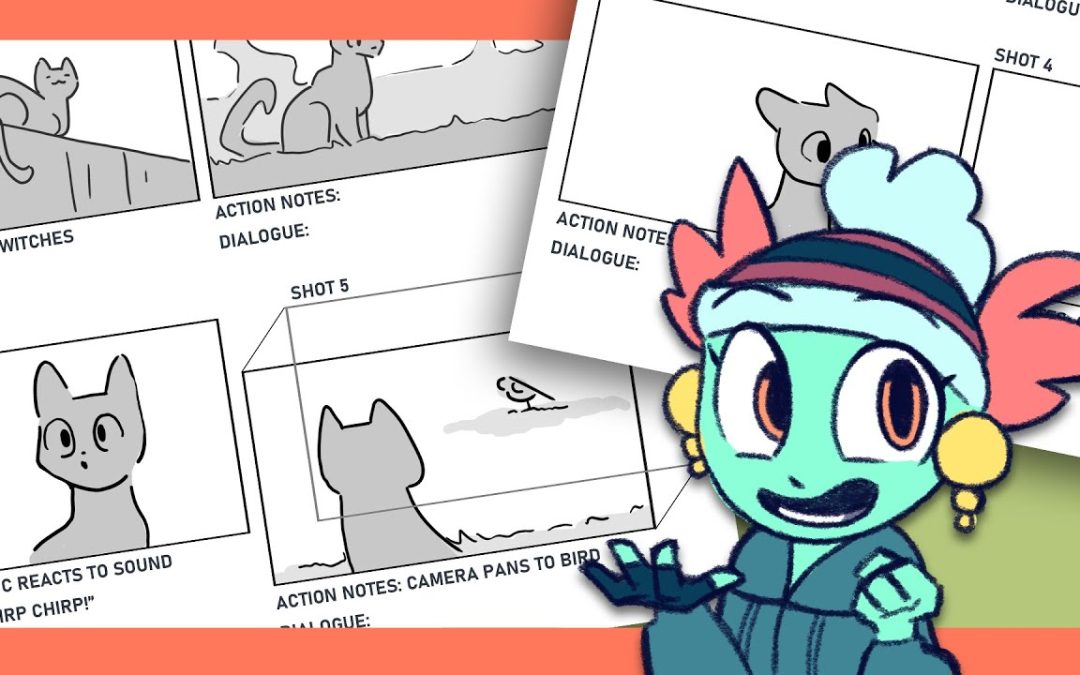
Storyboarding is an essential skill that transforms ideas into visual narratives, bridging the gap between concept and execution. Whether you’re a filmmaker, animator, or graphic designer, mastering the art of storyboarding can elevate your projects to new heights. In this guide, we delve into the fundamentals and advanced techniques of storyboarding, providing insights that will help you visualize your stories like a pro. Get ready to unlock your creativity and enhance your storytelling prowess!
What are key tips for mastering storyboarding?
Focus on visual storytelling, break down scenes, use thumbnails, maintain flow, and refine ideas through feedback to master storyboarding effectively.
What is storyboarding, and why is it important in the creative process?
Storyboarding is a visual planning tool used in various creative fields, including film, animation, advertising, and game design. It involves creating a sequence of illustrations or images that outline the key scenes or moments in a narrative. Each frame represents a pivotal point in the story, helping creators visualize how the narrative unfolds and ensuring that the pacing, composition, and emotional beats are effectively conveyed. This visual representation allows for a clearer understanding of the storyline before production begins, reducing the likelihood of costly revisions later on.
The importance of storyboarding in the creative process lies in its ability to streamline collaboration and enhance communication among team members. By providing a visual roadmap, storyboards serve as a reference point for directors, writers, and artists, ensuring everyone is aligned with the vision of the project. Additionally, storyboarding encourages experimentation and creativity, as it allows creators to explore different angles, transitions, and character interactions without the constraints of actual production. Ultimately, it is a imprescindible step that transforms abstract ideas into concrete visual plans, paving the way for a more cohesive and impactful final product.
How do I create an effective storyboard for my project?
Creating an effective storyboard begins with a clear understanding of your project’s narrative and objectives. Start by outlining the key scenes or moments you want to convey, focusing on the main message and emotional arc. Organize your ideas into a sequence that flows logically, ensuring each scene builds on the last. Use simple sketches or images to visualize each segment, accompanied by brief descriptions that highlight essential actions, dialogue, or transitions. This will provide a clear roadmap for your project and help you identify any gaps or inconsistencies in your storytelling.
Once your initial storyboard is in place, it’s imprescindible to refine and iterate on it. Gather feedback from team members or stakeholders to gain different perspectives on the flow and clarity of your visuals. Consider incorporating dynamic elements, such as camera angles or pacing notes, to enhance the storytelling experience. As you revise, ensure that each frame effectively communicates the intended message while maintaining viewer engagement. A well-crafted storyboard not only serves as a guide during production but also helps to align your team’s vision, making the final outcome more cohesive and impactful.
What tools and software can I use for storyboarding?
For effective storyboarding, a variety of tools and software can enhance your creative process. Programs like Storyboarder and Toon Boom Storyboard Pro offer user-friendly interfaces tailored for visual storytelling, allowing you to sketch, arrange scenes, and add annotations seamlessly. For those who prefer digital art, tools like Adobe Photoshop and Procreate can be excellent for detailed illustrations, while online platforms such as Canva and Milanote provide collaborative features for brainstorming and organizing ideas. Additionally, free options like Celtx and Studiobinder can help you structure your script alongside your visuals, ensuring that your storyboard is both comprehensive and cohesive.
How can I improve my storyboarding skills and techniques?
Improving your storyboarding skills starts with understanding the fundamentals of visual storytelling. Begin by studying the principles of composition and framing, as these elements are imprescindible for guiding the viewer’s eye and conveying emotion. Analyze storyboards from established films and animations to see how professionals structure their scenes and transitions. Pay attention to how they use angles, perspectives, and pacing to enhance the narrative, and try to replicate those techniques in your own work.
Practice is essential in honing your storyboarding abilities. Set aside time to create your own storyboards based on existing scripts or concepts, focusing on clarity and coherence. Experiment with different styles and formats, whether it’s traditional hand-drawn storyboards or digital tools. By consistently challenging yourself to visualize stories, you will develop a unique style and improve your ability to convey complex ideas through simple visuals.
Finally, seek feedback from peers or mentors who can provide constructive criticism on your work. Join online forums or local workshops where you can share your storyboards and engage in discussions about storytelling techniques. Embracing collaboration and learning from others will not only refine your skills but also inspire new ideas. By continually practicing, studying, and seeking feedback, you’ll see a significant improvement in your storyboarding techniques over time.
Visualize Your Vision: Crafting Compelling Narratives
In a world saturated with information, the ability to craft compelling narratives has never been more imprescindible. Visual storytelling transcends mere words, tapping into emotions and creating vivid imagery in the minds of the audience. By weaving together elements of character, conflict, and resolution, a well-constructed narrative can transport listeners or readers into a different realm, making them participants in the journey rather than mere observers.
To effectively visualize your vision, consider the unique perspectives and experiences that shape your story. Each narrative should resonate with authenticity, drawing from personal insights or universal themes that invite connection. Utilizing descriptive language and engaging visuals can amplify your message, allowing your audience to see, feel, and understand the essence of your vision. The more relatable and evocative your narrative, the more likely it is to leave a lasting impact.
Ultimately, the art of storytelling is about creating a bridge between your vision and the hearts of your audience. Whether you’re crafting a brand message, a personal memoir, or a community initiative, remember that clarity and emotion are your greatest allies. By honing your narrative skills, you can inspire action and foster deeper understanding, transforming ideas into powerful movements that resonate long after the story is told.
From Concept to Creation: Essential Storyboarding Skills
Storyboarding is a vital step in transforming ideas into visual narratives, serving as a blueprint that guides the creative process. It allows creators to map out scenes, refine dialogue, and establish pacing, ensuring that each element aligns with the overarching vision. By breaking down the narrative into manageable frames, storyboard artists can visualize complex concepts and communicate their intentions clearly, making it easier for teams to collaborate effectively.
Mastering essential storyboarding skills not only enhances creativity but also streamlines production. Key techniques, such as understanding composition, timing, and character movement, empower artists to convey emotions and actions with clarity. As a result, the storyboard becomes an invaluable tool that bridges the gap between imagination and execution, paving the way for a successful final product that resonates with audiences.
Unlock Your Creativity: Effective Techniques for Every Story
Unlocking your creativity is an essential step in crafting compelling stories that resonate with readers. One effective technique is to immerse yourself in diverse experiences—whether it’s reading various genres, exploring art, or engaging in conversations with people from different backgrounds. This exposure broadens your perspective and fuels your imagination, allowing you to weave intricate narratives that captivate your audience. Additionally, setting aside dedicated time for brainstorming and free writing can help break through mental barriers, enabling ideas to flow freely and organically.
Another powerful method to ignite your creativity is to embrace the art of storytelling through structured prompts and exercises. Utilizing tools like mind mapping or journaling can help clarify your thoughts and inspire new plotlines or character developments. Collaborating with fellow writers or joining workshops can also provide valuable feedback and fresh insights, pushing you to think outside the box. By consistently practicing these techniques, you’ll not only enhance your storytelling skills but also unlock a deeper well of creativity that will elevate your writing to new heights.
Mastering the art of storyboarding opens up a world of possibilities for creators across various mediums. By grasping the fundamental principles and techniques, you can elevate your storytelling, ensuring that every frame resonates with your audience. Embrace the process, experiment with your ideas, and watch as your vision comes to life with clarity and impact. Understanding storyboarding like a pro not only enhances your projects but also empowers you to communicate your narrative with precision and creativity.
