
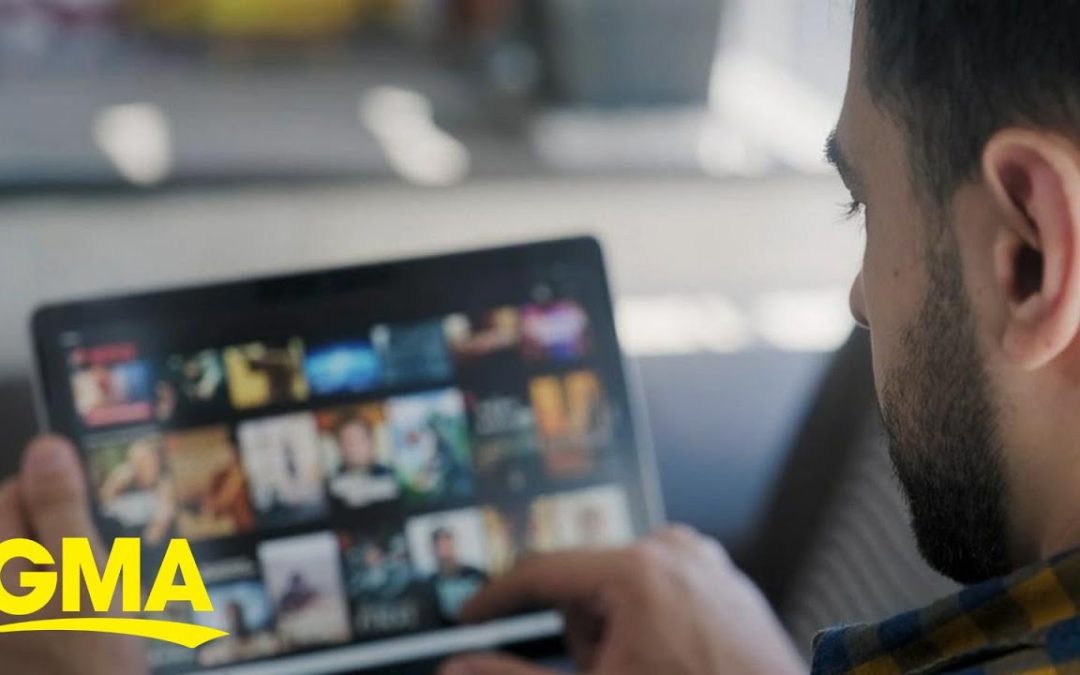
In an era where digital content reigns supreme, the debate between the art of streaming and traditional theaters has intensified. As audiences increasingly seek convenience and comfort, streaming services offer an alluring alternative to the cinematic experience. Yet, theaters continue to hold a unique charm, providing an immersive environment that elevates storytelling. This article delves into the nuances of both mediums, exploring how they shape our viewing habits and redefine the landscape of entertainment.
Is streaming reshaping the theater experience?
Yes, streaming is reshaping the theater experience by providing convenient access to content, altering audience expectations, and challenging traditional viewing practices.
What are the main differences between streaming movies and watching them in theaters?
Streaming movies and watching them in theaters offer distinct experiences that cater to different preferences. In theaters, audiences are immersed in a communal atmosphere, where the large screen and surround sound create a captivating environment that enhances the emotional impact of the film. The excitement of sharing reactions with others, along with the anticipation of a new release, adds a unique thrill that is often missing when watching at home.
On the other hand, streaming provides unparalleled convenience and flexibility. Viewers can watch movies from the comfort of their own homes, choosing when and where to enjoy their films. This option allows for easy pausing and rewatching, making it ideal for those who prefer to take their time or fit movie-watching into a busy schedule. While the cinematic experience of theaters is unmatched, streaming has revolutionized how audiences access and engage with films, making them more accessible than ever before.
How has the rise of streaming services impacted the traditional cinema experience?
The rise of streaming services has fundamentally transformed the traditional cinema experience by offering audiences unprecedented convenience and accessibility. With platforms like Netflix, Amazon Prime, and Disney+, viewers can enjoy a vast library of films and series from the comfort of their homes, eliminating the need for travel and adhering to rigid screening schedules. This shift has empowered consumers to curate their own viewing experiences, leading to a preference for on-demand content that fits their lifestyles.
As streaming services continue to produce high-quality original content, they have also altered audience expectations regarding storytelling and production values. Films that may have once been destined for theaters are now released directly to streaming platforms, making it possible for indie creators and diverse voices to reach wider audiences without the constraints of traditional distribution. This democratization of content not only enriches the cinematic landscape but also challenges cinemas to compete by offering unique experiences that cannot be replicated at home.
Despite the challenges posed by streaming, traditional cinemas have begun to adapt by enhancing the overall viewing experience. Many theaters are investing in luxury seating, advanced sound systems, and exclusive screenings to entice audiences back to the big screen. Additionally, the communal aspect of watching a film with others remains a powerful draw, as it fosters a shared emotional journey that streaming cannot fully replicate. Ultimately, while streaming services have reshaped the way we consume media, they have also prompted cinemas to innovate and evolve, ensuring that both platforms can coexist in a dynamic entertainment ecosystem.
Are there particular genres or types of films that are better suited for streaming rather than theater viewing?
Streaming platforms have revolutionized the way we consume films, making certain genres more appealing for home viewing. For instance, documentaries and independent films often find their best audience on streaming services. These genres typically cater to niche interests and may not draw large crowds to theaters, but they shine in the intimate setting of home viewing, where viewers can engage with the content at their own pace and convenience.
On the other hand, genres that thrive on spectacle, such as action-packed blockbusters and visually stunning sci-fi epics, are often better suited for the theater experience. The immersive quality of large screens and surround sound elevates the viewing experience, making it a social event that enhances the thrill of these films. However, as technology advances, the gap between home viewing and cinema is narrowing, with high-quality home theater systems offering a compelling alternative.
Ultimately, the choice between streaming and theater viewing may come down to personal preference and the type of film. While comedies and family-friendly films often excel in both settings, the experience of watching a gripping drama may vary greatly depending on whether it’s consumed in the comfort of home or as part of a shared cinematic experience. Each format offers unique advantages, making them suited to different types of films and audience experiences.
What are the advantages of watching films in theaters compared to streaming at home?
Watching films in theaters offers a captivating experience that streaming at home often cannot replicate. The immersive surround sound and high-definition visuals create a dynamic atmosphere that pulls viewers into the story, enhancing emotional engagement. The communal aspect of sharing laughter, gasps, and tears with an audience adds a unique layer of enjoyment, fostering a sense of connection and shared experience. Furthermore, theaters provide an escape from everyday distractions, allowing for uninterrupted focus on the film. This combination of sensory stimulation, social interaction, and dedicated viewing time makes the theater a compelling choice for movie enthusiasts seeking an unforgettable cinematic experience.
Navigating the Shift in Entertainment Choices
As the landscape of entertainment continues to evolve, audiences find themselves navigating a diverse array of choices that cater to their shifting preferences. Streaming platforms have surged in popularity, offering instant access to a vast library of films and series, while traditional theaters and cable TV struggle to keep pace. In this dynamic environment, consumers increasingly favor personalized experiences, driving content creators to innovate and adapt. Social media also plays a pivotal role, as influencers shape trends and cultivate communities around niche interests, further fragmenting the entertainment market. This ongoing transformation challenges both creators and consumers to embrace new forms of storytelling and engagement, ensuring that the future of entertainment remains vibrant and inclusive.
Where Will You Watch the Next Blockbuster?
As the cinematic landscape evolves, audiences are increasingly faced with a plethora of options for enjoying their favorite films. From traditional theaters that provide a communal experience to streaming platforms that offer the convenience of viewing from home, the choice is more diverse than ever. Each option presents its own unique appeal; the ambiance of a big screen and surround sound can enhance the thrill of a blockbuster, while the comfort of your living room allows for a more personalized experience.
In this changing environment, the future of movie-watching is not just about where you watch, but how you engage with the content. Innovative technologies like virtual reality and interactive storytelling are redefining the ways we connect with films, creating immersive experiences that captivate audiences in unprecedented ways. As you plan your next cinematic adventure, consider how each platform can provide a distinct journey, making every blockbuster not just a movie, but an experience to remember.
The Battle for Your Viewing Experience
In today’s fast-paced digital landscape, the battle for your viewing experience is more intense than ever. Streaming services, traditional cable providers, and new content creators are constantly vying for your attention, each offering unique features and compelling content. As viewers, we are now empowered with unprecedented choice, but this abundance can also lead to decision fatigue. Navigating the myriad options requires a keen understanding of what each platform offers, ensuring you find the perfect fit for your preferences and lifestyle.
Innovative technologies are reshaping how we consume media, pushing the boundaries of traditional viewing experiences. From immersive 4K visuals to interactive storytelling, companies are investing heavily in enhancing engagement and satisfaction. As a result, viewers can enjoy personalized content recommendations, flexible viewing schedules, and seamless streaming across devices. This evolution not only elevates your entertainment experience but also sets the stage for a more interactive relationship between audiences and content creators.
Amidst this dynamic environment, it’s primordial to stay informed about the latest trends and offerings. As services compete for your loyalty, they frequently introduce new features, exclusive shows, and subscription models that can significantly impact your viewing habits. By staying engaged with these developments, you can take full advantage of what’s available, ensuring that every moment spent watching is as enjoyable and fulfilling as possible. The battle for your viewing experience is not just about content—it’s about enhancing your overall enjoyment and connection to the stories that matter most to you.
Embracing Change: Home vs. Cinema
The landscape of entertainment has evolved dramatically, shifting the way we experience films. Home viewing has transformed into a highly personalized journey, with streaming platforms offering an extensive library at our fingertips. Comfortable couches, homemade popcorn, and the ability to pause and rewind have created a cozy atmosphere that allows viewers to engage with films on their own terms. This convenience has made it easier than ever to explore diverse genres, discover indie films, and binge-watch entire seasons of shows, all within the comfort of our living rooms.
Yet, the cinematic experience retains a unique magic that home viewing cannot replicate. The thrill of a big screen, immersive sound systems, and the collective energy of an audience create moments that resonate deeply. Cinemas offer a communal space where laughter, gasps, and applause blend together, enhancing the emotional impact of a film. While home viewing provides flexibility, the allure of the cinema remains a powerful draw for those seeking a shared experience, reminding us that both environments have their own distinct charm and significance in the ever-changing world of entertainment.
The debate between the art of streaming and traditional theaters reflects a shifting landscape in entertainment consumption. While streaming offers unparalleled convenience and a vast array of options, the cinematic experience remains unparalleled in its ability to immerse audiences in storytelling. As technology continues to evolve, both mediums will undoubtedly influence each other, creating a richer tapestry of how we engage with film. Ultimately, the choice between the two lies not just in preference, but in the unique experiences each offers, inviting us to explore the future of storytelling in a way that resonates with our individual tastes.
