
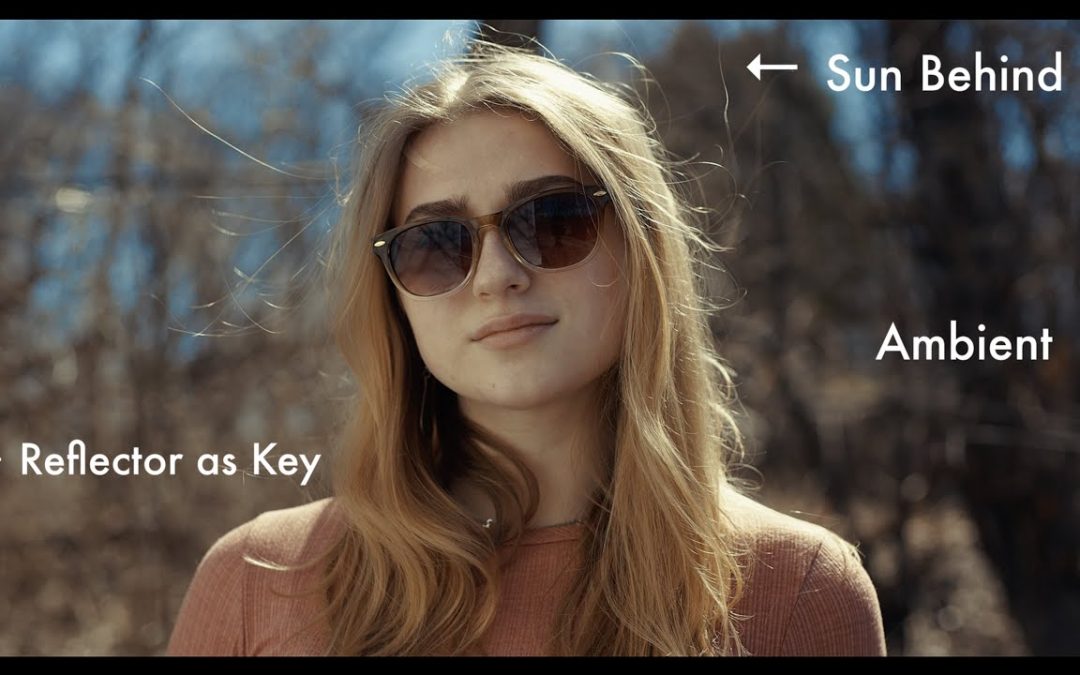
Capturing stunning photographs indoors can be a challenge, especially when relying on natural light. However, mastering the art of shooting in natural light within indoor settings can elevate your photography to new heights. This article delves into essential techniques and tips for harnessing available light effectively, transforming ordinary spaces into extraordinary visual narratives. Whether you’re a budding enthusiast or a seasoned pro, understanding how to work with natural light indoors will unlock a world of creative possibilities and enhance the beauty of your images.
How can I optimize indoor shooting with natural light?
To optimize indoor shooting with natural light, position your subject near windows, use reflectors to bounce light, and adjust exposure settings for the best results.
What are the best techniques for achieving well-exposed images when shooting indoors in natural light?
To achieve well-exposed images when shooting indoors with natural light, begin by positioning your subject near windows where abundant daylight can illuminate them effectively. Utilize reflectors or white surfaces to bounce light and fill in shadows, enhancing the overall exposure without harsh contrasts. Pay attention to the time of day; shooting during golden hour can provide soft, warm hues that flatter your subject. Additionally, experiment with your camera settings, adjusting the ISO and aperture to find the perfect balance that captures the available light without introducing noise. Lastly, consider using a tripod to stabilize your shots and allow for longer exposure times, ensuring crisp details even in lower light conditions.
How can I maximize natural light in indoor settings for photography?
To maximize natural light in indoor settings for photography, start by choosing the right time of day when sunlight is abundant, typically during the golden hours of early morning or late afternoon. Position your subject near windows or in well-lit areas, ensuring that the light is soft and diffused; using sheer curtains can help reduce harsh shadows. Reflective surfaces, such as white walls or light-colored furniture, can bounce light around the room, enhancing the overall brightness. Additionally, decluttering your space and opting for minimalistic backgrounds will draw attention to your subject while allowing the natural light to take center stage. Experimenting with angles and perspectives can further optimize the light, creating stunning, vibrant images that capture the essence of your indoor setting.
What settings should I use on my camera for indoor shooting in natural light?
When shooting indoors with natural light, it’s essential to maximize the available illumination while minimizing potential shadows and harsh contrasts. Start by setting your camera to a wide aperture, such as f/2.8 or f/4, to allow more light to enter the lens and create a pleasing depth of field. Adjust your ISO to a higher setting, like 800 or 1600, depending on the lighting conditions, to ensure your images are bright without introducing too much noise. Use a slower shutter speed if necessary, but be mindful of camera shake; a tripod can help stabilize your shots.
To further enhance your indoor photography, consider the position of your subject relative to the light source. Aim to have your subject facing the window or natural light source to avoid unflattering shadows. Experiment with different angles and compositions to capture the best light. Additionally, don’t hesitate to utilize reflectors or white surfaces to bounce light and soften shadows, creating a more even exposure. By carefully adjusting these settings and being mindful of your environment, you can achieve stunning indoor photographs that beautifully capture the natural ambiance.
Illuminate Your Interiors: Techniques for Stunning Indoor Photography
Capturing the essence of your indoor spaces requires an understanding of light and composition. Start by maximizing natural light; open curtains and position your subjects near windows to create a warm, inviting atmosphere. Experiment with different angles to find the most flattering perspectives, and use reflectors to bounce light into darker corners. Incorporating elements such as plants or textured fabrics can add depth and interest to your shots. Remember, the key to stunning indoor photography lies in balancing light and shadow, allowing your images to tell a story that resonates with viewers.
Capture the Perfect Glow: Harnessing Natural Light Indoors
Natural light has an unparalleled ability to transform indoor spaces, infusing them with warmth and vitality. By strategically positioning mirrors and reflective surfaces, you can amplify sunlight, creating an inviting atmosphere that enhances your home’s aesthetic. Consider using sheer curtains that allow soft light to filter through while maintaining privacy, ensuring that every room feels bright and welcoming.
Incorporating plants into your indoor environment not only brings a touch of nature indoors but also complements the natural light beautifully. Choose leafy greens and vibrant blooms that thrive in the light you have available, creating a harmonious balance that uplifts your living space. This combination of flora and sunlight works together to create an energizing ambiance that fosters well-being and creativity.
To maximize the benefits of natural light, be mindful of your color palette and furniture arrangement. Lighter walls and furnishings can reflect sunlight, making spaces feel larger and more airy. Opt for furniture that doesn’t obstruct light pathways, allowing beams of sunshine to flow freely throughout your home. With a few thoughtful adjustments, you can capture the perfect glow and enjoy a brighter, more inviting living environment.
From Dull to Dynamic: Transform Your Space with Light
Lighting can dramatically alter the atmosphere of any room, transforming a mundane space into a vibrant haven. By strategically placing a mix of ambient, task, and accent lighting, you can highlight architectural features, create a warm and inviting ambiance, or energize a workspace. The right combination not only enhances functionality but also reflects your personal style, making your environment feel uniquely yours.
Incorporating innovative lighting solutions such as smart bulbs or decorative fixtures can further elevate your space. These options allow for customizable brightness and color, enabling you to set the perfect mood for any occasion. Whether it’s a cozy dinner party or a lively gathering with friends, thoughtful lighting choices can breathe new life into your surroundings, turning every moment into a memorable experience.
Elevate Your Indoor Shots: Mastering Light for Beautiful Results
Lighting is the cornerstone of stunning indoor photography, transforming ordinary scenes into captivating images. To achieve this, start by harnessing natural light whenever possible. Position your subjects near windows or in well-lit areas, allowing the soft glow of daylight to enhance textures and colors. Experiment with different times of day; the golden hour can provide a warm, inviting ambiance, while overcast conditions offer a gentle, diffused light that minimizes harsh shadows.
When natural light isn’t available, or to complement it, consider using artificial sources strategically. Softbox lights or LED panels can mimic daylight, providing balanced illumination without overwhelming your subject. Remember to take advantage of reflectors to bounce light back onto your subject, filling in shadows and creating a more dynamic composition. By mastering these lighting techniques, you’ll elevate your indoor shots, capturing the beauty and intricacy of your subjects with clarity and depth.
Mastering the art of shooting indoors with natural light opens up a world of creativity and possibilities for photographers. By understanding how to harness and manipulate available light, you can create stunning images that capture the essence of your subjects and settings. Embrace the unique qualities of natural light, experiment with different angles and compositions, and watch as your indoor photography transforms into a captivating visual narrative.
