
Shooting in natural light offers photographers the opportunity to capture stunning images imbued with warmth and authenticity. However, mastering this technique requires an understanding of the interplay between light and subject. In this article, we will explore essential tips and strategies to help you approach shooting in natural light effectively, ensuring that your photographs not only stand out but also convey the true essence of your subjects. Whether you’re a beginner or a seasoned pro, these insights will elevate your outdoor photography game.
What are key tips for shooting in natural light?
Shoot during golden hours, use reflectors for fill light, avoid harsh midday sun, and adjust camera settings to capture the best exposure.
What are the best times of day to shoot in natural light for optimal results?
The best times of day to shoot in natural light are often referred to as the “golden hours,” which occur shortly after sunrise and just before sunset. During these periods, the sun is low in the sky, casting a warm, golden hue that enhances the beauty of any subject. The soft, diffused light reduces harsh shadows, making it ideal for portrait and landscape photography alike. This enchanting quality of light not only adds depth but also creates a magical atmosphere that can elevate the overall aesthetic of your images.
Midday shooting can be challenging due to the harsh overhead sunlight, which tends to create strong shadows and unflattering contrasts. However, if you must shoot during this time, consider seeking out shaded areas or using reflectors to soften the light. Alternatively, overcast days can provide a natural diffuser, resulting in soft, even lighting that is perfect for capturing details without the interference of stark shadows.
As the sun begins to dip below the horizon, the magic of twilight emerges, offering a unique opportunity for stunning photography. The soft blues and purples of the sky during this time can create striking backdrops, especially for urban or landscape shots. Additionally, incorporating artificial light sources can add a dramatic flair to your images, making the transition from day to night an exciting time for creative exploration. Embracing these optimal times will ensure that your photographs shine with the beauty of natural light.
How can I control exposure and avoid overexposed highlights when shooting in natural light?
To effectively control exposure and prevent overexposed highlights when shooting in natural light, start by using your camera’s histogram and highlight alert features. These tools provide real-time feedback on your exposure levels, allowing you to identify and adjust areas that may be too bright. Additionally, consider using exposure compensation to dial back the brightness, especially in high-contrast scenes. A good practice is to slightly underexpose your images, which can help retain detail in those bright highlights, ensuring a balanced and dynamic photograph.
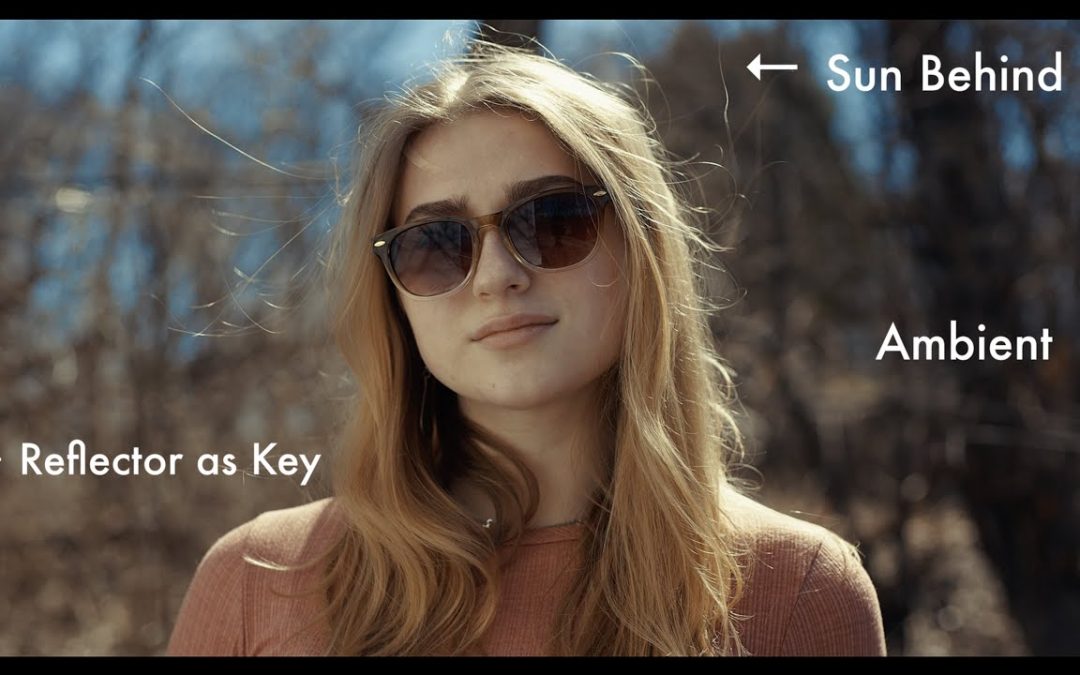
Incorporating the use of reflectors or diffusers can also enhance your shooting experience in natural light. A diffuser softens the light, reducing harsh highlights and shadows, while a reflector can bounce light into shadowed areas without increasing exposure in the highlights. Experiment with different angles and times of day to find the most flattering light for your subject. By combining these techniques, you can achieve stunning images that maintain detail and depth, avoiding the pitfalls of overexposure.
What techniques can I use to create interesting compositions in natural light photography?
To create captivating compositions in natural light photography, start by understanding the golden hours—early morning and late afternoon—when the light is soft and warm, enhancing textures and colors. Experiment with different angles and perspectives; shooting from low or high vantage points can provide unique insights into your subject. Incorporate leading lines, such as pathways or fences, to guide the viewer’s eye through the image, and consider the rule of thirds to balance your composition effectively. Don’t shy away from using shadows creatively; they can add depth and intrigue, transforming an ordinary scene into something extraordinary. Lastly, be mindful of your background; a clutter-free backdrop can help your subject stand out, ensuring the focus remains where you want it.
How do different weather conditions affect shooting in natural light and how should I adapt?
Shooting in natural light can yield stunning results, but varying weather conditions significantly impact the quality and mood of your images. On bright, sunny days, harsh shadows and high contrast may pose challenges, often requiring the use of reflectors or diffusers to soften the light. Conversely, overcast skies provide a natural, diffused light that enhances colors and minimizes shadows, making it ideal for portrait photography. Understanding these conditions allows you to tailor your approach for the best results.
Rainy weather can also present unique opportunities for captivating shots. The droplets enhance colors and create a reflective surface that adds depth to your images. However, it’s essential to protect your equipment and be prepared for changing conditions. Using a lens hood or rain cover can help maintain clarity while shooting, and adjusting your camera settings to a higher ISO may be necessary to account for reduced light levels. Embracing the rain can lead to unexpectedly beautiful outcomes.
Windy conditions can affect not just the stability of your camera but also the movement of subjects, particularly in nature photography. To adapt, consider using a tripod for stability and shooting at faster shutter speeds to freeze motion. Alternatively, capturing the dynamic elements of wind, such as swaying trees or flowing grass, can create a sense of movement and drama in your images. By recognizing and adapting to these varying weather conditions, you can enhance your shooting experience and achieve remarkable results.
Illuminate Your Images: Harnessing Nature’s Light
Natural light has an unparalleled ability to transform images, casting a warm glow that enhances colors and textures. By understanding the subtleties of sunlight, photographers can create stunning visuals that resonate with authenticity. Early mornings and late afternoons, often referred to as the “golden hours,” provide soft, diffused light that adds depth and dimension to any scene. Embracing these moments allows artists to capture the essence of their subjects, whether it’s a lush landscape or a candid portrait.
In addition to timing, the direction of light plays a vital role in image composition. Side lighting highlights contours, creating striking shadows that can add drama and intrigue. Meanwhile, backlighting can produce a beautiful halo effect, emphasizing the subject’s outline and infusing the scene with an ethereal quality. By learning to manipulate and appreciate these natural elements, photographers can illuminate their images in ways that not only showcase their creativity but also tell compelling stories that resonate with viewers.
From Shadows to Highlights: The Art of Natural Lighting
Natural lighting has the remarkable ability to transform spaces, creating mood and enhancing the beauty of everyday life. Whether it’s the soft glow of morning light filtering through a window or the warm hues of sunset casting long shadows, harnessing these natural elements can elevate any environment. Understanding how to work with natural light not only enhances aesthetics but also enriches the overall experience of a room, making it feel inviting and alive.
To effectively utilize natural lighting, one must consider the orientation of a space and the placement of windows. East-facing rooms bask in the gentle morning light, while west-facing areas are illuminated by the golden hour, creating dynamic atmospheres throughout the day. Strategically positioned mirrors and reflective surfaces can amplify this light, bouncing it around the room and making even the smallest spaces feel expansive and airy.
Embracing the art of natural lighting also involves a thoughtful approach to design and decor. Choosing lighter color palettes can enhance the effect of natural light, while sheer fabrics allow for a soft diffusion of sunlight. By blending these elements, one can create a harmonious balance that not only highlights the beauty of the space but also fosters a sense of tranquility and well-being. In this way, natural light becomes a vital ingredient in crafting inviting, vibrant environments.
Capture the Moment: Techniques for Stunning Outdoor Shots
When it comes to outdoor photography, the right technique can transform a simple scene into a breathtaking masterpiece. Start by paying attention to natural lighting; the golden hours just after sunrise and before sunset offer warm, flattering light that enhances colors and textures. Experiment with backlighting to create dramatic silhouettes, or use diffused light on overcast days for soft, even illumination. Adjusting your camera settings for the conditions can make all the difference, so don’t hesitate to play with ISO, aperture, and shutter speed to achieve the desired effect.
Composition is another key element in capturing the essence of outdoor scenes. Utilize the rule of thirds to create balanced and engaging images, placing your focal points along the grid lines or intersections. Leading lines, such as pathways or rivers, can guide the viewer’s eye through the photograph, while framing elements like trees or rocks can add depth and context. Don’t shy away from unique perspectives; sometimes, getting low to the ground or finding an elevated vantage point can provide a fresh take on familiar landscapes.
Finally, always be prepared to seize unexpected moments that can elevate your outdoor shots. Nature is unpredictable, and the perfect photograph often arises from spontaneous events, whether it’s a fleeting animal encounter or a sudden shift in weather. Keep your camera ready and your mind open to possibilities, and consider using burst mode to capture fast-moving subjects. By combining thoughtful technique, strong composition, and a readiness to embrace the unexpected, you can create stunning outdoor images that truly capture the moment.
The Photographer’s Guide to Natural Light Mastery
Harnessing the power of natural light can transform an ordinary photograph into a stunning visual narrative. By understanding the nuances of sunlight at different times of the day, photographers can create dynamic compositions that evoke emotion and depth. The golden hour, with its warm, soft glow, offers a magical quality perfect for portraits and landscapes alike, while overcast days provide a diffused light that enhances colors and details without harsh shadows. Mastering these elements allows photographers to not only capture breathtaking images but also to tell compelling stories through their lens, showcasing the beauty of the world in its most authentic form.
Mastering the art of shooting in natural light opens up a world of creative possibilities for photographers. By understanding the nuances of light at different times of day, being mindful of your surroundings, and experimenting with angles and settings, you can elevate your images to new heights. Embrace the unpredictability of nature, trust your instincts, and let the beauty of the natural world inspire your next photographic journey. With practice and patience, you’ll find that the perfect shot is often just a moment away.
