
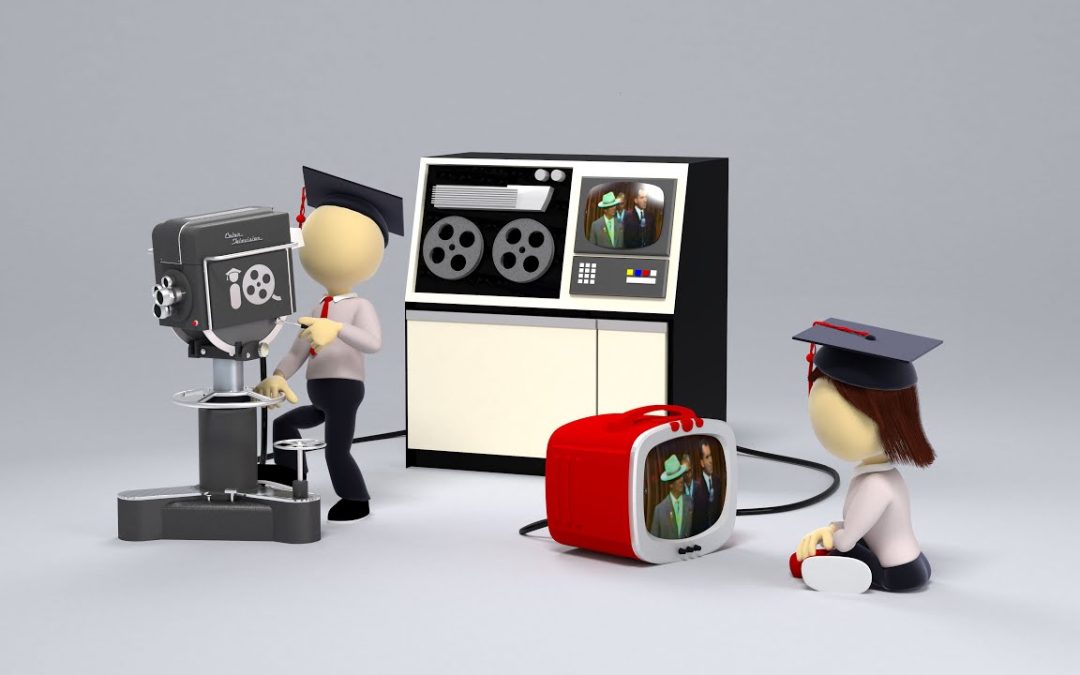
In the dynamic world of video production, nonlinear editing (NLE) has revolutionized the way filmmakers and content creators bring their visions to life. Unlike traditional linear editing methods, where footage is arranged sequentially, NLE allows for greater flexibility and creativity, enabling editors to manipulate video clips in any order and make real-time adjustments. This article delves into the intricacies of nonlinear editing, exploring its tools, techniques, and the transformative impact it has on storytelling in modern media. Join us as we uncover the mechanics behind nonlinear editing and how it empowers creators to craft compelling narratives with ease.
What is nonlinear editing and how does it work?
Nonlinear editing is a digital video editing method that allows access to any frame in a sequence without needing to edit in order, enabling flexible and efficient editing.
What is nonlinear editing and how does it differ from traditional editing methods?
Nonlinear editing (NLE) is a digital video editing method that allows editors to access any frame in a digital video clip regardless of the sequence in which it was recorded. This flexibility enables a more creative and efficient editing process, as editors can easily rearrange, trim, and manipulate footage without the constraints of a linear timeline. NLE systems utilize advanced software that supports a range of formats and resolutions, making it easier to incorporate visual effects, transitions, and audio adjustments seamlessly.
In contrast, traditional editing methods typically follow a linear approach, where editors work with physical film or tape in a sequential manner. This process can be time-consuming and limits the ability to make quick adjustments or experiment with different arrangements. Nonlinear editing revolutionizes the filmmaking landscape by streamlining workflows, fostering collaboration, and empowering creators to explore innovative storytelling techniques without the limitations imposed by traditional methods.
What are the key features and benefits of using nonlinear editing software?
Nonlinear editing software revolutionizes the way content creators approach video and audio editing. One of its key features is the ability to access any part of the media at any time, allowing for a more flexible and efficient workflow. Unlike traditional linear editing methods, which require a sequential approach, nonlinear systems enable users to manipulate clips and sequences freely. This means that editors can easily experiment with different arrangements, transitions, and effects without the constraints of a linear timeline.
Another significant benefit of nonlinear editing software is its robust tools for collaboration and sharing. Many platforms offer features that allow multiple users to work on the same project simultaneously, facilitating real-time feedback and streamlined communication. This collaborative environment not only enhances creativity but also accelerates the production process, making it easier for teams to meet tight deadlines. Additionally, the ability to export projects in various formats ensures that creators can deliver high-quality content tailored to their audience’s needs.
Moreover, nonlinear editing software often comes equipped with advanced features such as multi-camera editing, color correction, and audio mixing, which elevate the overall quality of the final product. These tools empower editors to achieve professional results without requiring extensive technical expertise. By simplifying complex tasks and providing intuitive interfaces, nonlinear editing software democratizes video production, enabling aspiring filmmakers and content creators to tell their stories with confidence and creativity.
How can beginners get started with nonlinear editing, and what tools or resources are recommended?
For beginners looking to dive into nonlinear editing (NLE), the first step is to familiarize themselves with the fundamental concepts of video editing. Understanding the workflow—from importing footage to exporting the final product—is essential. Many online tutorials and courses are available on platforms like YouTube, Skillshare, and Udemy, which provide step-by-step guidance on both the theory and practical skills needed for effective editing. Engaging with these resources can help demystify the process and build confidence.
Choosing the right editing software is determinante for a smooth start in nonlinear editing. Popular beginner-friendly options include Adobe Premiere Pro, Final Cut Pro, and DaVinci Resolve. Each of these platforms offers free trials or versions that allow beginners to explore their features without a financial commitment. Additionally, many of these programs have extensive online communities and forums where users can seek advice, share tips, and troubleshoot common issues, making the learning process collaborative and interactive.
Finally, practice is key to mastering nonlinear editing. Beginners should start with small projects, gradually increasing complexity as they become more comfortable with the tools and techniques. Creating short videos, such as personal vlogs or montage clips, can provide valuable hands-on experience. Furthermore, analyzing and deconstructing existing videos can offer insights into effective editing styles and techniques. By combining education, the right tools, and consistent practice, beginners can build a solid foundation in nonlinear editing, paving the way for more advanced projects in the future.
What are some common challenges faced when using nonlinear editing, and how can they be overcome?
Nonlinear editing (NLE) offers unparalleled flexibility and creative freedom, but it comes with its own set of challenges. One common issue is the steep learning curve associated with mastering complex software tools. New users often find themselves overwhelmed by the myriad of features and functionalities available. To overcome this, investing time in structured training—through online courses or tutorials—can significantly enhance proficiency. Additionally, creating a well-organized workflow, including consistent file naming and project management, can streamline the editing process and reduce confusion.
Another significant challenge is the demand for high-performance hardware, as NLE often requires substantial computing power to handle large files and multiple video streams. This can lead to frustrating lag times and crashes, hindering creativity. To mitigate these issues, editors should consider optimizing their systems by using solid-state drives (SSDs) for faster data access and upgrading RAM to accommodate more demanding projects. Regularly updating software and maintaining a clean system can further enhance performance, ensuring a smoother editing experience that allows creators to focus on their artistic vision rather than technical difficulties.
Unlocking the Secrets of Modern Editing Techniques
In the fast-evolving world of content creation, mastering modern editing techniques is essential for achieving polished and impactful results. From utilizing advanced software tools to incorporating AI-driven insights, editors today have a wealth of resources at their fingertips. Emphasizing clarity and engagement, these techniques focus on streamlining workflows, enhancing visual storytelling, and ensuring consistency across various platforms. By embracing these innovations, creators can not only refine their narratives but also captivate audiences in ways that resonate deeply, setting the stage for compelling communication in today’s digital landscape.
Mastering the Art of Digital Storytelling
In today’s fast-paced digital landscape, the ability to craft compelling narratives is more determinante than ever. Digital storytelling transcends traditional methods, blending visuals, audio, and interactive elements to engage audiences on multiple levels. By harnessing the power of technology, storytellers can create immersive experiences that resonate deeply, making their messages not just heard but felt.
To master digital storytelling, one must first understand the audience. This involves researching their preferences, behaviors, and emotional triggers. Tailoring content to meet the needs and interests of specific demographics enhances relatability and impact. Incorporating diverse formats—such as videos, podcasts, and infographics—ensures that stories can reach wider audiences while keeping them engaged and entertained.
Finally, the art of digital storytelling lies in the seamless integration of creativity and strategy. A well-structured narrative, supported by strong visuals and thoughtful pacing, can captivate and inspire action. By continually refining their approach and embracing new tools, storytellers can elevate their craft, transforming ordinary messages into extraordinary experiences that leave a lasting impression.
Transform Your Footage: A Step-by-Step Approach
Transforming your footage can elevate your storytelling and captivate your audience. The first step in this journey is to organize your clips effectively. Begin by reviewing all your raw footage, categorizing it based on themes, locations, or events. This foundational organization streamlines the editing process, allowing you to quickly access the clips that best serve your narrative and ensuring that no valuable content gets overlooked.
Once your footage is organized, it’s time to delve into the editing phase. Utilize editing software to trim and splice your clips, creating a cohesive flow. Pay attention to pacing and transitions, as they play a critical role in maintaining viewer engagement. Incorporate effects, color correction, and audio enhancements to add depth to your visuals. By focusing on these elements, you can transform ordinary footage into a polished piece that resonates with your audience.
Finally, don’t underestimate the power of feedback and revision. After crafting your initial edit, share it with peers or mentors to gather insights. Constructive criticism can highlight areas for improvement and inspire new ideas. Embrace this iterative process, as refining your work will ultimately lead to a more compelling final product. With dedication and attention to detail, your transformed footage will shine, leaving a lasting impression on viewers.
Understanding the intricacies of nonlinear editing unveils a world where creativity meets technology, empowering filmmakers and content creators to craft compelling narratives with unparalleled flexibility. As this editing method continues to evolve, it not only streamlines the production process but also opens up new avenues for storytelling. Embracing nonlinear editing is essential for anyone looking to elevate their visual projects and engage audiences in ways that resonate deeply and authentically.
