
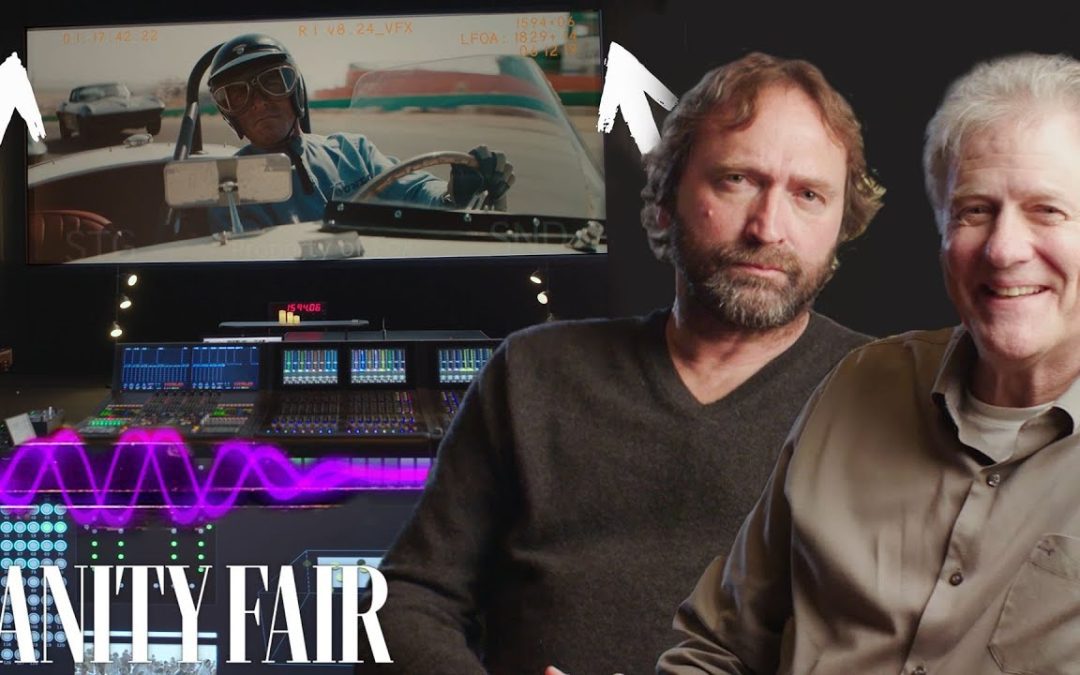
Behind the scenes of every great film lies a crítico yet often overlooked art: sound mixing. This intricate process not only enhances the emotional depth of a story but also immerses audiences in the cinematic experience. From balancing dialogue and sound effects to crafting the perfect musical score, sound mixing is the unsung hero that shapes how we perceive and feel about a film. In this article, we delve into the fascinating world of sound mixing for film, exploring the techniques and technologies that bring stories to life and the skilled professionals who masterfully orchestrate it all.
What techniques enhance sound mixing in film?
Techniques include equalization, compression, reverb, panning, layering, and careful balancing of dialogue, effects, and music to create a coherent and immersive audio experience.
What is the role of sound mixing in film production?
Sound mixing plays a crítico role in film production by blending various audio elements to create a cohesive auditory experience that enhances storytelling. It involves balancing dialogue, sound effects, and music to ensure that each component supports the narrative without overshadowing others. A well-executed sound mix can evoke emotions, build tension, and immerse the audience in the film’s world, making it an essential aspect of filmmaking.
Moreover, sound mixing contributes to the overall production quality, helping to establish the film’s tone and atmosphere. By carefully adjusting levels and applying effects, sound mixers can transform ordinary scenes into captivating moments that resonate with viewers. This meticulous process not only elevates the visual storytelling but also reinforces the themes and character arcs, ultimately leaving a lasting impact on the audience’s experience.
How does sound mixing enhance the storytelling in a movie?
Sound mixing plays a pivotal role in enhancing the storytelling of a movie by creating an immersive auditory experience that complements the visual narrative. By carefully balancing dialogue, sound effects, and music, sound mixers can evoke emotions and reinforce the mood of each scene. For instance, a sudden crescendo in the score can heighten tension during a climactic moment, while subtle ambient sounds can ground the viewer in a particular environment, making the storyline more relatable and engaging.
Moreover, sound mixing allows filmmakers to guide the audience’s attention and shape their perceptions of characters and events. Through techniques such as panning and layering, sound mixers can emphasize key elements, such as a character’s footsteps approaching or the distant sound of a storm, thereby enriching the plot and deepening the viewer’s connection to the story. This careful manipulation of sound not only enhances the overall cinematic experience but also serves as a powerful storytelling tool, making the narrative more dynamic and compelling.
What are the common techniques used in sound mixing for films?
Sound mixing in films is a critical process that enhances the auditory experience, making it as compelling as the visual narrative. One of the most common techniques employed is equalization, which adjusts the balance between frequency components. This allows sound designers to enhance dialogue clarity, balance music with sound effects, and create a rich soundscape that draws the audience into the film’s world. By tailoring the frequencies, mixers can ensure that each sound element occupies its own space in the audio spectrum, preventing them from clashing.
Another essential technique is dynamic range compression, which controls the volume levels of audio tracks. This process ensures that softer sounds are audible while preventing louder sounds from overwhelming the mix. By applying compression, sound mixers can maintain an engaging listening experience, allowing the audience to appreciate dialogue without straining and ensuring that impactful moments resonate. This technique is particularly important in action sequences or dramatic scenes where sudden shifts in volume can enhance emotional impact.
Lastly, panning is a vital tool that contributes to the spatial dimension of sound in film. By distributing sound across the stereo field, mixers create an immersive environment that draws viewers into the story. For instance, placing sounds to the left or right can replicate the directionality of sound in real life, making scenes feel more authentic. Together, these techniques—equalization, dynamic range compression, and panning—work harmoniously to craft a polished and engaging auditory experience that complements the film’s visuals and narrative.
Elevating Emotion Through Audio Mastery
In a world where emotions often go unspoken, the power of sound becomes a transformative force that can elevate our experiences. Mastering audio not only enhances the clarity of a message but also deepens the emotional resonance behind it. Every note, beat, and silence plays a crítico role in shaping our feelings, allowing listeners to connect with the narrative on a profound level. Through thoughtful composition and expert mixing, soundscapes can evoke nostalgia, joy, or even introspection, creating a rich tapestry that captivates the heart and mind.
This auditory journey goes beyond mere entertainment; it fosters a unique bond between the creator and the audience. By harnessing the nuances of audio engineering, artists and producers can craft immersive experiences that linger long after the final note fades. Whether it’s a film score that heightens tension or a soothing podcast that encourages reflection, the mastery of sound becomes an art form that invites listeners to explore their own emotions. In this realm, audio is not just an accessory but a vital component that elevates storytelling and enriches our shared human experience.
Crafting Atmosphere: The Power of Sound Design
Sound design is a crítico element in creating immersive experiences, whether in film, video games, or live performances. The auditory landscape shapes how audiences perceive and emotionally connect with a narrative. By carefully selecting and manipulating sounds, designers can evoke specific feelings, guiding viewers through the highs and lows of a story. From the subtle rustle of leaves in a quiet forest to the thunderous roar of an explosion, each sound serves as a tool to enhance the overall atmosphere.
Incorporating layered audio elements can transform a simple scene into a rich tapestry of sound that captivates the audience. The interplay between dialogue, sound effects, and music creates a dynamic environment that draws listeners in and keeps them engaged. For instance, the use of ambient sounds can establish a sense of place, while strategic silence can heighten tension or anticipation. This intricate balance of sound elements not only supports the visual narrative but also deepens the emotional impact of the experience.
Furthermore, innovative sound design techniques can elevate storytelling by introducing unexpected auditory cues that surprise and intrigue the audience. By experimenting with unconventional sounds or employing spatial audio technology, designers can craft a unique auditory journey that enhances the viewer’s connection to the narrative. As technology continues to evolve, the possibilities for sound design expand, promising even more compelling atmospheres that resonate with audiences on a profound level.
Balancing Elements: Techniques for Cinematic Clarity
Achieving cinematic clarity requires a delicate balance of visual and auditory elements that work in harmony to enhance storytelling. By thoughtfully considering the composition of each shot, filmmakers can create striking visuals that draw the audience’s attention while conveying deeper emotional layers. Techniques such as the rule of thirds, leading lines, and strategic use of negative space can help guide viewers’ eyes to the focal points, ensuring that essential details are never lost in the frame.
Sound design plays an equally crítico role in maintaining clarity within a film. By blending dialogue, sound effects, and music seamlessly, filmmakers can create an immersive experience that enhances the narrative without overwhelming the viewer. Utilizing techniques like layering sounds and manipulating audio levels allows for a rich auditory landscape that complements the visuals, reinforcing themes and emotions while guiding the audience through the story.
Moreover, color grading and lighting choices significantly impact a film’s clarity and mood. By selecting a cohesive color palette and employing lighting techniques that highlight key elements, filmmakers can evoke specific emotions and ensure clarity in storytelling. The interplay of light and shadow can create depth and focus, drawing attention to characters or pivotal moments, ultimately enriching the viewer’s experience and enhancing the film’s overall impact.
From Silence to Symphony: The Journey of Sound Mixing
Sound mixing is an intricate art that transforms raw audio into a harmonious experience. It begins with the careful selection of individual sound elements, each with its own unique character and purpose. Whether it’s dialogue, music, or sound effects, every layer is crítico in weaving together a cohesive narrative. The initial stages involve balancing the levels of these sounds, ensuring that no single element overwhelms the others, setting the foundation for a rich auditory landscape.
As the mixing process unfolds, the true magic happens through the application of effects and spatial placement. Techniques like reverb and equalization breathe life into the mix, adding depth and dimension to the sound. The mixer skillfully navigates the frequencies, sculpting the audio to create clarity and impact. This stage is where silence starts to fade, replaced by a vibrant tapestry of sound that captures the listener’s attention and evokes emotion.
The final stage of mixing culminates in a polished masterpiece, ready to resonate with audiences. This transformative journey from silence to symphony requires not just technical expertise, but also a deep understanding of storytelling through sound. By blending the elements thoughtfully, sound mixers elevate the experience, creating an engaging atmosphere that enhances the visual narrative. Ultimately, the journey of sound mixing is a delicate balance of creativity and precision, culminating in a powerful auditory experience that lingers long after the last note fades away.
The artistry of sound mixing in film is an essential yet often overlooked aspect of storytelling that shapes audience experiences. By blending dialogue, music, and sound effects, sound mixers create immersive worlds that enhance emotional impact and narrative depth. As filmmakers continue to push boundaries, the role of sound mixing will remain pivotal, inviting viewers to not just see but truly feel the story unfold. The next time you watch a film, pay close attention to the sound—it’s a powerful force that brings the entire cinematic experience to life.
